
Affiliate disclosure: some links on this page are affiliate links. If you book through them we may earn a small commission at no extra cost to you. Read our disclosure.
Banff in winter is three ski resorts on one lift ticket, a hot spring under falling snow and a mountain town that smells like woodsmoke and fondue. Here’s which resort fits you, where to stay and eat, what to do on the days off your skis, and what a ski week really costs from the US and Canada.
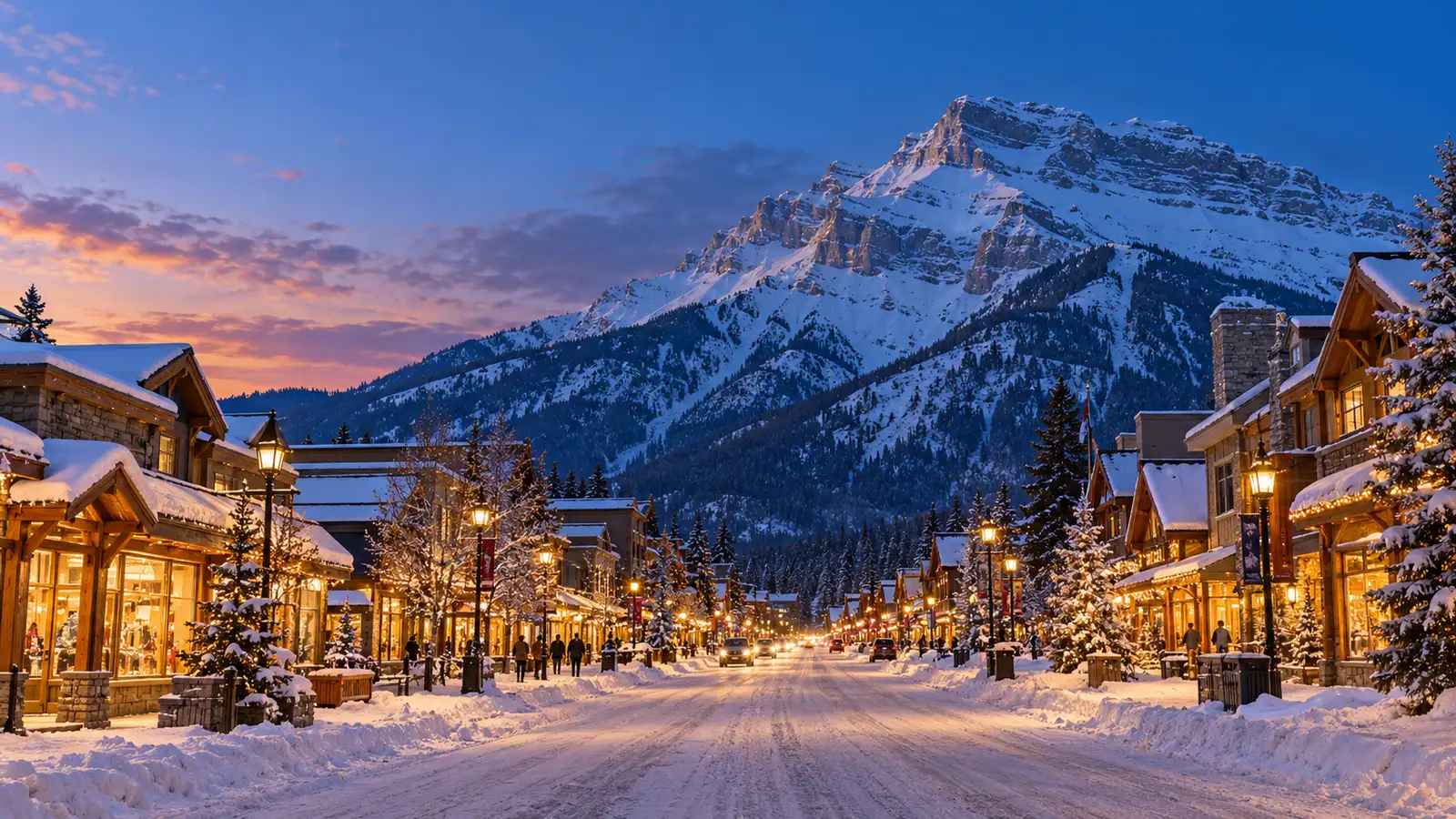
Banff, Alberta · Winter
Banff in winter: the powder, the hot springs and the fondue, priced honestly
Three ski resorts on one lift ticket, a hot spring under the stars and a town that smells like woodsmoke. Here’s how to do it, where to eat, and what a week really costs.
- 3 ski resorts, 1 ticket
- 90 min from Calgary
- Real costs for two
Quick answer · updated
Is Banff worth it in winter, and what does a ski week cost?
Yes. January is the best-value month: three ski resorts on one SkiBig3 ticket, frozen canyons, skating on Lake Louise and hot springs in the snow, after the Christmas rush. A 7-night ski week for two (4 ski days with rentals, a sweet-spot hotel in Banff town) is about US$6,420 all-in from Dallas, Houston, Chicago or Denver, US$6,680 from New York and US$6,230 from Los Angeles or Seattle.
- From the central US
- About US$5,090 (value hotel) to US$6,420 (sweet spot) for two; splurge about US$9,150
- From the US East Coast
- About US$5,350 to US$6,680 for two
- From the US West Coast
- About US$4,900 to US$6,230 for two
- From Canada
- About CA$8,730 from Toronto; driving in from Calgary or Edmonton about CA$6,890
- From Latin America
- Chile needs only an eTA. Mexico, Brazil, Argentina, Costa Rica and Panama need an eTA only with a valid US visa (or a Canadian visa in the last 10 years); otherwise, and for most other passports, a visitor visa
- Park pass
- CA$12.25 per adult per day or CA$83.50 for a year; under 18s free
- Winter 2027 dates
- SnowDays January 21 to February 7; Ice Magic at Lake Louise February 3 to 7 (tickets only through participating Lake Louise hotels and tours)
- Paperwork for Americans
- A passport book or NEXUS card to fly in. No eTA for US citizens
Totals include flights, bags, the hotel, the airport shuttle, lift tickets, rentals, meals, tips, the park pass, two other activities each, insurance and a 10% buffer. See your country’s details or price your own dates.
Banff in winter at a glance
- January weatherAbout −5°C (23°F) days and −15°C (5°F) nights. Chinook winds can warm it above freezing
- SnowAbout 38 cm (15 in) falls in town in January; far more up at the resorts
- Fly intoCalgary (YYC). Nonstop from Dallas takes about 4 hours
- Airport to BanffAbout 90 minutes by car. Shuttles from about CA$67 each way
- Ski resorts from BanffMt. Norquay 10 min · Banff Sunshine 20 min · Lake Louise 45 min, with free ski shuttles
- Lift ticketsAbout CA$140 to CA$170 a day at the window; less when you book multi-day tickets online 21+ days ahead
- Park passBanff National Park: CA$12.25 per adult per day, or CA$83.50 for a year (Discovery Pass). Under 18s are free
- A ski week for two (estimate)US$5,090 to US$9,150 from Dallas, by hotel level
Where are you coming from?
Banff in winter from the US, Canada and Latin America
Your airport changes the price, and your passport changes the paperwork. We’ve opened the tab for where we think you are. Tap another one any time.
Coming from the US? A Banff ski week for two, from your airport
| Coming from | Value hotel | Sweet spot | Per person |
|---|---|---|---|
| New York, Boston, Atlanta or MiamiEast Coast, often one stop | US$5,350 | US$6,680 | About US$3,340 each |
| Dallas, Houston, Chicago, Minneapolis or DenverCentral, nonstops to Calgary | US$5,090 | US$6,420 | About US$3,210 each |
| Los Angeles, Phoenix, Seattle or San FranciscoWest Coast | US$4,900 | US$6,230 | About US$3,120 each |
Value hotel, then sweet-spot hotel, for two people.
Worked out by the calculator on this page, checked November 2026. A splurge hotel brings the central-US week to about US$9,150.
- Flights: fly into Calgary (YYC), then 90 minutes to Banff. Dallas, Houston, Chicago, Denver and the big West Coast cities have nonstops; from the East Coast, many trips connect once.
- Passport book or NEXUS card. A passport card only works by land or sea. US citizens don’t need an eTA; US green card holders need their green card and passport, with no eTA.
- Health cover: Medicare doesn’t cover care in Canada, and many US plans treat a Banff or Calgary hospital as out of network. A ski injury is the classic claim. See US insurance options.
Craig’s sister Jenna came up in February with her husband Rob. They flew Seattle to Calgary, rented an SUV at the airport and stayed in Canmore to save on the hotel.
At the counter, the agent offered collision cover at about CA$40 a day. Rob nearly said yes. Jenna checked her card app first: the US card they’d booked with included primary rental-car cover, as long as they declined the counter’s and paid with that card. That was close to CA$300 saved over the week.
What they did pay for was winter tires. They’re the law on the Icefields Parkway from November 1 to April 1, and on the icy Trans-Canada past Lake Louise, Rob called them the best money of the trip. My note for you: ask for winter tires when you book the car, not at the counter, and check your card’s rental cover before you land.
- Driving: your US licence is fine. Ask your US car insurer for a Canadian proof-of-insurance card if you drive your own car. Speeds and fuel are metric: 100 km/h is about 62 mph.
- Park pass: CA$12.25 per adult a day, or CA$83.50 for a Discovery Pass, which beats daily passes on a 7+ day trip. Under 18s are free.
- Coming home: each traveller can usually bring back US$800 of goods duty-free. The free Mobile Passport Control app, or Global Entry, speeds up US customs; at Calgary you clear US preclearance before you board.
Coming from elsewhere in Canada? Your ski week for two, in Canadian dollars
| Coming from | Value hotel | Sweet spot | Per person |
|---|---|---|---|
| Toronto, Ottawa or MontréalEastern Canada, flying in | CA$6,940 | CA$8,730 | About CA$4,360 each |
| VancouverBC, flying in | CA$6,580 | CA$8,370 | About CA$4,190 each |
| Calgary or EdmontonDriving in, no flights | CA$5,100 | CA$6,890 | About CA$3,450 each |
Value hotel, then sweet-spot hotel, for two people.
Same calculator, converted at about CA$1.38 per US dollar. No card fees or roaming on a Canadian card and phone.
- Flights: Toronto to Calgary is about 4h 15m nonstop on WestJet, Air Canada or Porter. From Vancouver it’s about 1h 30m, or a long, mountain-pass drive in winter.
- ID: no passport needed for a domestic flight: government photo ID is enough. Bring it for the park pass and the ski rental counter too.
- Health cover: your provincial plan pays hospital and doctor bills in Alberta, but not ground ambulance or helicopter rescue, and Québec residents may be billed for doctor visits. See Canadian insurance options.
- Winter tires: required on the Icefields Parkway (November 1 to April 1) and on BC’s mountain highways (October 1 to April 30). Check 511 Alberta or DriveBC before you go.
Coming from Latin America? Check Canada’s entry rules first
Prices on this page are from US and Canadian airports, so use them as a guide. Canada’s rules depend on your passport and they change, so confirm on the official page below before you book.
- eTA only: Chile is visa-exempt: apply online for an eTA (CA$7, usually approved in minutes).
- eTA with a US visa: Mexico, Brazil, Argentina, Costa Rica and Panama can use an eTA only if you’re flying in and hold a valid US non-immigrant visa, or held a Canadian visa in the last 10 years. Otherwise you need a visitor visa.
- Visitor visa: most other Latin American passports, including Colombia, Peru, Ecuador and Venezuela, need a visitor visa with biometrics. Allow several weeks, more in winter.
- Getting there: WestJet flies nonstop to Calgary from Mexico City, and from São Paulo from December 2026. Connecting through the US? You need a US visa (or ESTA, if your passport qualifies) even just to change planes.
- Health cover: Canadian hospital bills are high for visitors, and national or prepaid plans almost never pay abroad. See insurance options.
Chapter 1 · The Invitation · Illustrative story, not a real trip
A letter to Texas
The Rockies in January don’t look real. They look like someone drew them with a ruler and then dumped a bag of flour over the whole thing. The air is so cold it squeaks. And at the bottom of it all, in a valley the size of a postcard, sits a little town with its windows lit up like a gingerbread house.
That’s what I tried to tell Craig.
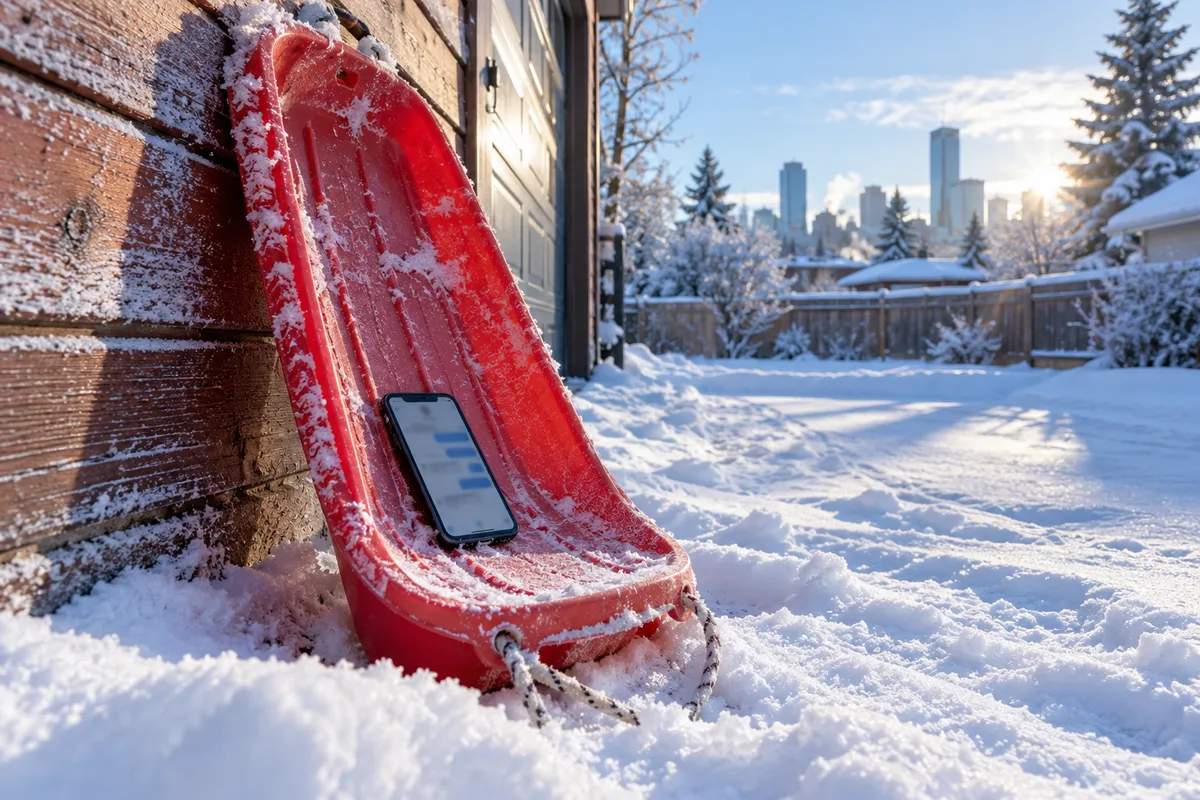
Craig and I grew up three doors apart in Edmonton. We wore out the same red plastic sled on the same hill behind the school. Then his dad got a job in Dallas, and Craig traded snow for 40-degree summers and a truck with air-conditioned seats.
Every winter he texts me the same question: “Is the snow in Banff really like powdered sugar?”
This year I stopped answering with “yes” and started answering with a plan. Flights, lift tickets, the bed, the beer. Every dollar.
But here’s the part I didn’t put in the first text. Skiing is only half the reason to come. The other half doesn’t need skis at all.
“I own one jacket, Noah. It’s a hoodie.”Craig
The Big 3: three ski resorts, one lift ticket
SkiBig3 tickets work at all three. Times are by car or free ski shuttle from Banff town, checked October 2026.
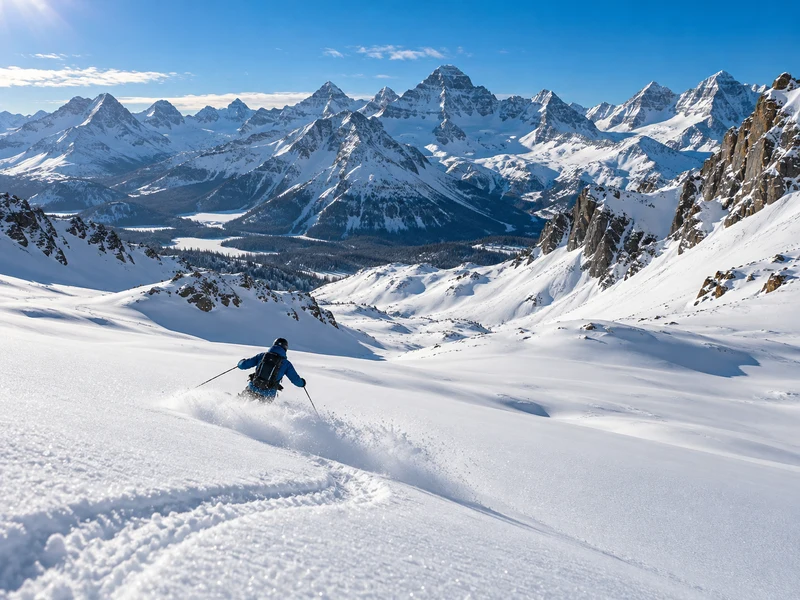
Banff Sunshine: the powder
3,358 acres high on the Continental Divide, with dry snow and one of the longest seasons in Canada, into late May. 20 minutes away.
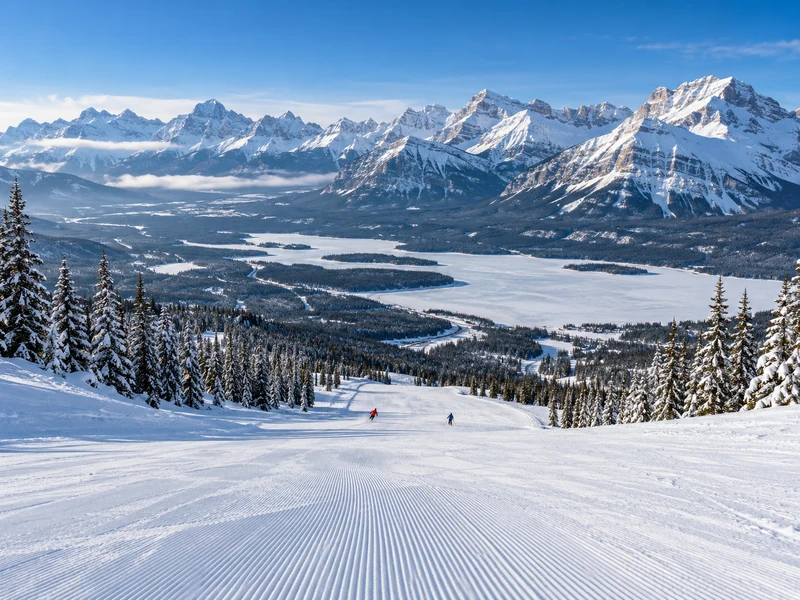
Lake Louise: the giant
4,200 acres and the biggest views of the three: wide groomers, bowls and long cruisers. 45 minutes away.
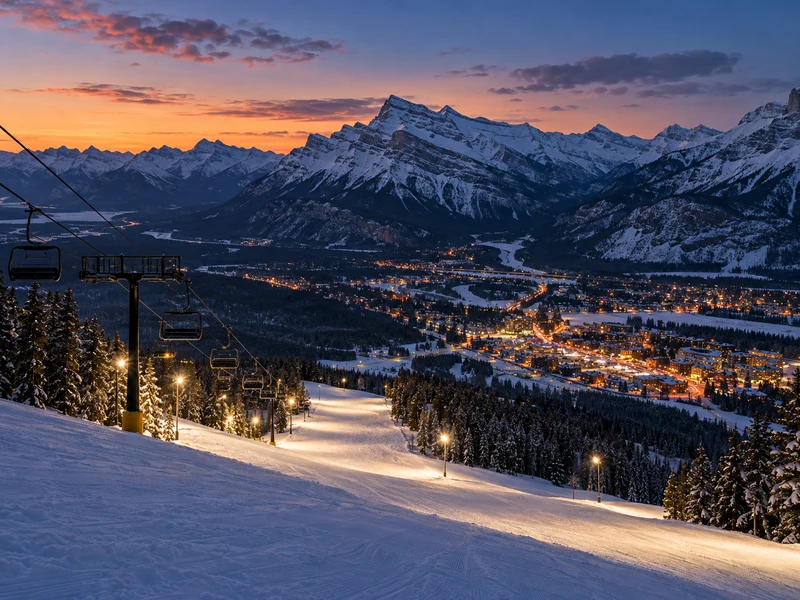
Mt. Norquay: the local hill
190 acres, 10 minutes from town, with night skiing on select evenings. Perfect for a half day or a first day back on skis.
Banff in winter, on the map
Tap a dot. Drive times are from Banff town unless noted, checked October 2026.
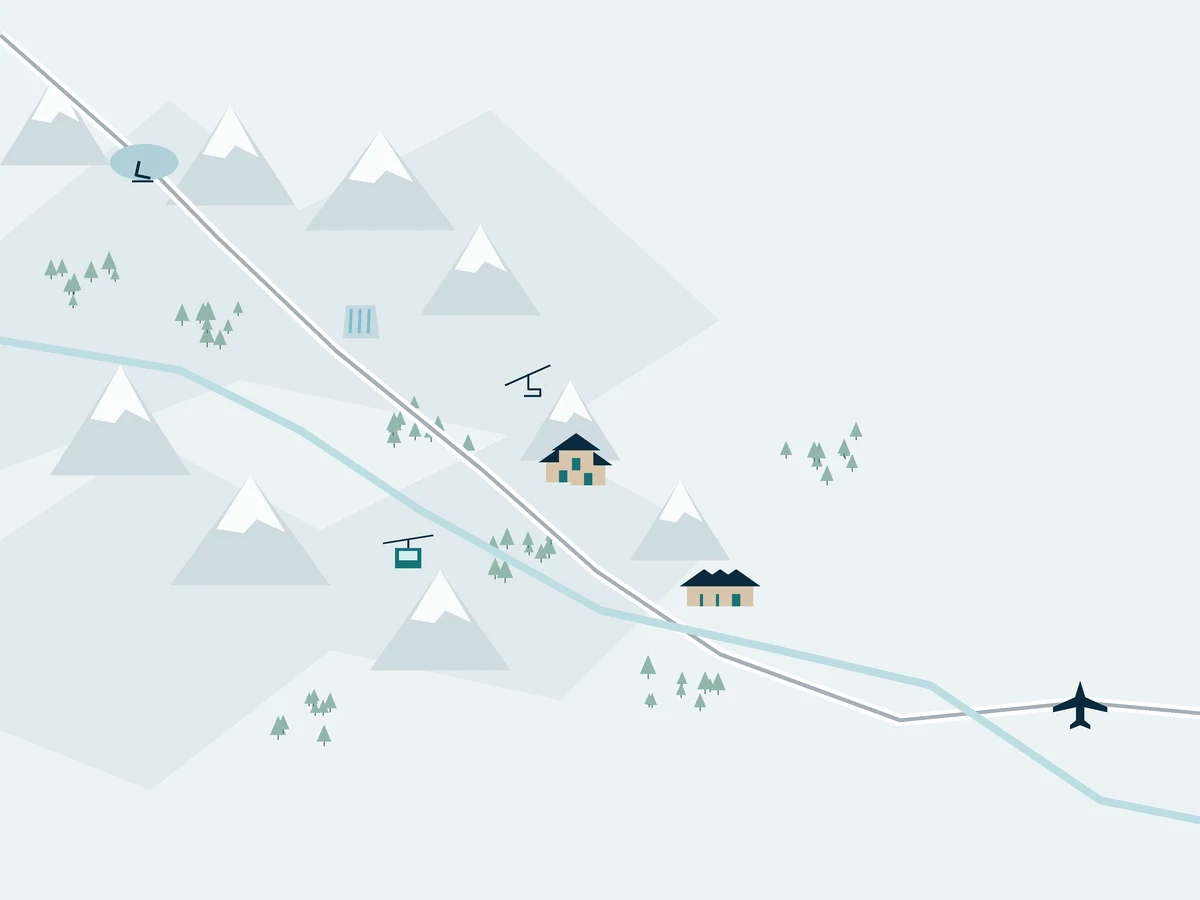
- 1. Banff townRestaurants, shops, the gondola and the hot springs, all within a few minutes of each other.
- 2. Mt. NorquayThe closest ski hill: 10 minutes. Night skiing on select evenings.
- 3. Banff Sunshine20 minutes to the base, then a gondola up to the high alpine village.
- 4. Johnston CanyonFrozen waterfalls on a canyon catwalk. About 30 minutes by road; guided ice walks include cleats.
- 5. Lake LouiseThe ski resort and the frozen lake, about 45 minutes from Banff. The lake has a skating rink in winter.
- 6. CanmoreA quieter mountain town 20 minutes east, with condos and lower hotel prices.
- 7. Calgary airport (YYC)About 90 minutes east of Banff on the Trans-Canada Highway.
Tap through a winter week (no skis needed)
Four things Noah wants Craig to do between ski days.
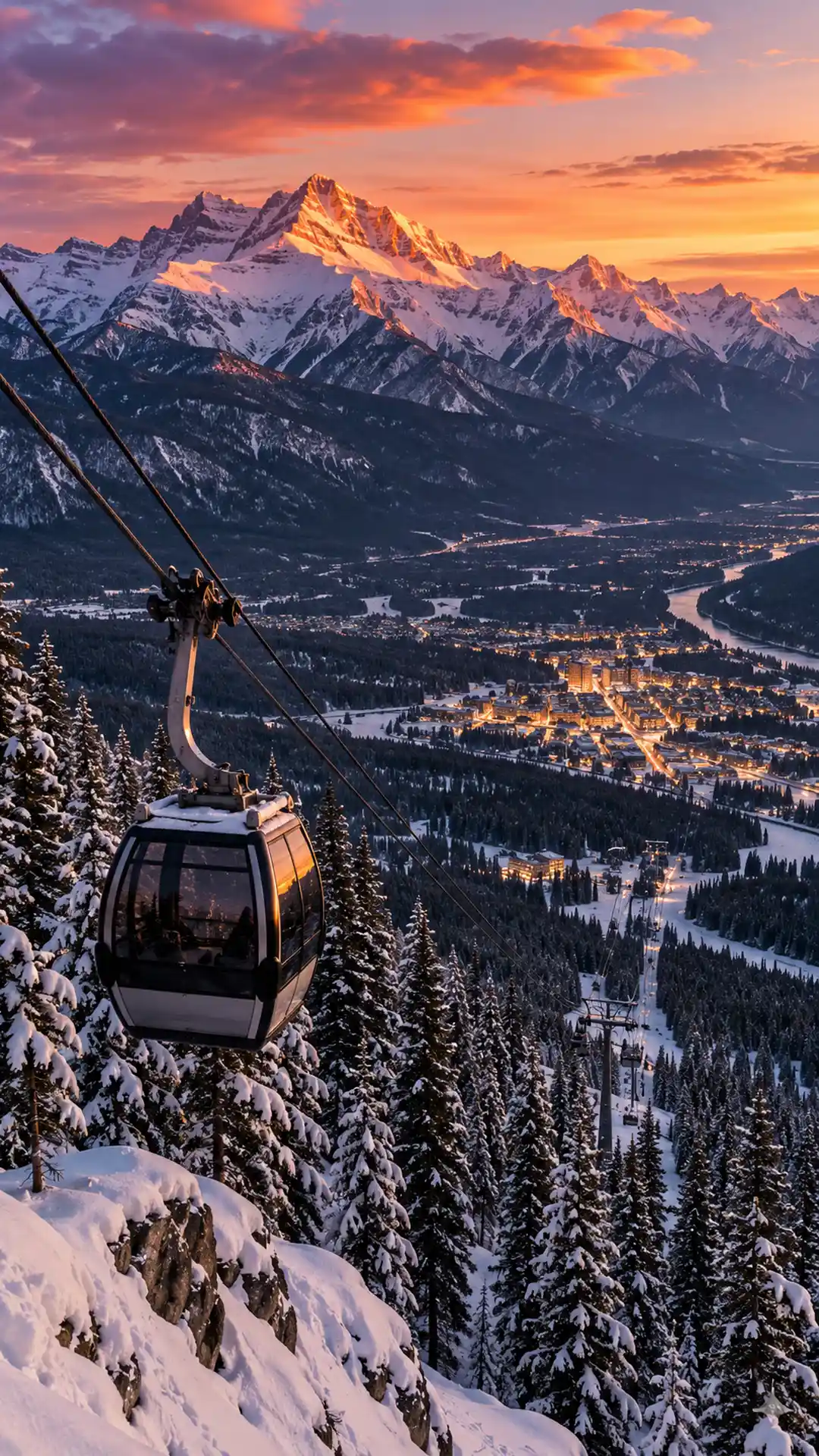
Banff Gondola at sunset
Eight minutes up Sulphur Mountain to a boardwalk above the clouds. About CA$70 to CA$80, cheaper booked online.
Compare gondola tickets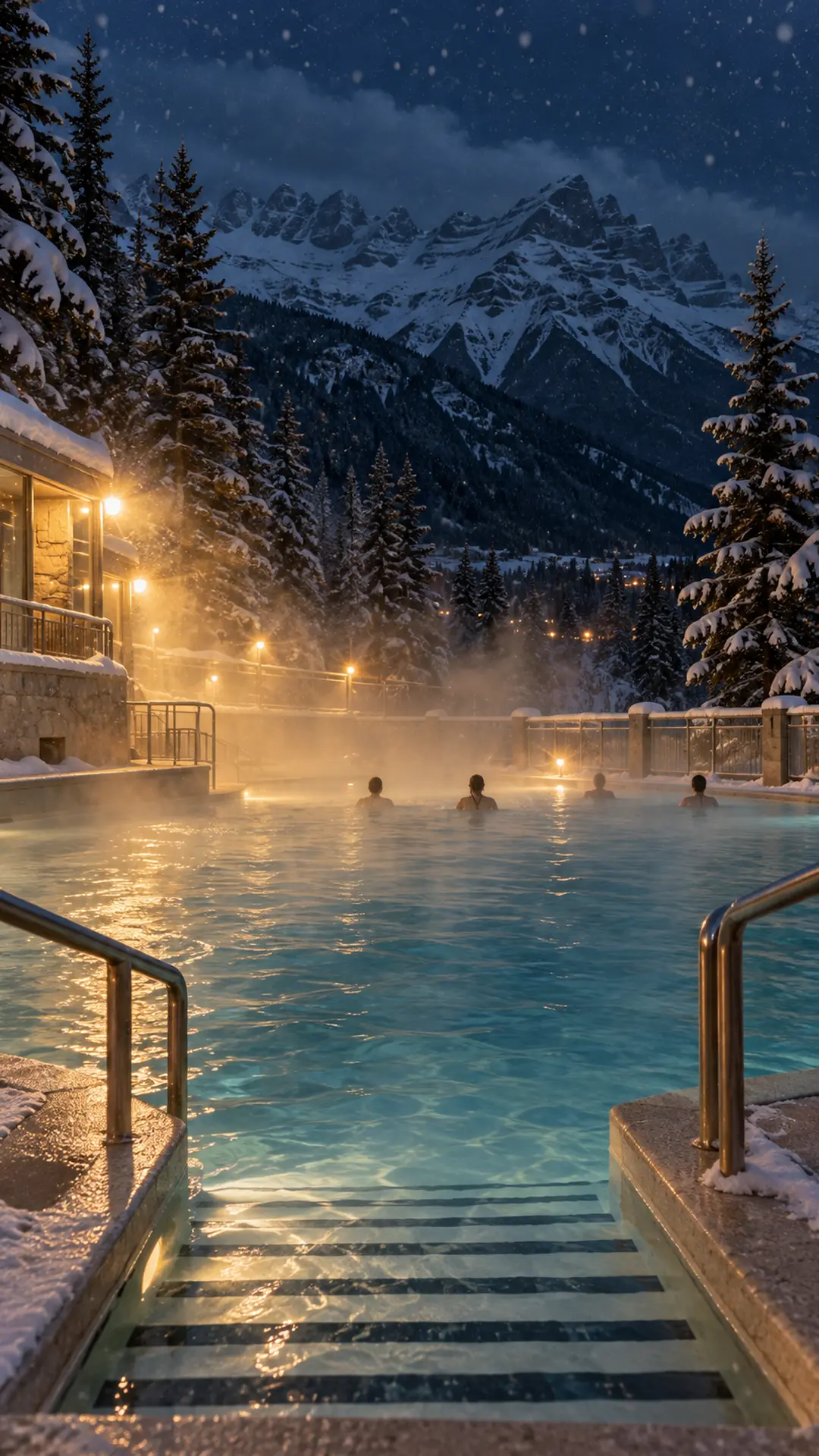
Hot springs in the snow
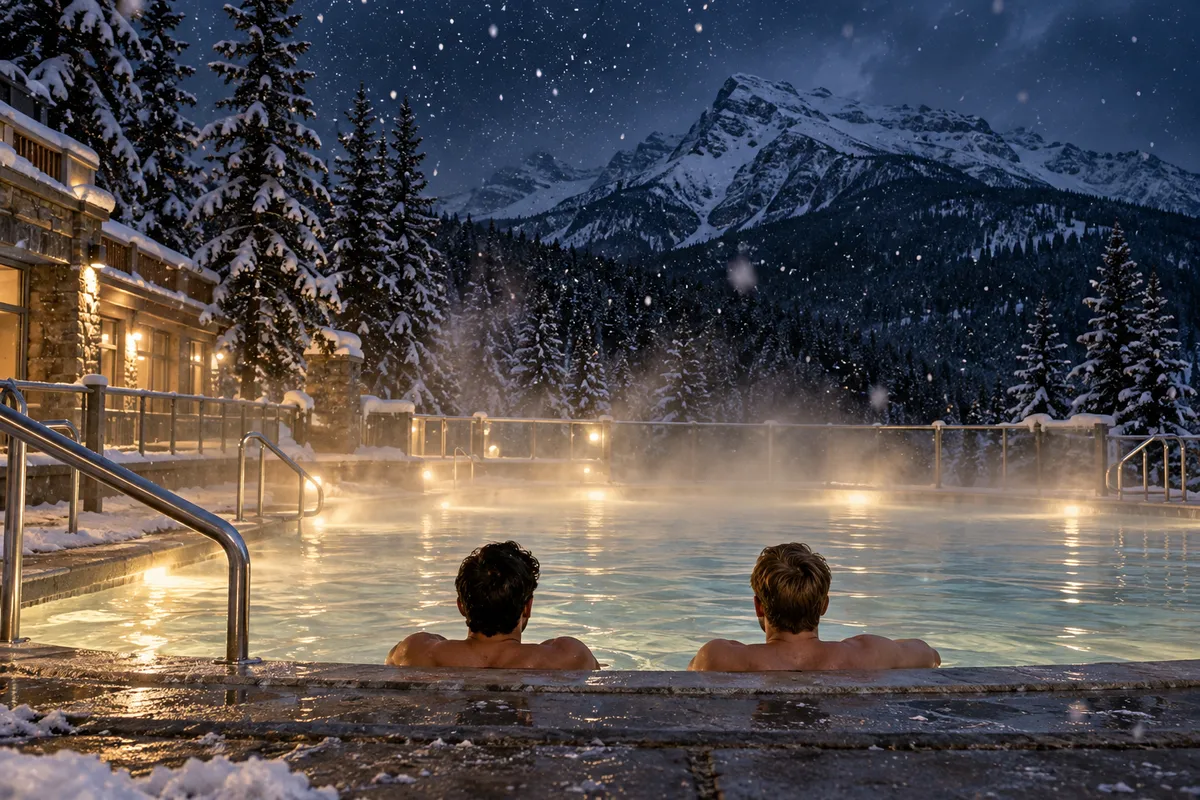
Banff Upper Hot Springs: CA$19.75, open 1 to 10 pm. Go after dark, when the snow falls into the steam.
See Banff tours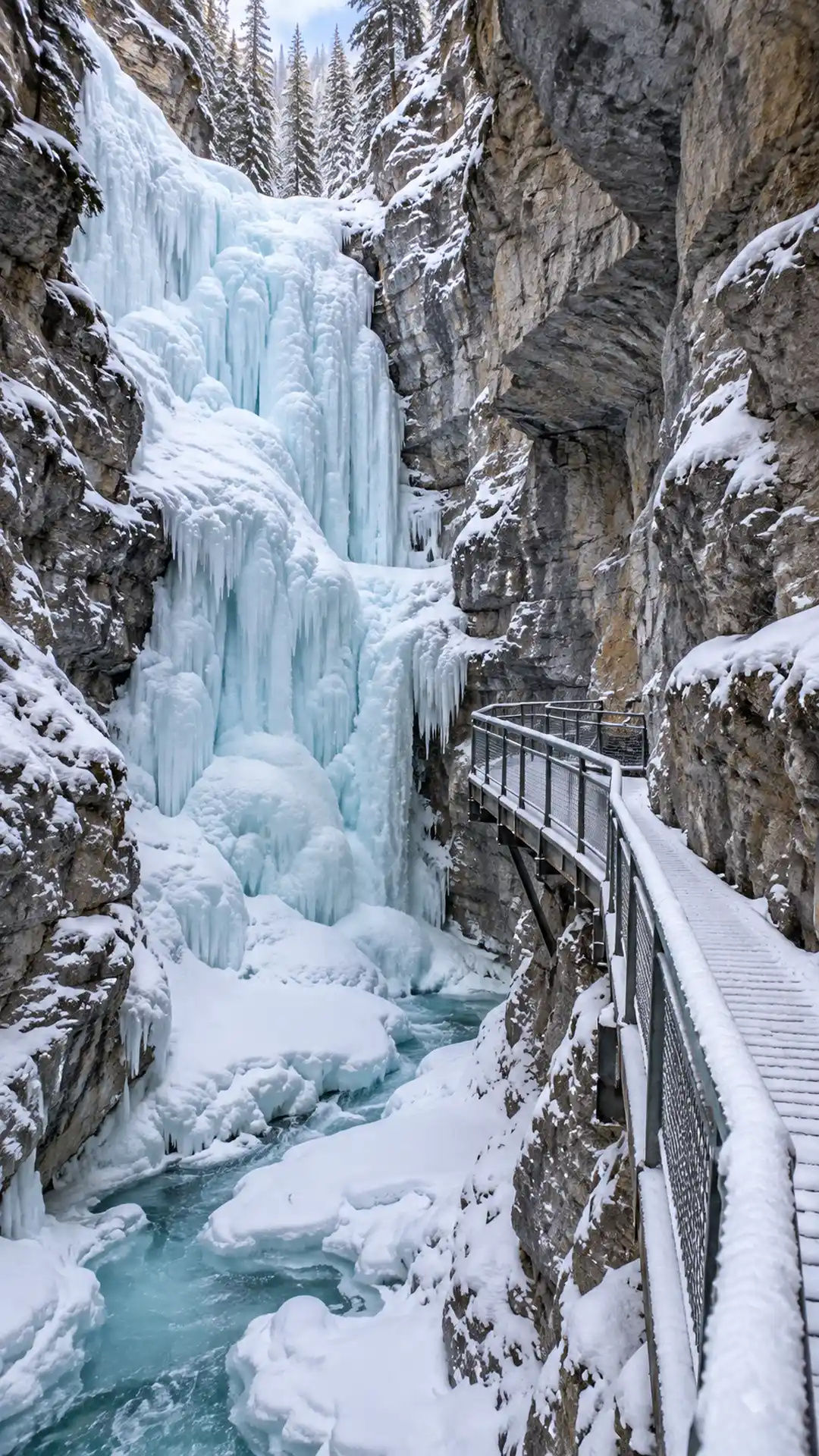
Johnston Canyon ice walk
A catwalk along a frozen canyon to waterfalls turned to blue ice. Guided tours lend you ice cleats.
Compare ice walks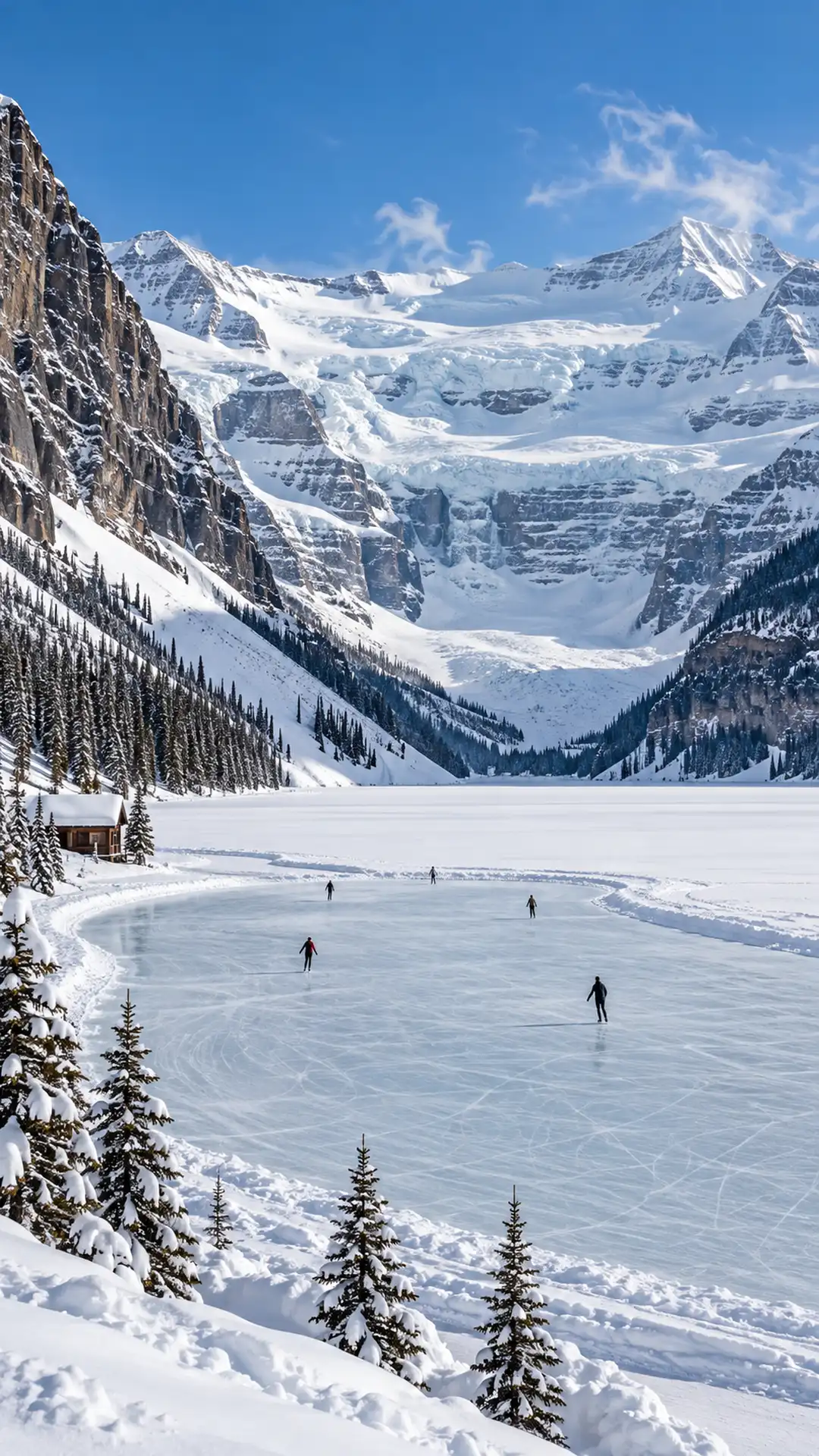
Skating on Lake Louise
A cleared rink on the frozen lake, under a glacier. Ice Magic ice sculptures run February 3 to 7, 2027, with tickets only through participating Lake Louise hotels and tours.
See Lake Louise toursWhere to stay: Banff, Lake Louise or Canmore?
Typical January prices for one room per night (estimates, checked October 2026). Christmas and spring break cost more.
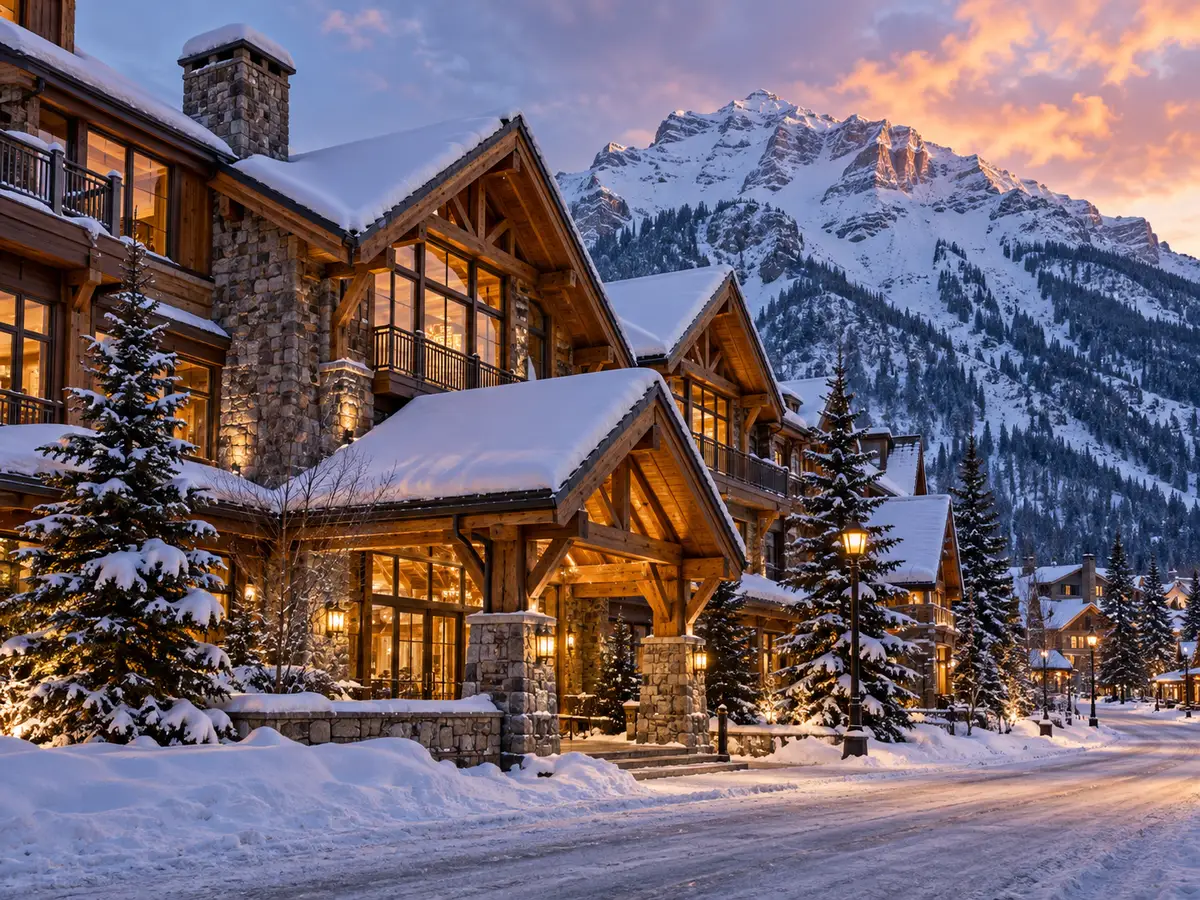
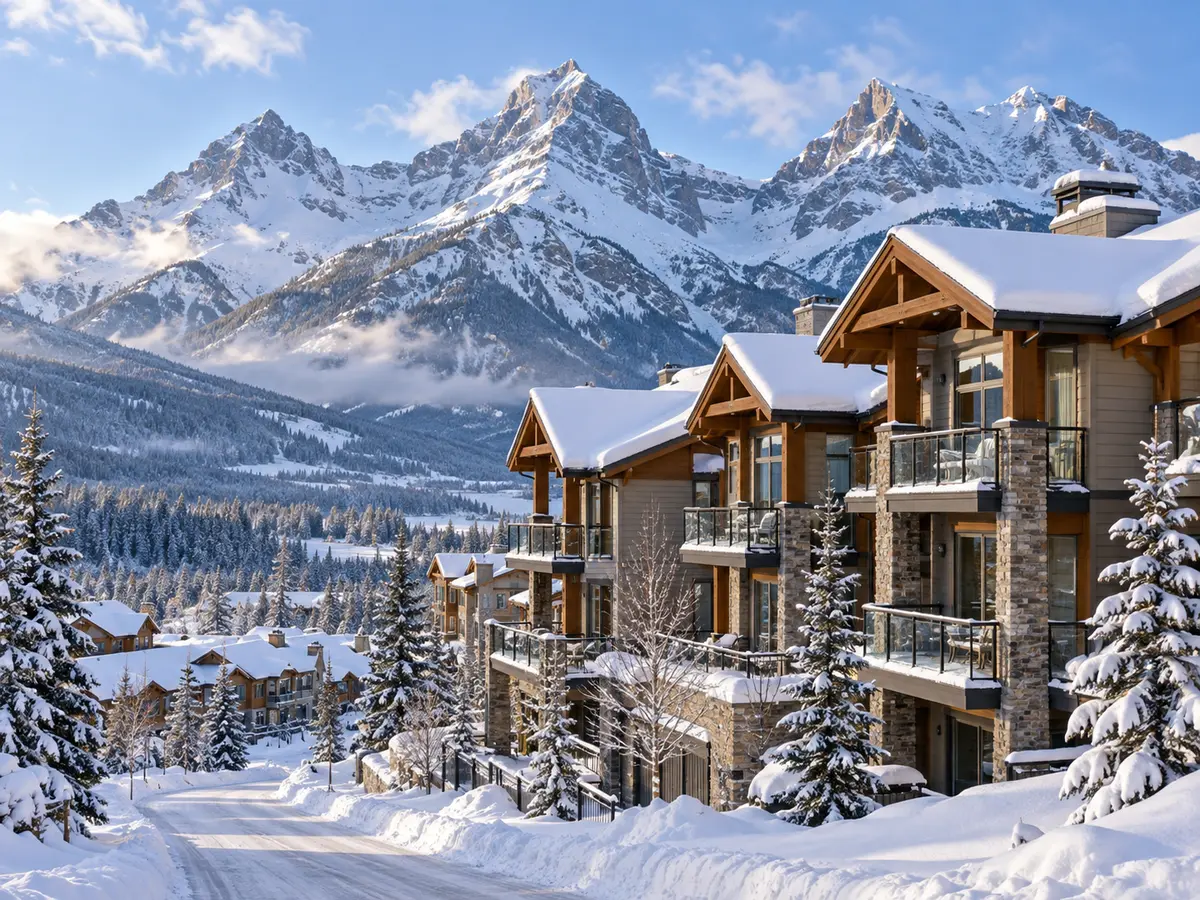
Banff town: for first-timers
Walk to restaurants, the hot springs and the free ski shuttles to all three resorts.
About US$130 (CA$180) for a simple room, US$230 (CA$320) for a great 3 to 4-star, US$450+ (CA$620+) for a castle-style splurge.
Best for: Craig, and anyone without a car.
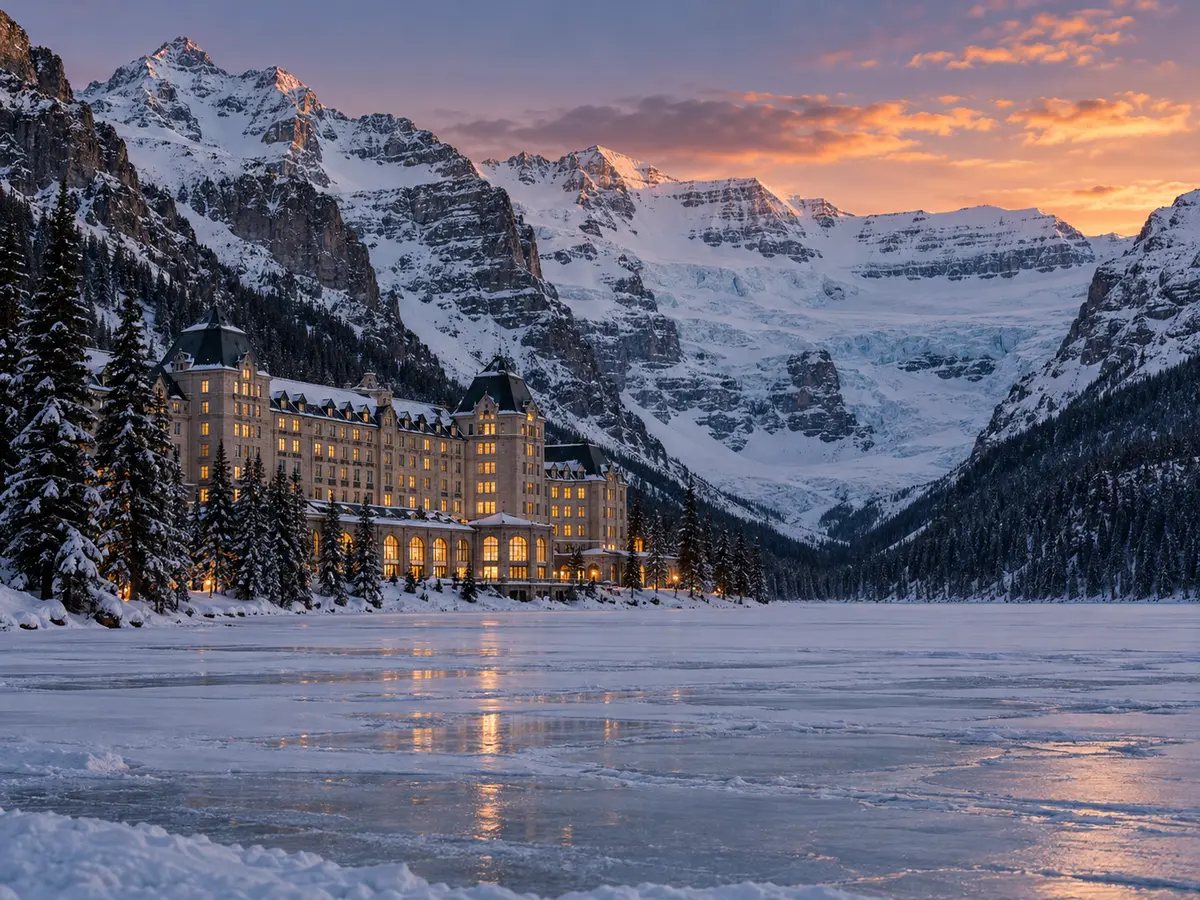
Lake Louise: for quiet and views
Steps from the frozen lake and 5 minutes from the Lake Louise ski resort.
Fewer restaurants, fewer rooms, and prices about 15% higher than Banff.
Best for: couples and skiers who mostly want Lake Louise.
Canmore: for value and kitchens
20 minutes from Banff, with condos and suites where you can cook breakfast.
Usually about 15% cheaper than Banff, but no direct ski shuttles: plan on a car.
Best for: groups and families who want space.
Sunshine vs Lake Louise vs Norquay
Read across each row. Facts from the resorts and SkiBig3, checked October 2026.
Swipe the table sideways to see all 3 →
| Best for powderBanff SunshineBig 3 ticket | Best for varietyLake LouiseBig 3 ticket | Best for a half dayMt. NorquayBig 3 ticket | |
|---|---|---|---|
| Skiable terrain | 3,358 acres | 4,200 acres | 190 acres |
| Vertical drop | 1,070 m (3,510 ft) | About 1,000 m (3,280 ft) | 503 m (1,650 ft) |
| From Banff town | 20 min | 45 min | 10 min |
| Usual season | November to late May | November to early May | November to early April |
| Best for | Dry snow, high alpine bowls, a long season | The most terrain, huge views, long cruisers | Short days, night skiing on select evenings, warming up |
| The catch | A gondola ride up before you ski; colder and windier up top | The longest ride from Banff; cold mornings | Small: one or two days is plenty |
| Book a stay nearby | Book a stay nearby | Book a stay nearby |
7 days in Banff in winter
Noah’s plan for Craig: four ski days, two days off the skis, and a lot of fondue.
Day 1Land in Calgary, drive into the mountains
About 90 minutes to Banff by shuttle or car. Buy your park pass, check in, walk Banff Avenue under the lights.
Day 2Warm-up day at Mt. Norquay
Ten minutes from town. Find your ski legs on short runs, and be back for a late lunch.
Day 3Banff Sunshine
The powder day. Free shuttle from town, gondola up, and dry snow above the trees.
Day 4No skis: canyon and hot springs
Morning ice walk in Johnston Canyon (tours lend cleats).
Evening soak at Banff Upper Hot Springs, CA$19.75, open until 10 pm.
Day 5Lake Louise ski resort
The biggest of the three. Start early: it’s 45 minutes from Banff.
On the way home, skate on the frozen lake.
Day 6Sunshine again, or your favourite
Go back to the resort you loved. Then the Banff Gondola at sunset and fondue for dinner.
Day 7Breakfast, then fly home
Leave Banff 4 hours before your flight in winter: the highway can slow down in snow.
Chapter 2 · The Day Without Skis · Illustrative story, not a real trip
The rule for Texans
Craig called me the night he booked. “Okay,” he said. “I bought a jacket. It’s very puffy. My wife says I look like a marshmallow.”
“Good,” I said. “Marshmallows survive.”
Then I told him about Day 4, the day without skis. We walk a frozen canyon in the morning, cleats biting into blue ice, waterfalls stopped mid-fall like someone hit pause. We eat lunch somewhere warm. And after dark, we sit in a hot spring while the snow comes down and melts before it touches the water.
“In the snow?” he said. “Outside?”
“Outside. In January.”
The line went quiet. I think that’s the moment Craig stopped being a guy who wants to ski Banff and became a guy who’s going.
There was just one thing left: the rule. Every Texan who comes to the Rockies needs to know it before they land.
“The mountains don’t care where you grew up. They just want you to show up.”Noah
Where to eat in Banff
Six places Noah has on Craig’s list, from fondue to a bakery breakfast. Price level runs from $ to $$$$; book dinners a few days ahead on weekends.
The Grizzly House ($$)
Retro fondue: cheese, chocolate and meats you cook at the table. About CA$40 to CA$70 per person. Pure fun.
The Bison ($$$)
Modern Canadian food made with Alberta ingredients, on Bear Street.
Sky Bistro ($$$$)
Dinner at the top of Sulphur Mountain. Your gondola ride is included with the meal. Book weeks ahead.
Park Distillery ($$)
Rotisserie chicken, burgers and cocktails made with their own spirits. Busy, loud, great.
Eddie Burger + Bar ($)
Burgers and loaded poutine, open late. The best budget dinner in town.
Wild Flour Bakery ($)
Sourdough, pastries and breakfast sandwiches from 7 am. Grab lunch for the ski hill.
What a ski week in Banff really costs
Noah’s plan for two adults, 7 nights in Banff town, a sweet-spot hotel, 4 ski days with rentals and 2 other activities each, in US dollars. A value hotel cuts about US$1,330; a splurge adds about US$2,730. Driving in from Calgary or Edmonton, the same week is about US$5,000.
| What | From Dallas | From Toronto |
|---|---|---|
| Return flightsEconomy, 2 adults, January | $780 | $860 |
| Checked bags1 bag each, both ways | $140 | $140 |
| Hotel, 7 nightsSweet-spot hotel in Banff town, 1 room | $1,610 | $1,610 |
| Airport shuttleCalgary airport to Banff, return, 2 people | $200 | $200 |
| Lift tickets4 days each, booked ahead | $840 | $840 |
| Ski rentals4 days each, rented in town | $360 | $360 |
| MealsAbout US$65 per person per day | $910 | $910 |
| Restaurant tipsAbout 18% | $164 | $164 |
| Park passDiscovery Pass for 2 adults (cheaper than 8 daily passes) | $121 | $121 |
| Other activitiese.g. the gondola + an ice walk | $220 | $220 |
| Phone dataRoaming or an eSIM for US phones | $50 | $0 |
| Card fees2.5% on non-Canadian cards | $112 | $0 |
| Travel insuranceAbout 6% of the trip | $330 | $325 |
| Just-in-case buffer10% | $584 | $575 |
| Total for two | US$6,421 (about CA$8,860) | US$6,325 (about CA$8,730) |
Estimates from our Trip Calculator, checked October 2026. Price your own dates below.
Price your own Banff ski trip
Pick your airport, your month, how many ski days and where you stay. The total updates as you choose.
Book the pieces
Ready for Banff? Book your ski week in this order
Lock in flights and the hotel first, while the price is still close to your estimate. Lift tickets are cheapest booked online 21+ days ahead. Each button opens a partner or official site, so you can compare and book there.
Step 1 · Flights
Flights to Calgary
Search every airline at once. Mid-January to early February is usually cheaper than Christmas and spring break.
Step 2 · Hotel
Banff, Lake Louise or Canmore
Banff town for the free ski shuttles and restaurants; Canmore to save. Look for free parking and a hot tub.
Step 3 · Lift tickets
SkiBig3 tickets
One ticket for Sunshine, Lake Louise and Norquay, with the free shuttles. Multi-day tickets online beat the window price.
Step 4 · Getting to Banff
Shuttle or rental car
No car needed in Banff town: pre-book the airport shuttle. Staying in Canmore? Rent a car and ask for winter tires.
Step 5 · Days off skis
Tours and activities
Johnston Canyon ice walk, a dog sled ride, the gondola at sunset or a Lake Louise trip. Free cancellation is common.
Step 6 · Phone data
Canada eSIM for US phones
US plans can charge daily roaming in Canada. Set an eSIM up at home and turn it on when you land in Calgary.
We may earn a commission if you book through partner links, at no extra cost to you. Prices and availability are set by each partner. SkiBig3 is the resorts’ own site, not an affiliate link.
From Texas to −15°C
What to pack (and what to skip)
You can rent skis, boots and helmets in town. Warmth is the part you have to bring.
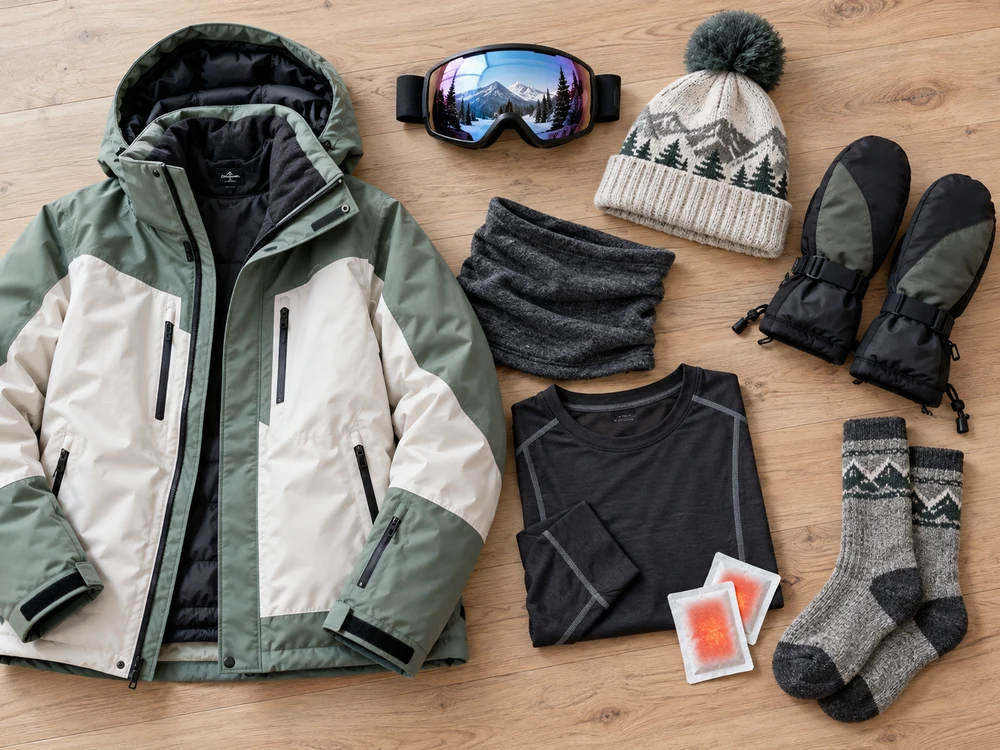
- Pack: thermal base layers (wool or synthetic, never cotton)
- Pack: a warm mid layer and a windproof, waterproof ski jacket and pants
- Pack: mitts, a neck warmer, a toque (a warm hat), wool socks and hand warmers
- Pack: boots with grip for icy sidewalks, or slip-on ice cleats
- Skip: bringing your own skis if you only ski once a year. Renting in town is easier
- Skip: a rental car if you stay in Banff town. Free ski shuttles reach all three resorts
- Save: buy lift tickets online at least 21 days ahead
Essential gear
What to pack for a Banff winter (from Texas to −15°C)
Noah’s packing list for Craig: what keeps you warm on the lifts, safe on icy sidewalks, and comfortable on the days off your skis. You can rent skis, boots and helmets in town. Warmth is the part you bring.
Must-haves 8 items
Swipe to see all 8 →
The layering rule
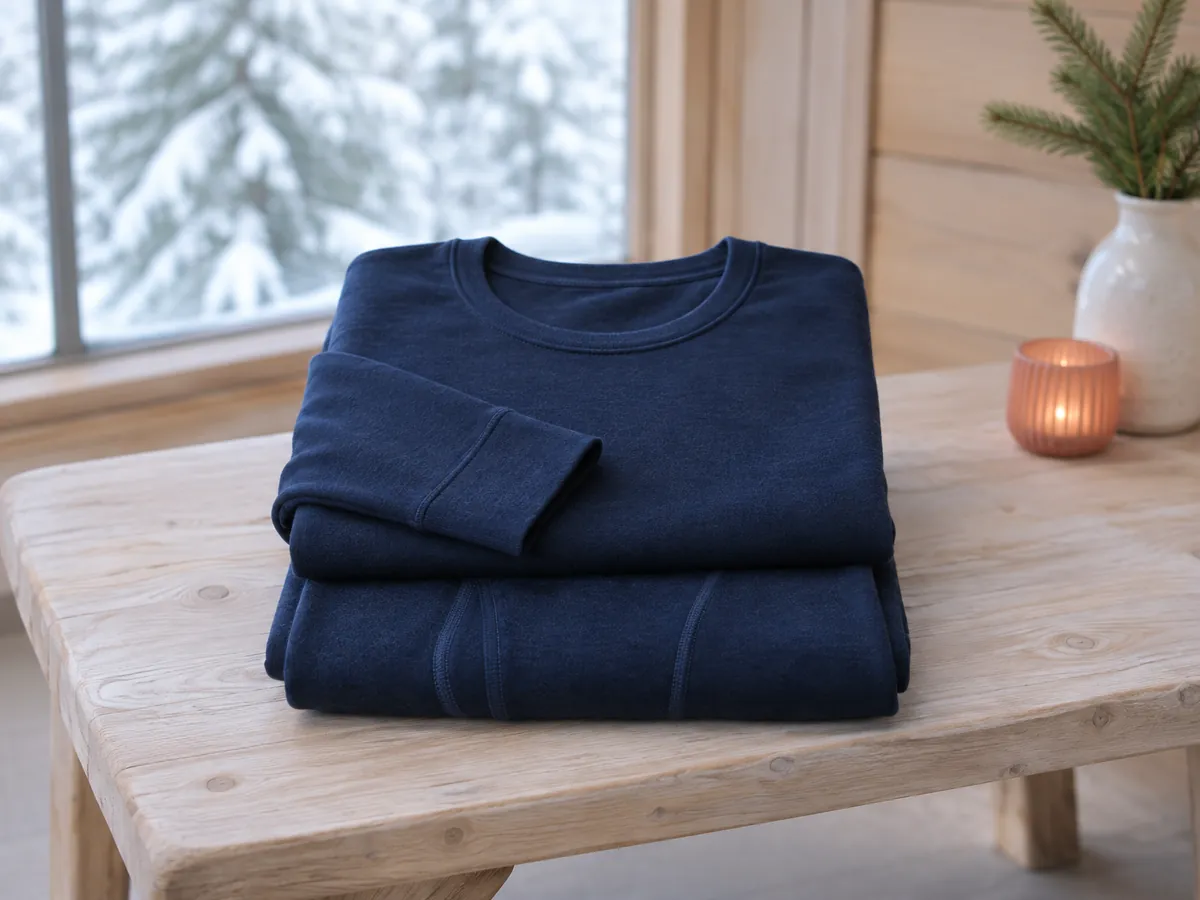
Merino wool base layers
Why you need it: Noah’s rule: three thin layers beat one thick coat, and this is layer one. Wool keeps you warm on a −15°C chairlift even when you sweat, and it doesn’t smell after 4 ski days. Cotton gets wet and stays cold.
Look for: Merino wool or a synthetic blend (never cotton), a top and bottoms, midweight (about 200 to 250 g/m²) for January.
Chairlifts at −15°C
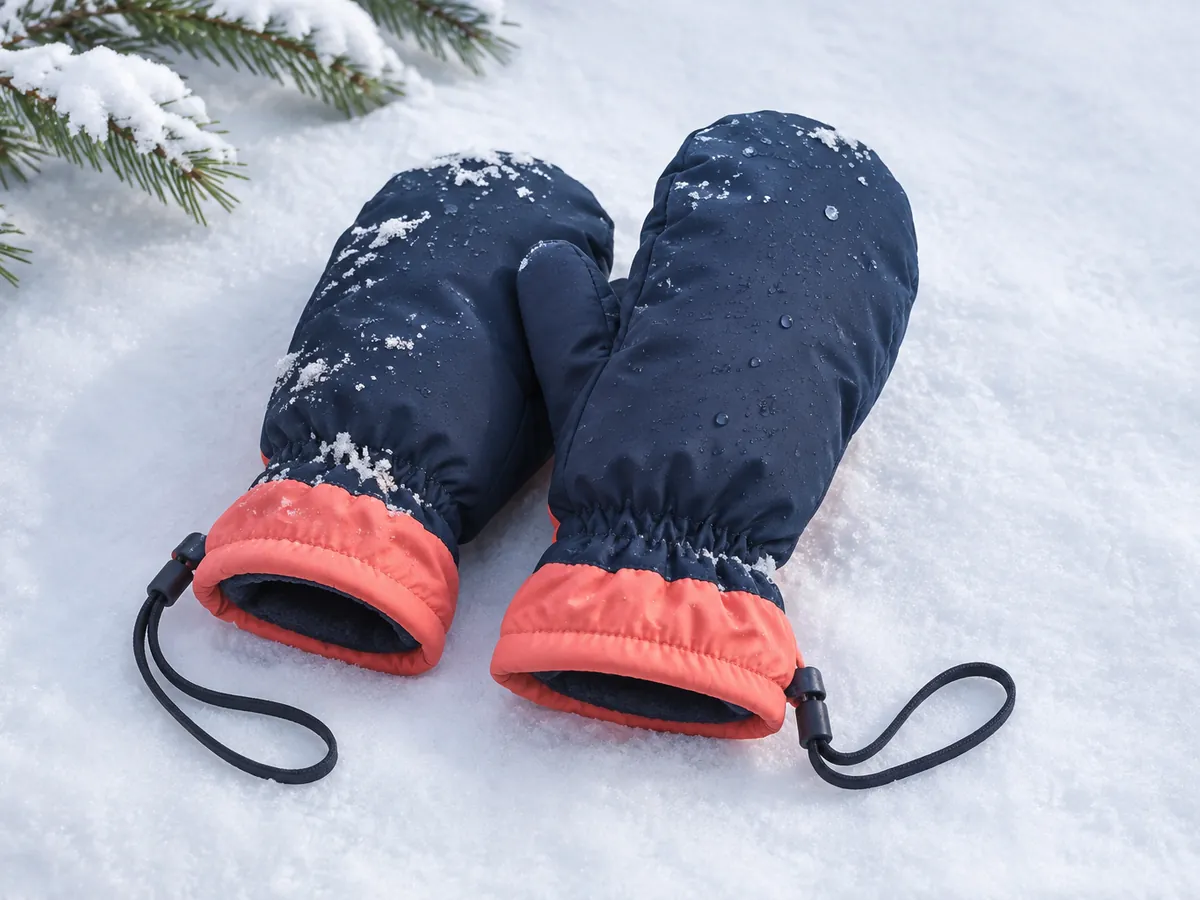
Insulated waterproof ski mitts
Why you need it: Fingers get cold first on a windy lift at Sunshine. Mitts keep your fingers together, so they’re warmer than gloves, and they work for the canyon walk and the gondola deck too.
Look for: Mittens, not gloves, with a waterproof shell, warm insulation, long cuffs that go over your jacket sleeve, and wrist leashes.
Wind on the lifts
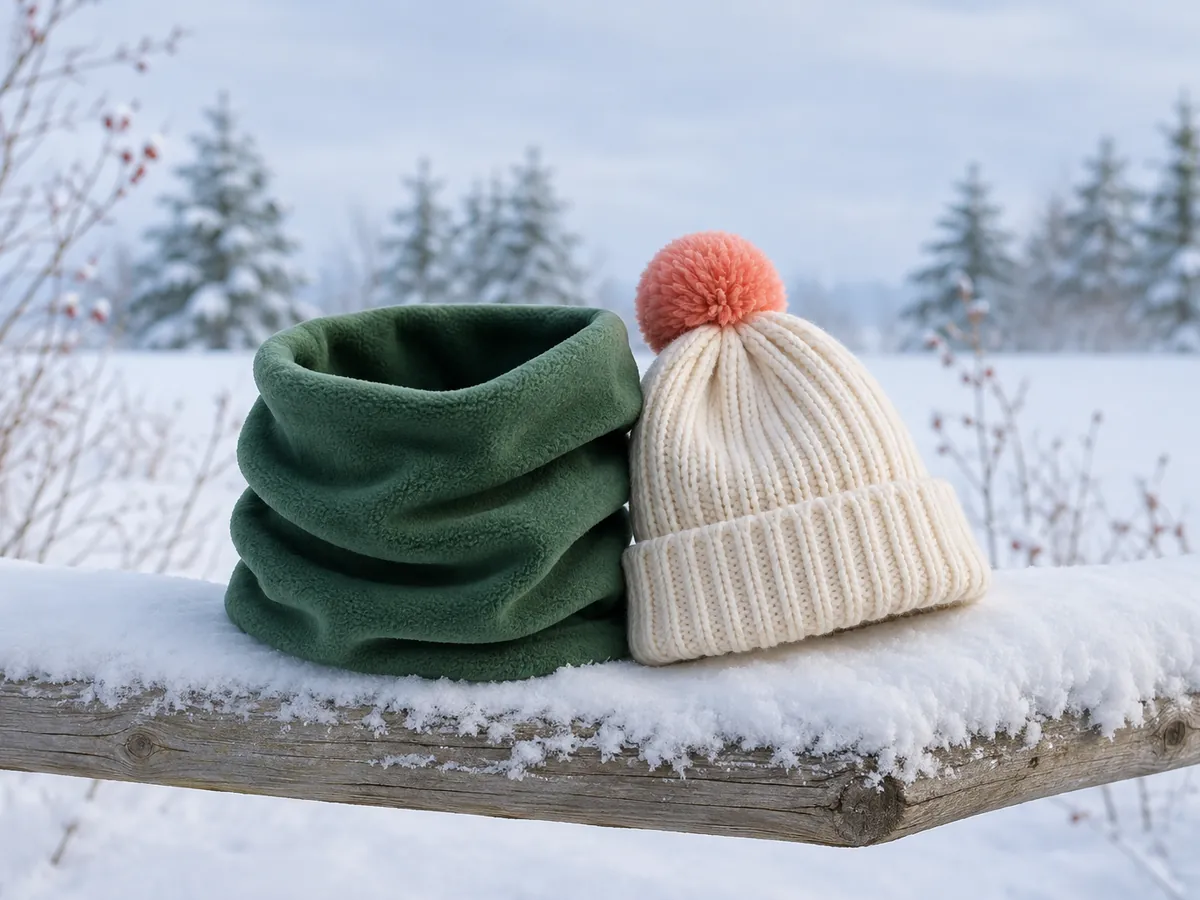
Fleece neck gaiter
Why you need it: Wind at the top of Sunshine and on the Lake Louise lifts burns your face. A gaiter pulls up over your nose and mouth, and goes down when you’re back inside.
Look for: Soft fleece or merino, long enough to pull up over your nose, and thin enough to fit under a helmet.
Your backup heat
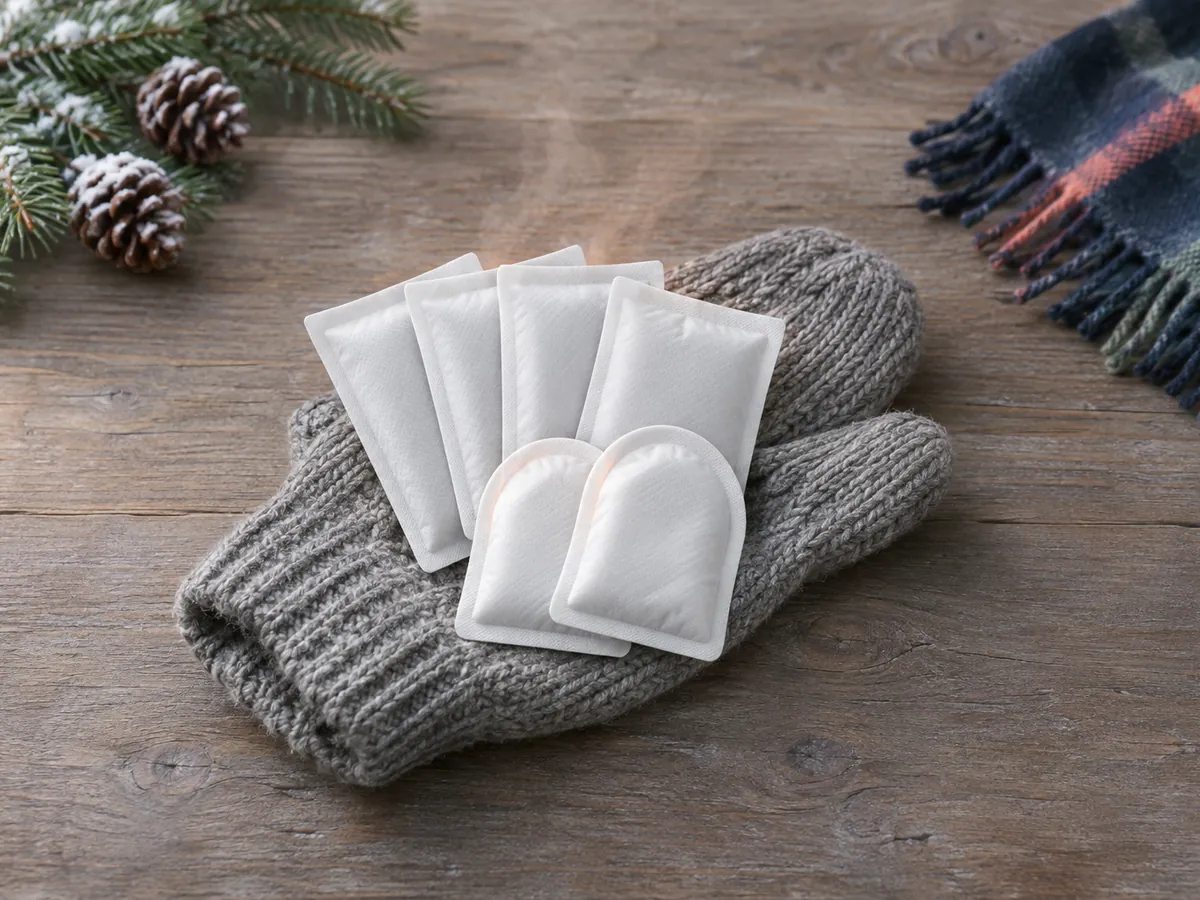
Hand and toe warmers
Why you need it: One in each mitt and boot turns a cold morning into a good one, and they last most of a ski day. They’re cheap, light and a lifesaver for anyone used to warm winters.
Look for: Air-activated hand and toe warmers that last 8+ hours, bought in a multi-pack. Toe warmers stick inside your boot.
Banff Avenue in January
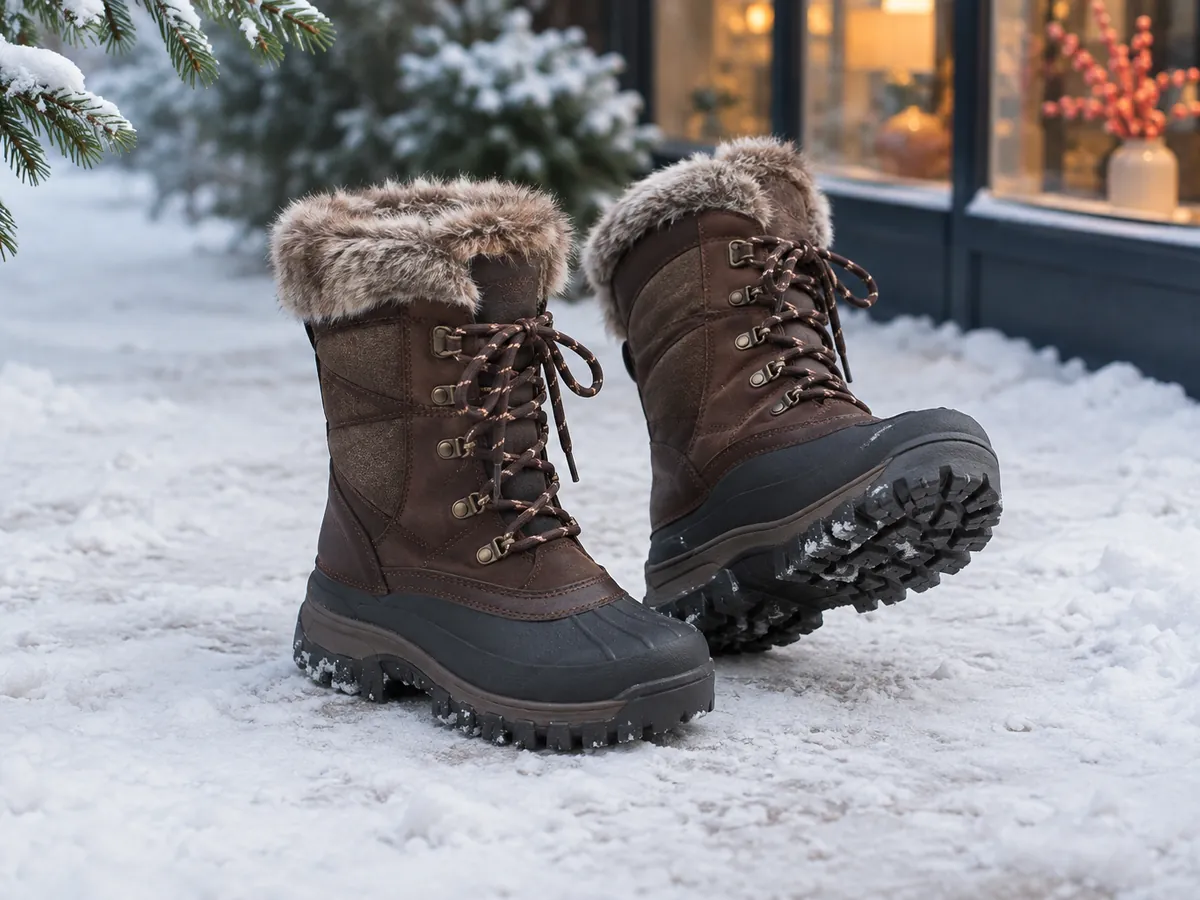
Waterproof winter boots
Why you need it: You rent ski boots, but you still walk town, the canyon and the frozen lake in your own shoes. Sneakers soak through in the snow. Insulated boots keep your feet warm and dry at night.
Look for: Waterproof, insulated (rated to about −30°C), with a deep rubber tread and room for a thick sock.
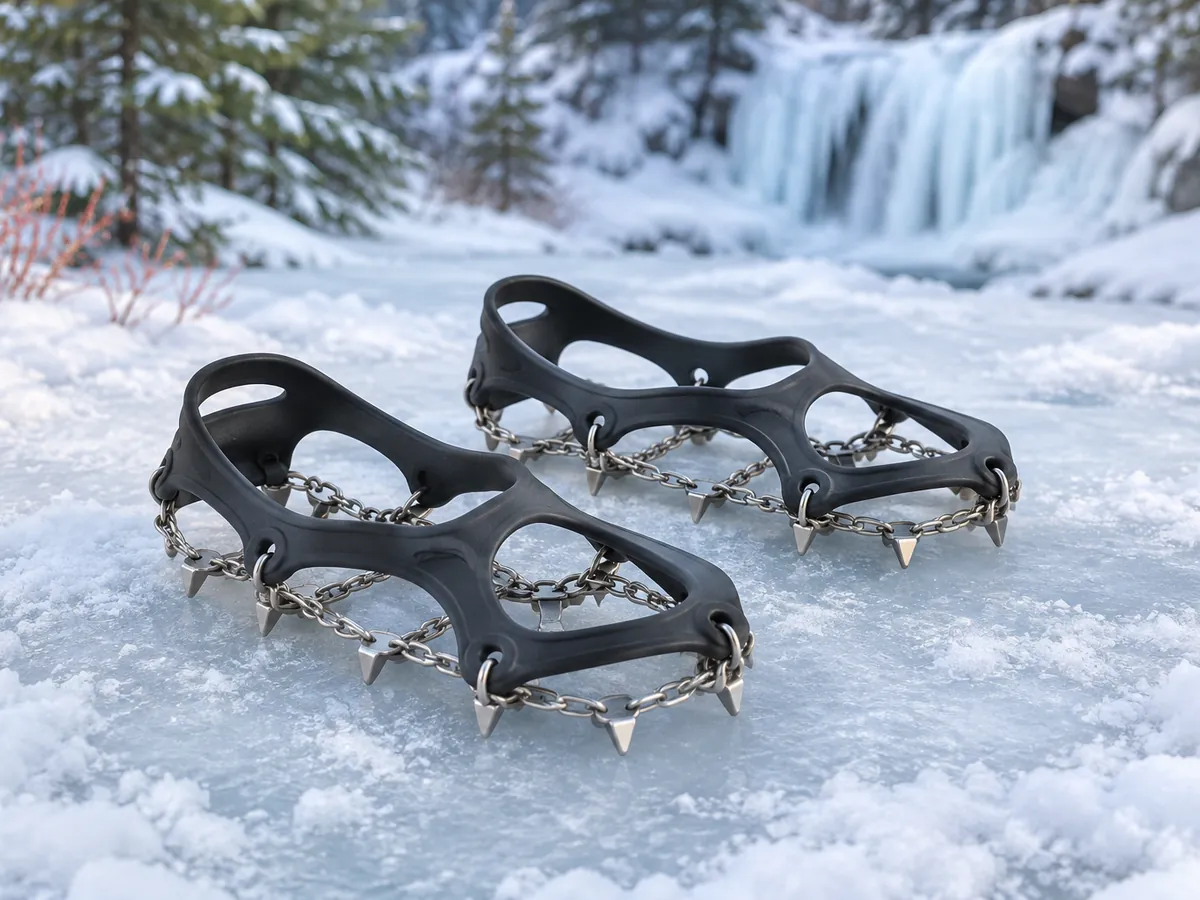
Icy sidewalks and trails
Slip-on ice cleats
Why you need it: Banff’s sidewalks, the walk to the hot springs and the Lake Louise shoreline turn to packed ice. Guided Johnston Canyon walks lend cleats, but a pair of your own works everywhere else.
Look for: Slip-on cleats with steel spikes or short chains and a stretch rubber harness, in your boot size.
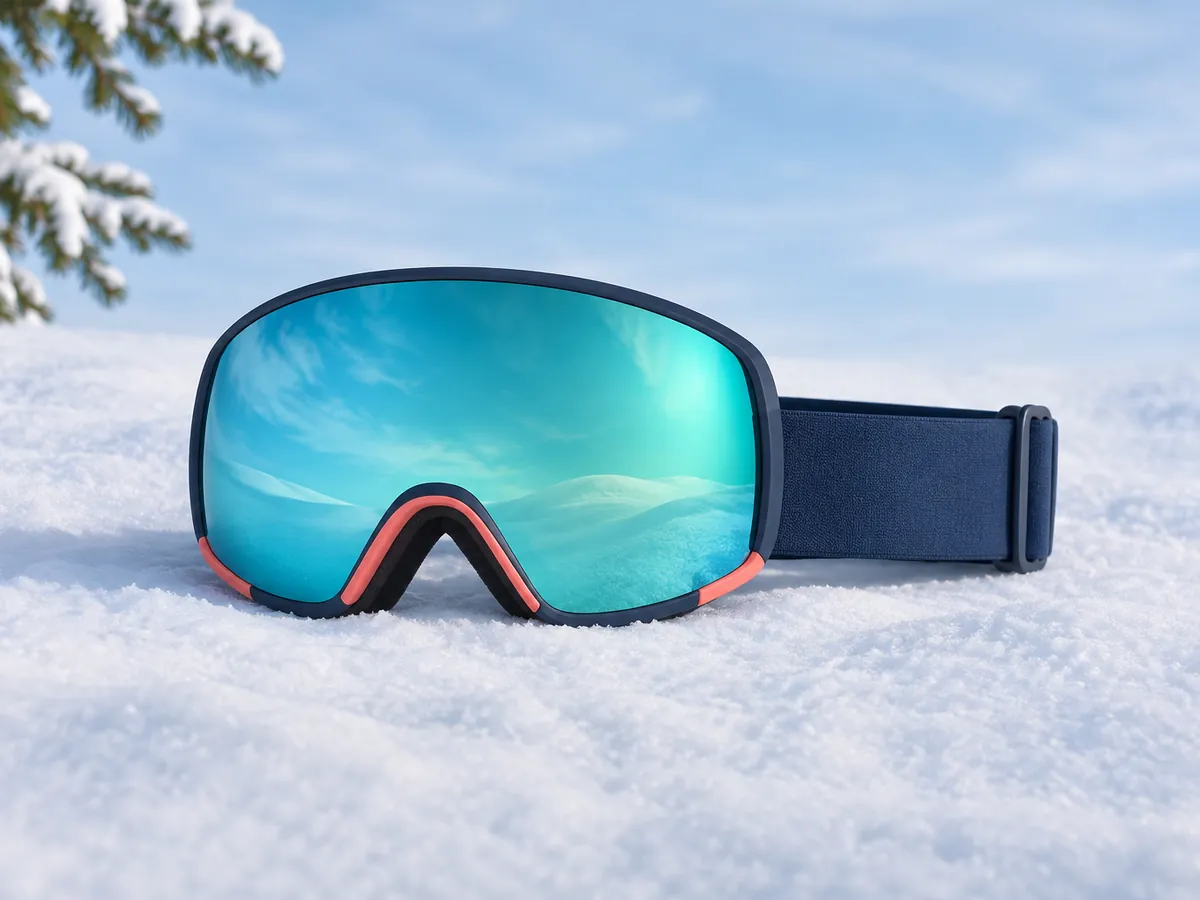
Snowy, flat-light days
Ski goggles
Why you need it: Goggles aren’t always part of a rental package. On snowy days at Lake Louise, the light goes flat and you can’t see the bumps. Goggles help you see, and keep the wind out of your eyes.
Look for: A lens for low light (for snowy, flat-light days), an anti-fog coating, and a helmet-friendly strap. OTG if you wear glasses.
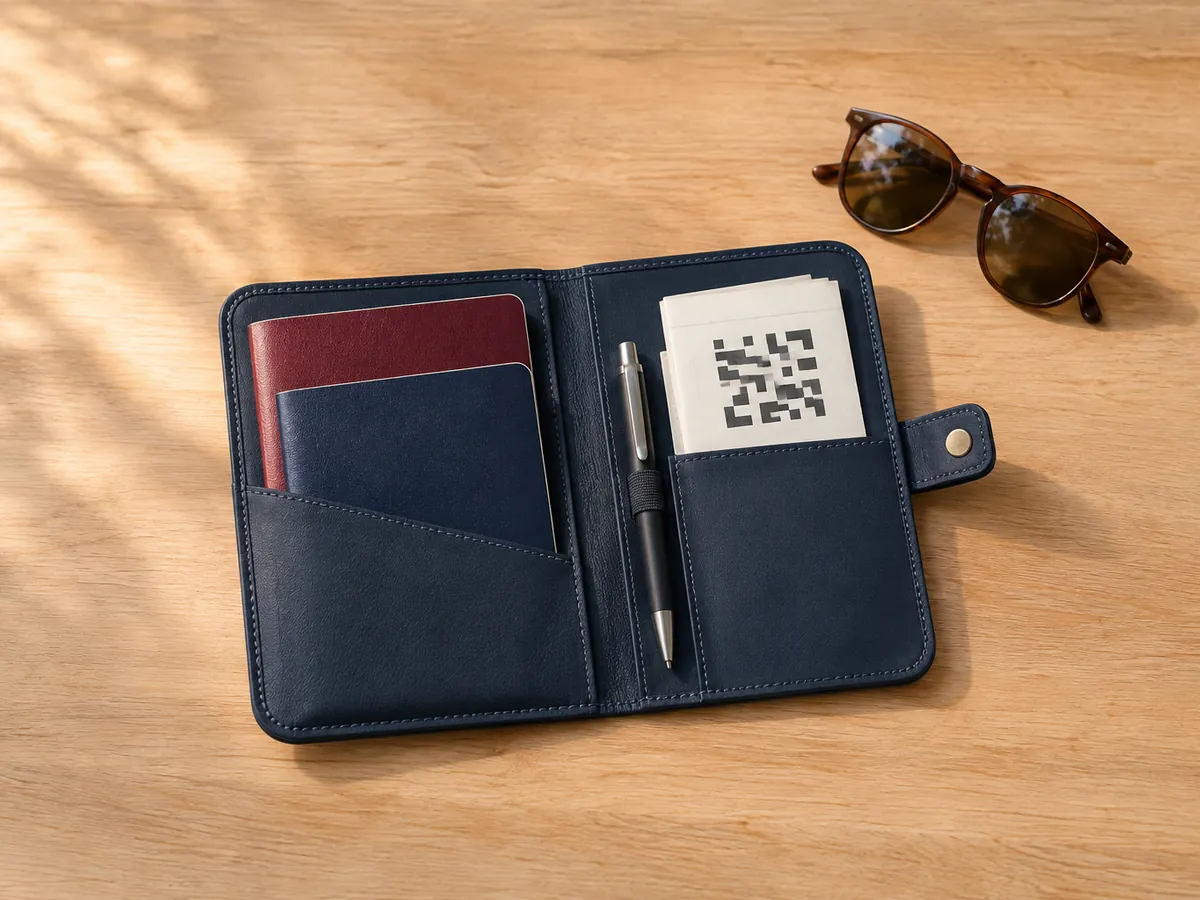
Passport, park pass, lift tickets
Travel document wallet
Why you need it: Passports for the flight, the printed park pass, lift ticket cards and the shuttle booking: one wallet keeps them all together in a zipped jacket pocket.
Look for: Slots for passports, cards and a printed park pass or booking, a zip closure, and a size that fits a jacket pocket.
Nice to have 4 items
Swipe to see all 4 →
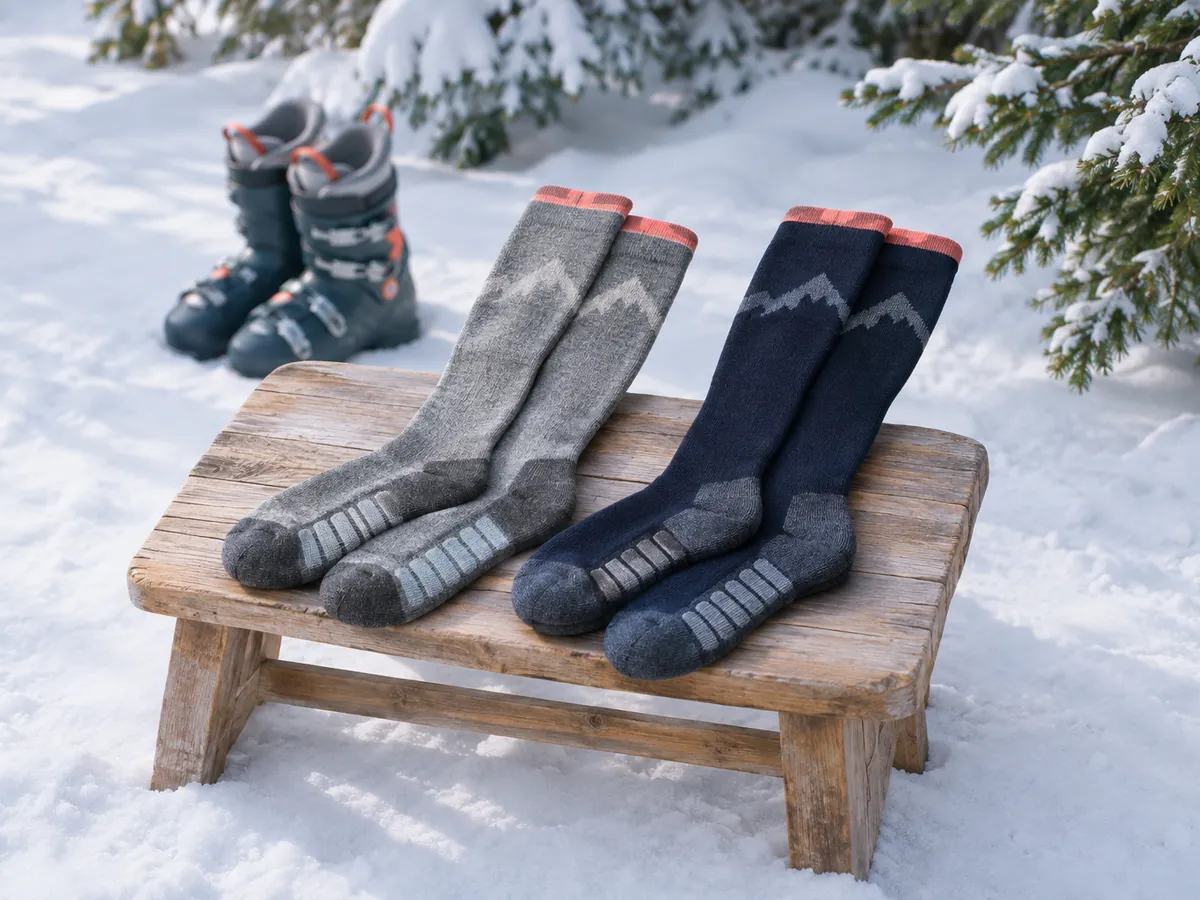
Rented ski boots
Merino ski socks
Why you need it: Thin wool ski socks keep your feet warm in rented ski boots without cramping them.
Lunch on the hill
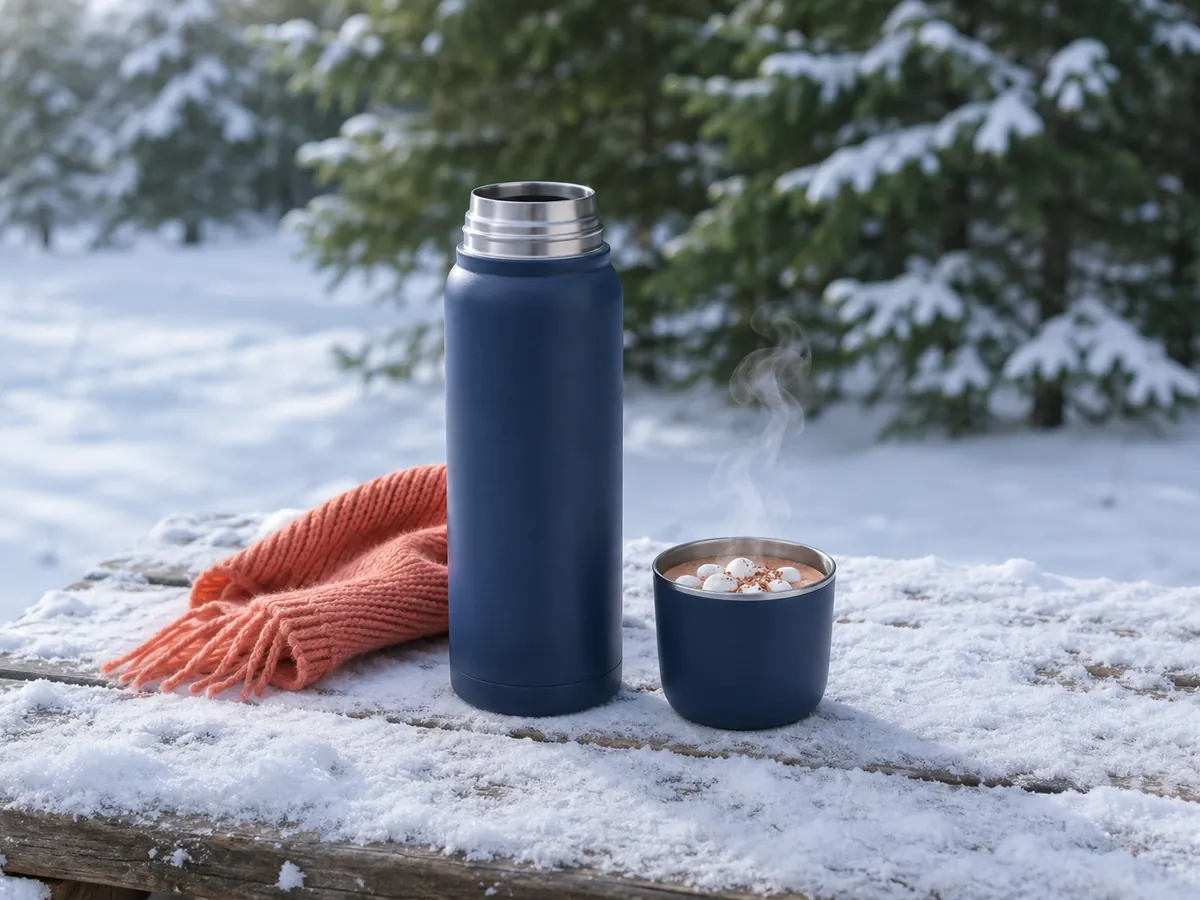
Insulated thermos
Why you need it: Hot chocolate or soup on the lift line, without paying ski-lodge prices for every cup.
Sun and wind at altitude
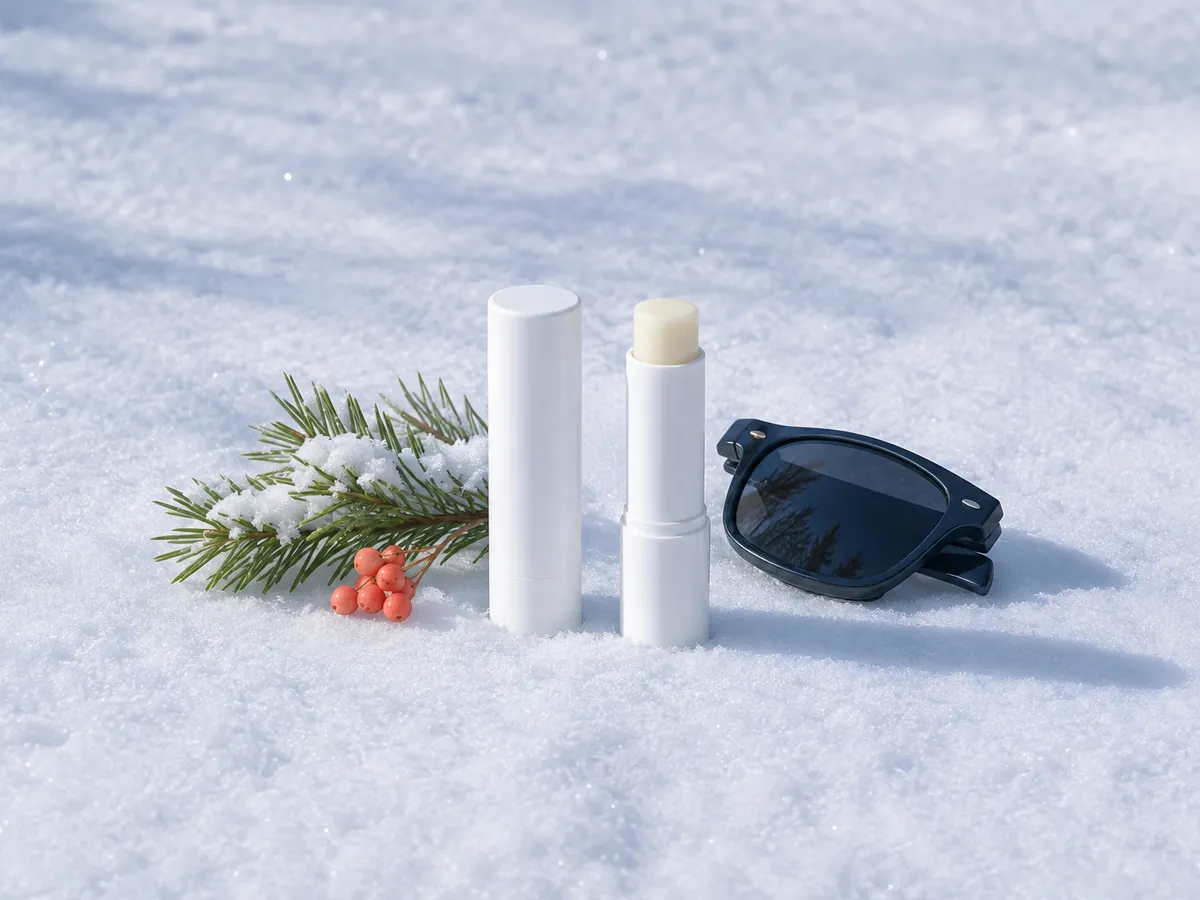
SPF lip balm
Why you need it: Snow reflects the sun and wind dries your lips. Keep one in your jacket.
Phones die in the cold
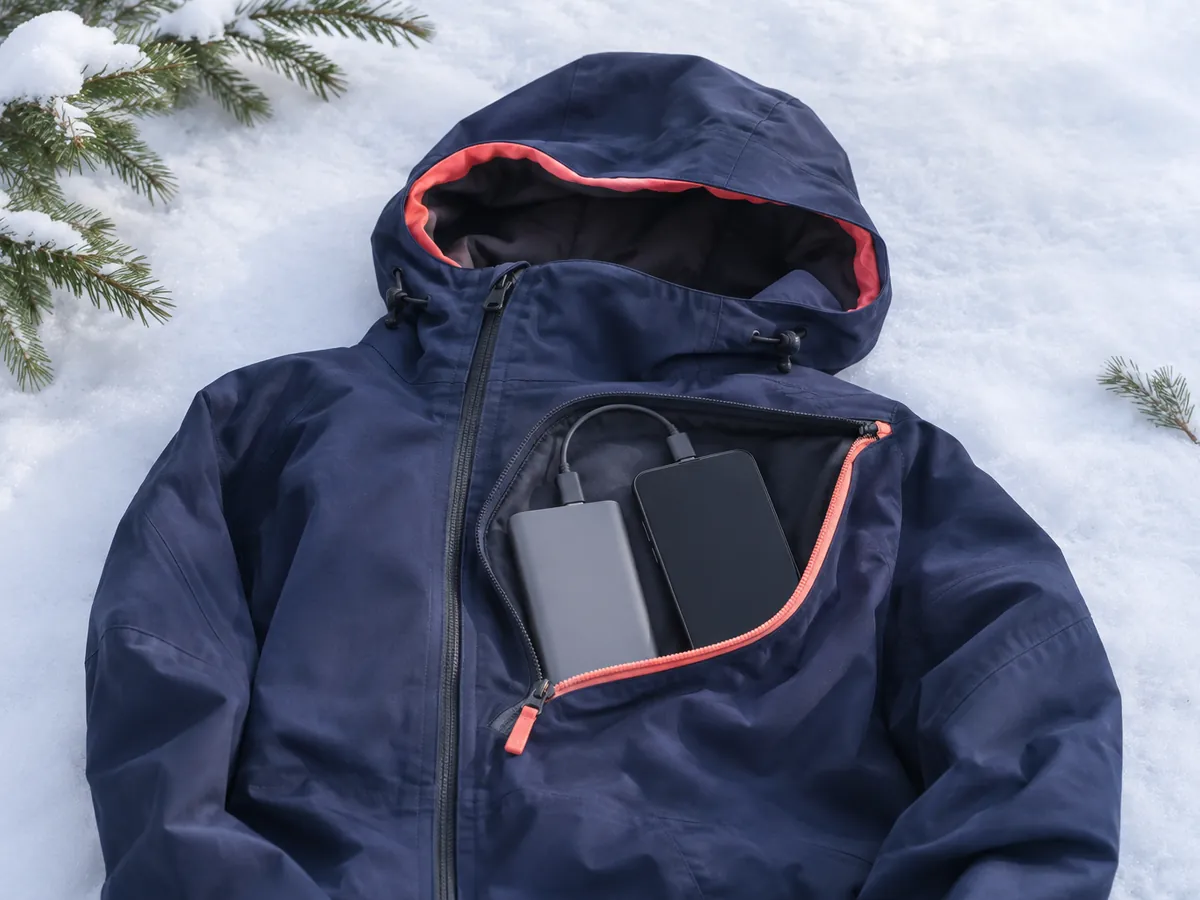
Power bank
Why you need it: Cold drains phone batteries fast. Keep a small power bank in an inside pocket.
We don’t list prices because they change daily. No plug adapter needed if you’re coming from the US: Canada uses the same plugs. As an Amazon Associate I earn from qualifying purchases.
More essentials, by category
The rest of a smart Banff winter packing list
The twelve above keep your hands, feet and face warm. These eight fill the gaps: the middle and outer layers, your head, your phone, your eyes, the high-altitude sun, first aid and the airport.
- Mid layer
- Outer layer
- Head
- Phone in the cold
- Eyes
- Sun at altitude
- First aid
- Carry-on
Swipe to see all 8 →
Mid layer
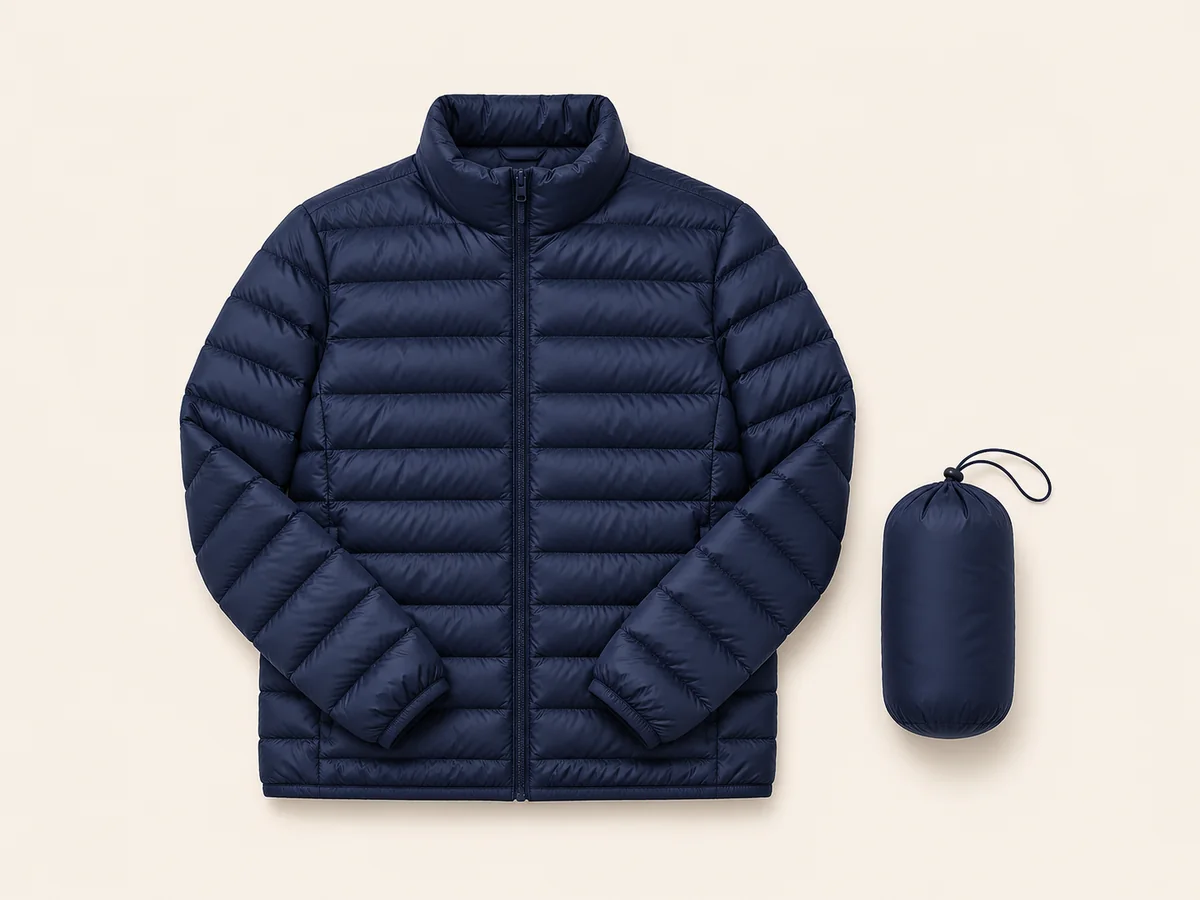
Packable down jacket
Why you need it: Layer two of Noah’s rule. It goes under your shell on a −20°C lift, then on its own for dinner on Banff Avenue, and squashes into its own pocket in carry-on.
Outer layer
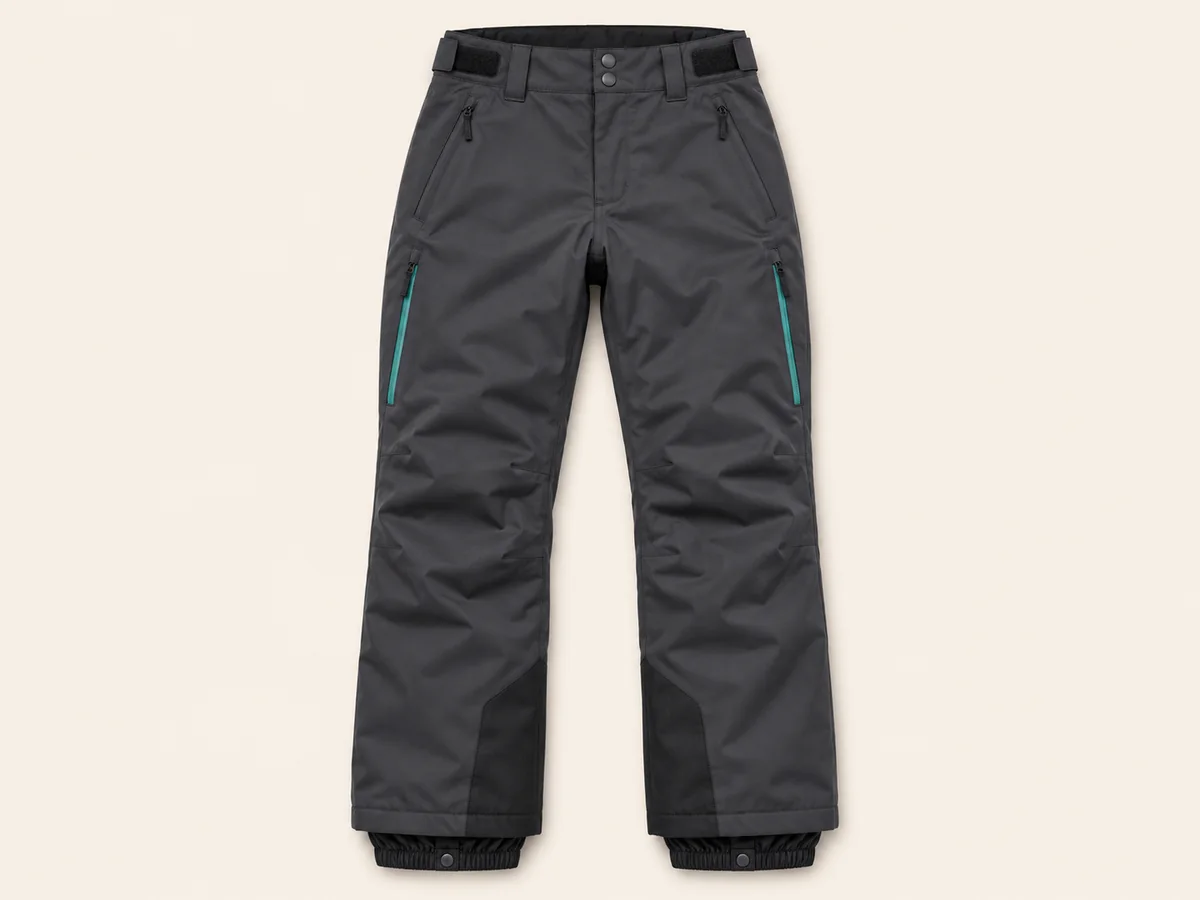
Insulated waterproof ski pants
Why you need it: Ski rentals don’t include pants, and jeans soak through on the first fall. Waterproof, insulated pants keep you dry on the lift and in the snow at the canyon.
Head
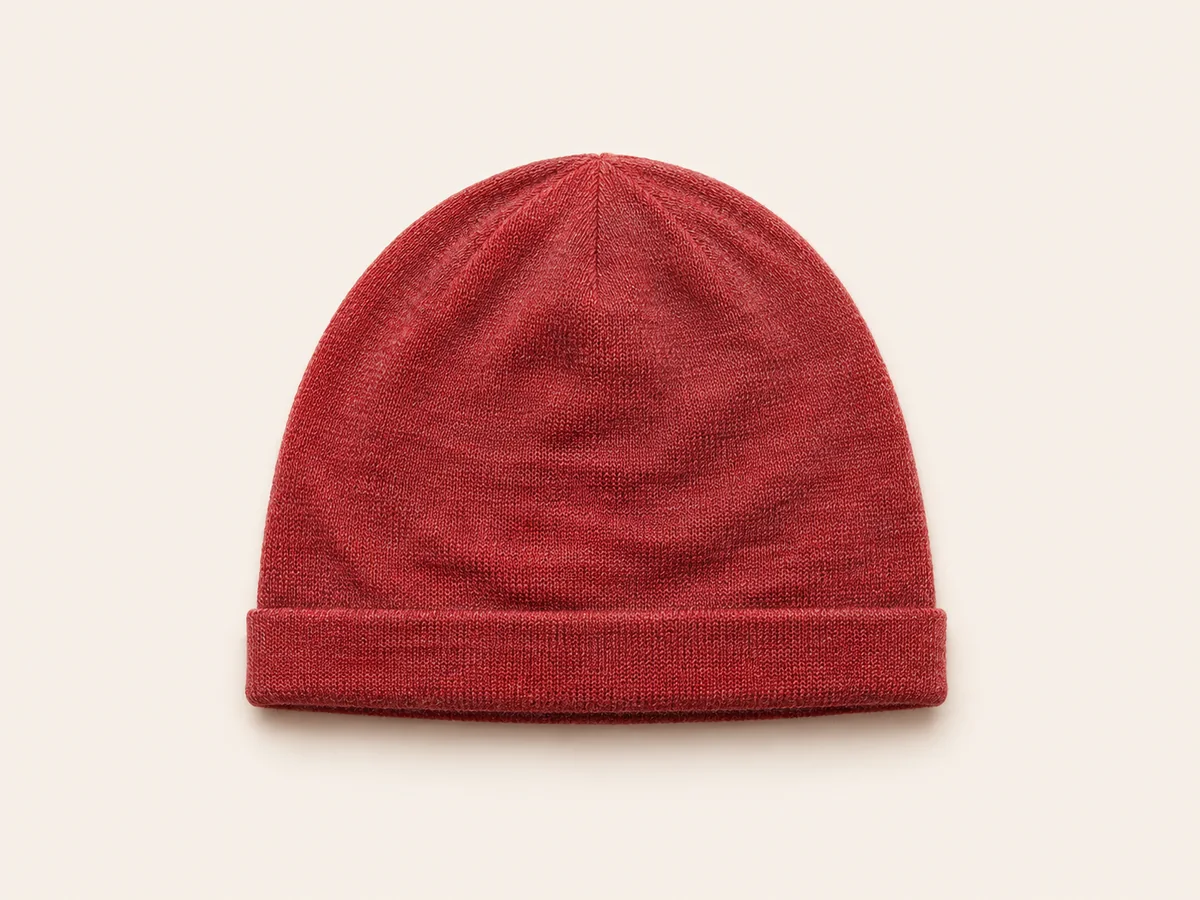
Merino beanie or helmet liner
Why you need it: Most heat leaves through your head. A thin merino beanie fits under a rental helmet on the hill and keeps your ears warm on the walk to the hot springs.
Phone in the cold
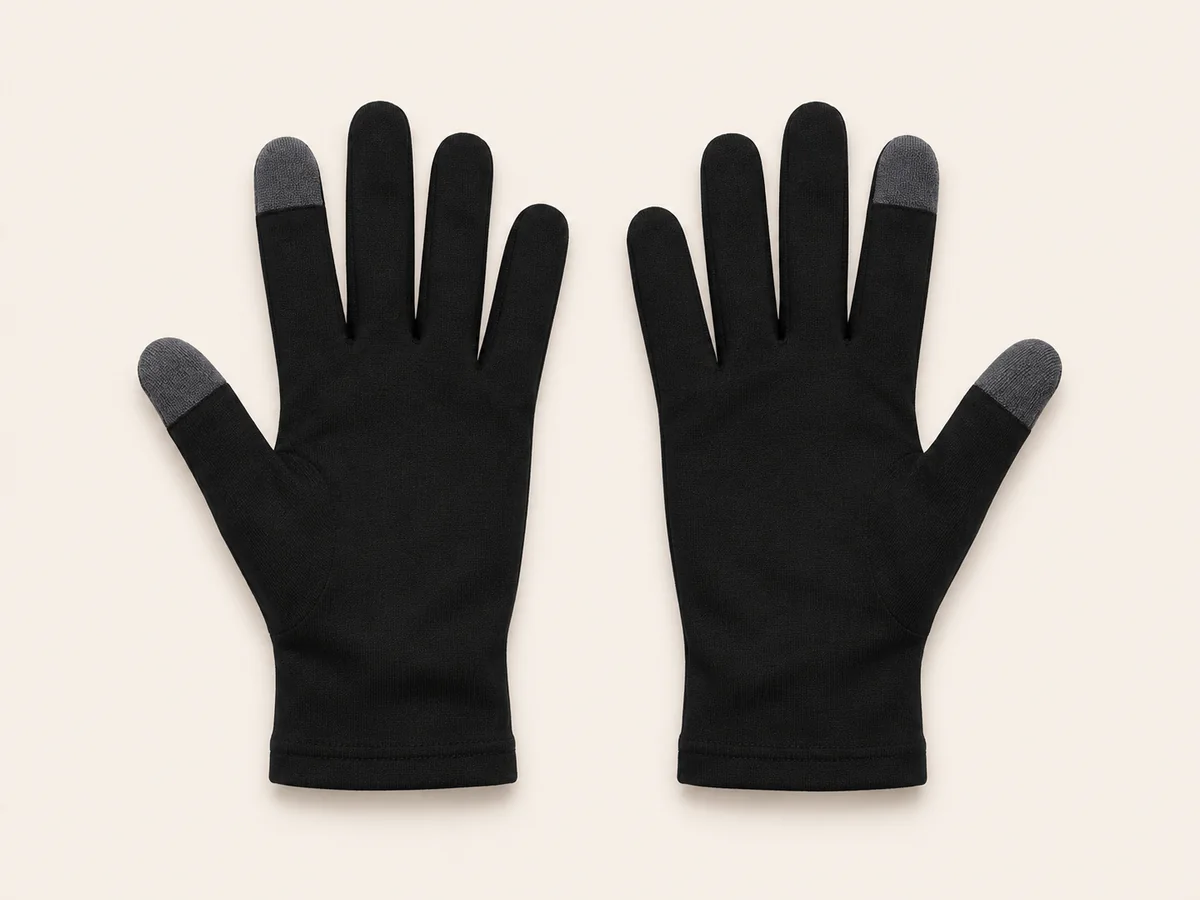
Touchscreen liner gloves
Why you need it: Take off a mitt at −15°C to snap a photo and your fingers hurt in seconds. Thin touchscreen liners work your phone, and they go inside your ski mitts too.
Eyes
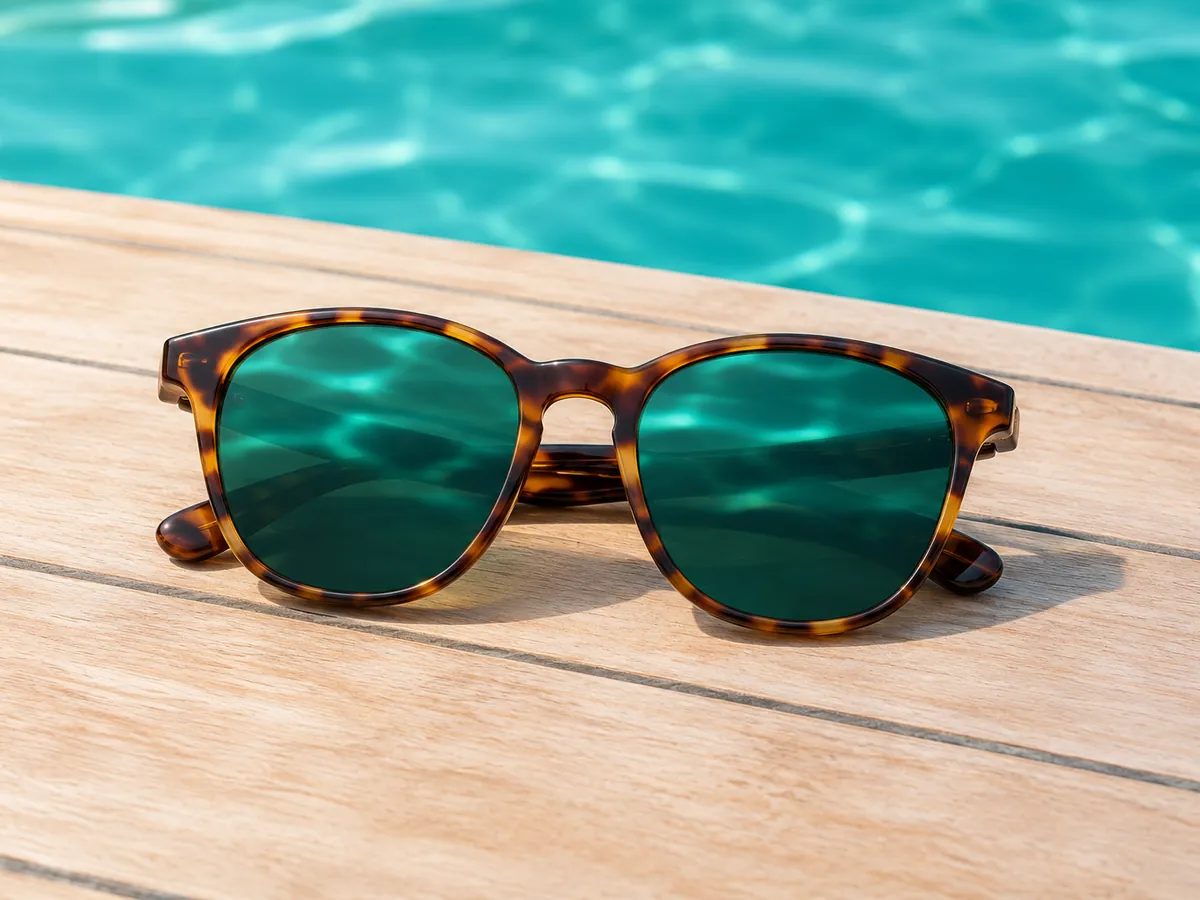
Polarized sunglasses
Why you need it: Sun on fresh snow at Sunshine Village is brighter than a beach. Polarized lenses cut the glare on blue-sky days and on the frozen lake.
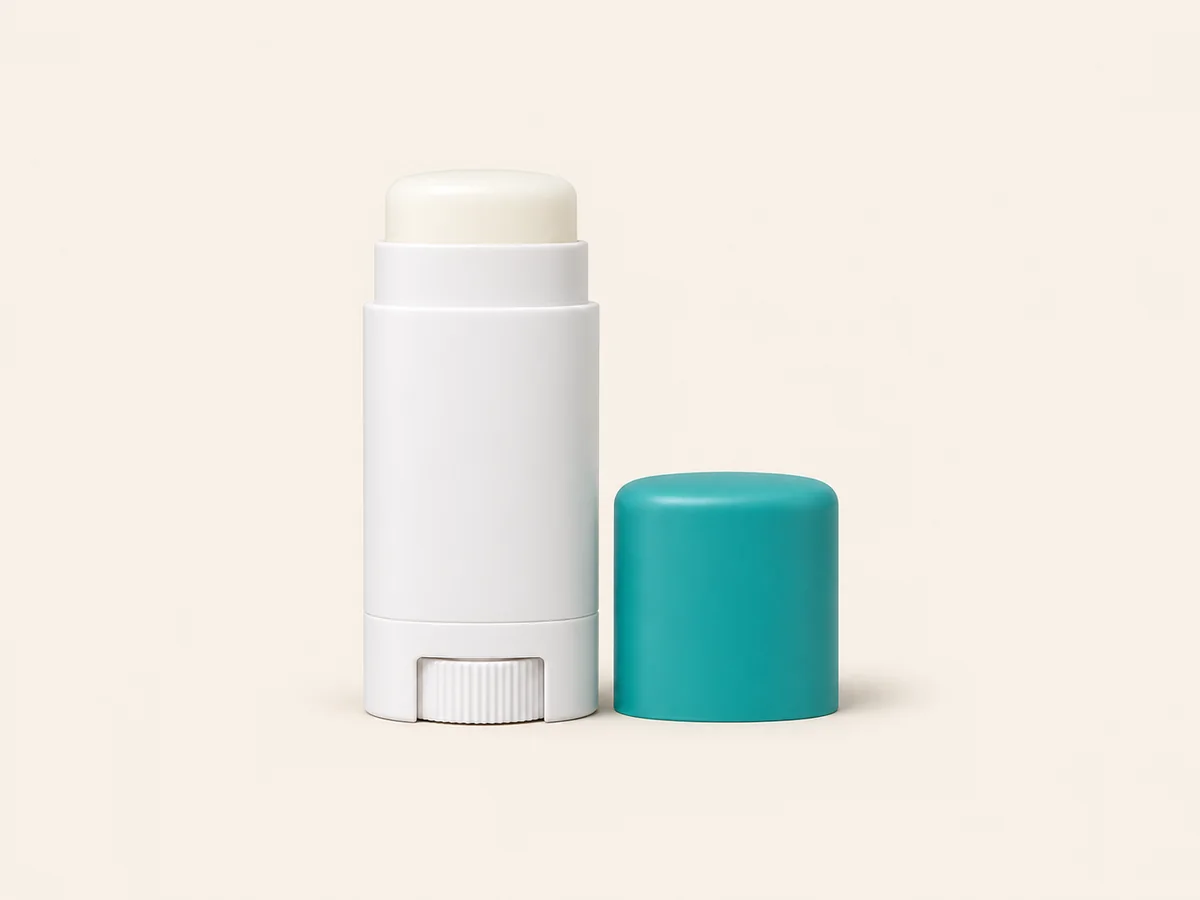
Sun at altitude
SPF 50 face sunscreen stick
Why you need it: At 2,000 m-plus, UV is stronger and the snow bounces it back. A stick fits in a jacket pocket and won’t freeze or leak like a lotion.
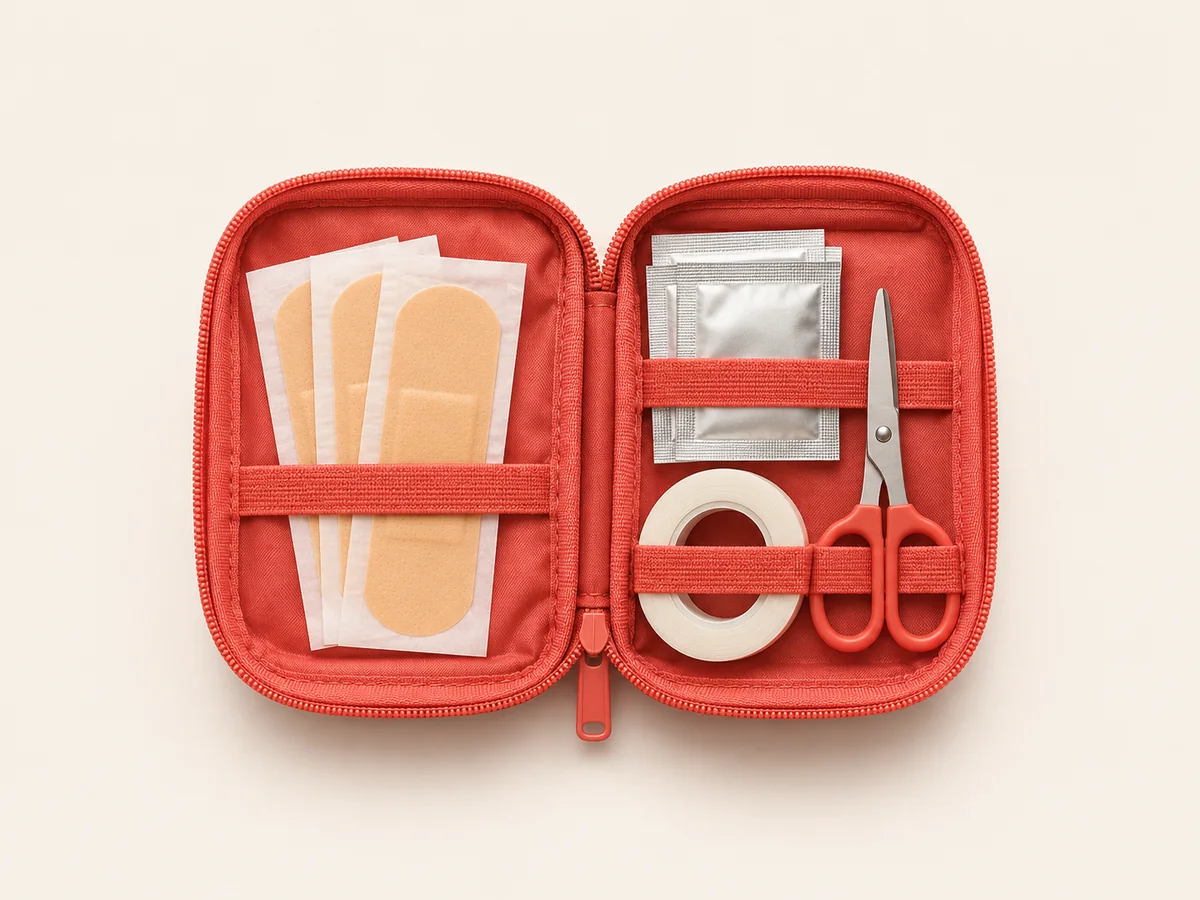
First aid
Small travel first-aid kit
Why you need it: Blisters from rental boots, a scraped knee on ice, or a headache at altitude. A small kit saves a trip to the pharmacy on your first ski day.
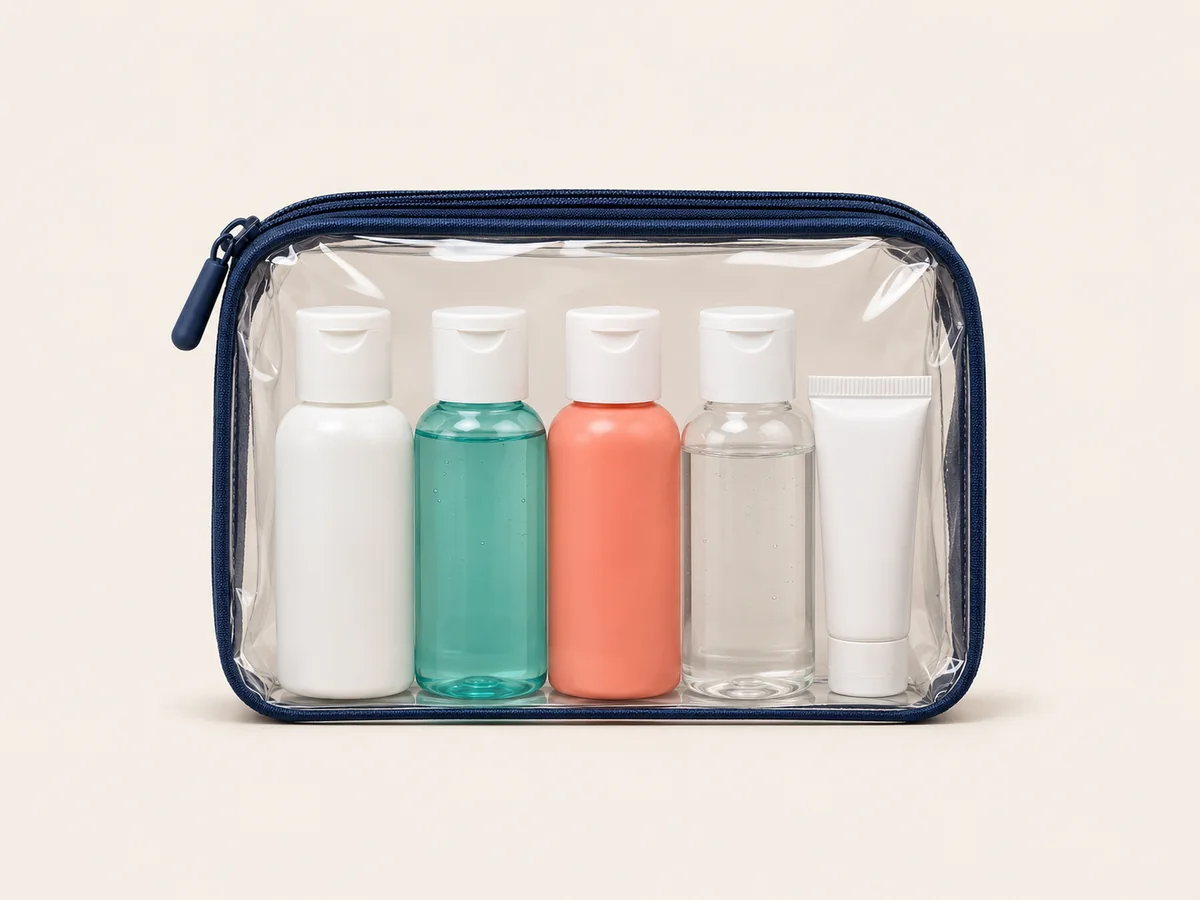
Carry-on
Clear toiletry bag
Why you need it: Carry-on liquids must fit in one clear bag at US and Canadian security, including US preclearance in Calgary on the way home. One sturdy bag each keeps the check quick.
We don’t list prices because they change daily. As an Amazon Associate I earn from qualifying purchases.
Before you go
Documents & must-dos
Canada is easy for most American visitors. Two things people forget: the park pass and the travel insurance.
- Americans flying in: a valid US passport (or a NEXUS card). US citizens don’t need an eTA
- Other visitors: check whether you need an eTA or a visa on Canada’s official site before you book
- Buy a Banff National Park pass: CA$12.25 per adult per day, or CA$83.50 for a Discovery Pass (good value for 7+ days). Under 18s are free
- Travel insurance with medical cover: many US health plans pay little or nothing in Canada
- Renting a car? Ask for winter tires and check road conditions at 511 Alberta before you drive
- Read travel.state.gov (Americans) before booking and again before you fly
Travel insurance
Travel insurance for a Banff ski trip
Canada feels close to home for Americans, but your health plan probably doesn’t follow you there. Here’s why it matters on a ski week, and where to compare.
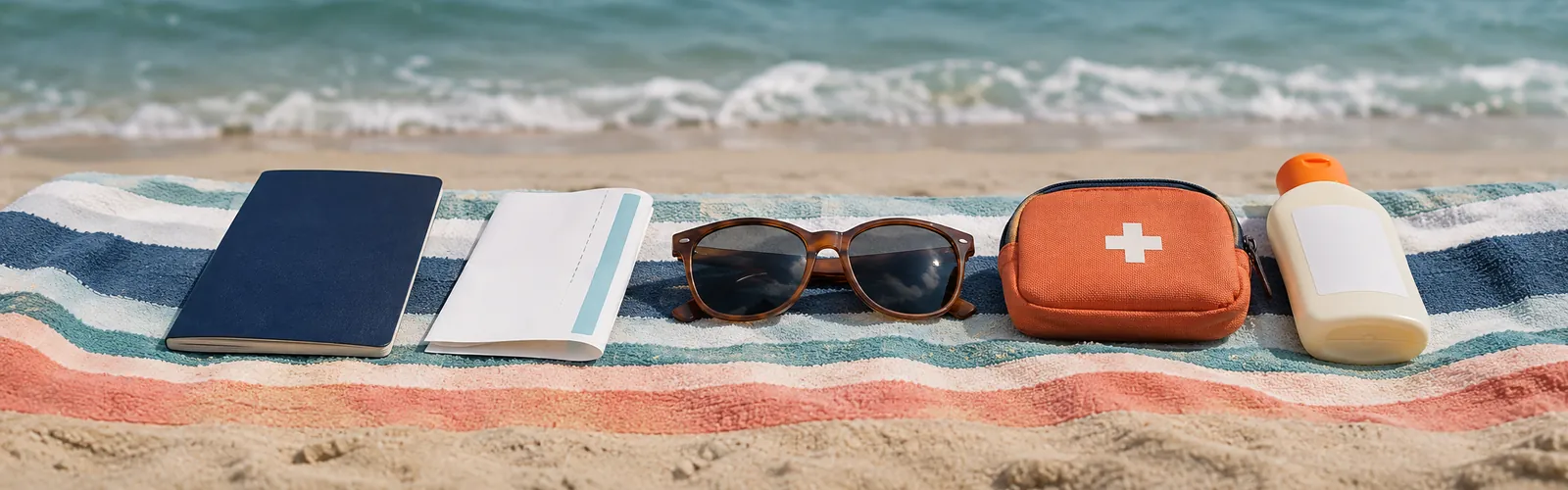
Why travellers need it
- US health plans pay little in CanadaA hospital bill in Banff or Calgary can run thousands of dollars. Many US plans, and Medicare, pay little or nothing outside the US.
- Ski and ice injuriesA twisted knee on the slopes or a fall on an icy sidewalk is the most common winter claim. Check that downhill skiing and snowboarding are named in the policy.
- Winter flight delaysA storm in Dallas, Toronto or Calgary can cancel a flight. Delay and interruption cover pays for an extra night and a new flight.
- Highway and avalanche closuresAvalanche control and snowstorms can close the Trans-Canada for hours. Check that weather delays to your trip are covered.
Compare your options
Swipe to see all 3 →
Americans and other visitors
VisitorsCoverage
Best for: US travellers and visitors from outside Canada.
Compare travel medical plans for a trip to Canada in one place, side by side, by price and medical limit.
Check: That downhill skiing is covered, the medical and evacuation limits, and direct billing.
Ski days
World Nomads
Best for: Skiers and snowboarders. Open to travellers from the US, the UK and many other countries.
Built for active travel: see which winter sports are covered before you buy, and buy or extend while you’re away.
Check: That skiing is listed in your plan, and the evacuation limit.
Canadians
TuGo
Best for: Canadians coming from another province.
Your provincial plan may not pay the full cost of care in Alberta. A Canadian insurer with out-of-province medical and trip cancellation cover.
Check: Out-of-province medical, skiing, and the cancellation reasons.
- A high emergency medical limit, with helicopter or ambulance evacuation included.
- Downhill skiing and snowboarding are named in the policy (some plans exclude them or charge extra).
- Trip delay and interruption cover for winter storms and road closures.
- The rules for pre-existing conditions, including how long a condition must be stable.
- If you rent a car: whether rental-car damage is covered, or if your credit card covers it.
Alberta residents in Alberta are covered by their own provincial plan. We may earn a commission if you buy through these links, at no extra cost to you. We don’t sell insurance or give insurance advice: read the policy wording.
Insurance depends on where you live
Ski trip insurance for US, Canadian and Latin American travellers
The same ski injury in Banff lands very differently depending on your home health plan. Here’s what yours pays in Alberta, and what to add.
Compare many US plans
InsureMyTrip
Compare trip cancellation and travel medical plans from many US insurers on one page. Filter for winter sports, a high medical limit and evacuation.
Compare US plansMedical only, any age
VisitorsCoverage
Travel medical plans for US residents going to Canada, including plans for travellers over 65 to sit alongside Medicare or Medigap.
Get a quoteCanadian insurer
TuGo
Out-of-province medical, cancellation and all-in plans built for Canadians, with family plans and ski cover.
Get a TuGo quoteSki days
World Nomads
Built for active trips: check which winter sports are covered, then buy or extend while you’re away.
Get a quotePopular in Latin America
Assist Card
Travel assistance plans sold across Latin America, with emergency medical cover and a 24/7 help line in Spanish and Portuguese. Add the winter sports option.
See plansMany nationalities
SafetyWing
Simple travel medical cover you can buy online from most countries. Check that it sells to residents of yours, and the ski add-on.
Get a quoteWe may earn a commission if you buy through these links, at no extra cost to you. We don’t sell insurance or give insurance advice: read the policy wording.
US credit card options
US travel credit cards: what they cover on a Banff trip
If you live in the US, start here. If you’re Canadian, your cards are just below. In Banff, cards work almost everywhere; use one with no foreign-transaction fee to save the 2.5% in the cost table.
Swipe to see all 4 →
US$95 a year
Chase Sapphire Preferred
- Trip cancellation
- US$10,000/person
- Trip delay
- US$500 after 12 h
- Rental car
- Primary cover
- Emergency medical
- Not included
US$395 a year
Capital One Venture X
- Trip cancellation
- US$2,000/person
- Trip delay
- US$500 after 6 h
- Rental car
- Primary cover
- Emergency medical
- Not included
US$795 a year
Chase Sapphire Reserve
- Trip cancellation
- US$10,000/person
- Trip delay
- US$500 after 6 h
- Rental car
- Primary cover
- Evacuation
- Up to US$100,000
US$895 a year
American Express Platinum
- Trip cancellation
- US$10,000/trip
- Trip delay
- US$500 after 6 h
- Rental car
- Secondary cover
- Evacuation
- Global Assist
From the issuers’ published benefit summaries as reported by NerdWallet, Upgraded Points and Squaremouth, November 2026. Most cover you only if you charge the trip (or the rental) to the card and decline the counter’s collision cover; terms apply. In Latin America? Ask your bank what your card’s travel assistance covers. We may earn a commission if you apply through these links. This isn’t financial advice: compare the full card terms and the interest rate.
Credit card options
Canadian credit cards that include travel insurance
For Canadians coming from another province: a 7-night ski week is 8 days away from home, which fits inside the medical cover on all four of these cards. Most only cover you if you charge the trip to the card, and age limits and cancellation amounts differ. Read the certificate of insurance before you rely on it.
Swipe to see all 4 →
CA$150 a year
Scotiabank Passport Visa Infinite
Up to 25 days of emergency medical (under 65), trip cancellation up to CA$1,500, interruption up to CA$2,500, flight delay CA$500. No foreign-transaction fee.
See the cardCA$139 a year
TD Aeroplan Visa Infinite
Up to 21 days of emergency medical (under 65), cancellation up to CA$1,500, interruption up to CA$5,000, flight delay CA$500. Aeroplan points on Air Canada.
See the cardCA$120 a year
RBC Avion Visa Infinite
Up to 15 days of emergency medical (under 65), cancellation up to CA$1,500, interruption up to CA$5,000, flight delay CA$500.
See the cardCA$150 a year (first year often waived)
BMO Ascend World Elite Mastercard
Up to 21 days of emergency medical, up to CA$5 million, cancellation up to CA$1,500, interruption up to CA$2,000, flight delay CA$500.
See the cardCoverage from the issuers’ published summaries as reported by Milesopedia and Loans Canada, November 2026. Most cards cut medical cover to 3 or 4 days at 65 and over, and some exclude certain sports: check the wording for skiing. Flying from the US? These are Canadian cards, so check your own card’s benefits guide, and use a card with no foreign-transaction fee to save the 2.5% in the cost table. We may earn a commission if you apply through these links. This isn’t financial advice: compare the full card terms and the interest rate.
Is Banff worth visiting in winter?
Yes. You get three ski resorts on one lift ticket, frozen waterfalls, skating on Lake Louise, hot springs in the snow and a cozy town full of restaurants. January is often the best value, after the Christmas rush and before spring break.
How cold is Banff in January?
Days average about −5°C (23°F) and nights about −15°C (5°F). Cold snaps can drop much lower, and warm Chinook winds can push it above freezing. Dress in layers.
Which Banff ski resort is best?
Banff Sunshine for dry powder and the longest season, Lake Louise for the most terrain and the biggest views, and Mt. Norquay for a short half day or night skiing. One SkiBig3 ticket covers all three, and free shuttles run from Banff town.
How much does a ski trip to Banff cost?
In our January estimate for two adults, 7 nights, 4 ski days with rentals, it’s about US$5,090 to US$6,420 from Dallas, Houston, Chicago or Denver, US$5,350 to US$6,680 from New York, US$4,900 to US$6,230 from Los Angeles or Seattle, and US$5,030 to US$6,330 from Toronto, from a value to a sweet-spot hotel. A splurge hotel adds about US$2,730. Lift tickets run about CA$140 to CA$170 a day at the window.
Do I need a car in Banff in winter?
Not if you stay in Banff town. Airport shuttles run from Calgary (from about CA$67 each way), and free ski shuttles reach all three resorts. A car helps if you stay in Canmore or want to explore on your own; ask for winter tires.
Do Americans need a passport to visit Banff?
Yes, to fly into Canada you need a valid passport (a NEXUS card also works). US citizens don’t need an eTA. You also need a Banff National Park pass, and travel insurance with medical cover is a smart idea.
Do Canadians need travel insurance for Banff?
If you live outside Alberta, your provincial plan covers most hospital and doctor bills in Banff, but not ground ambulance, a helicopter rescue off the slopes, or the cost of the trip if you cancel. Québec residents may also be billed for doctor visits. Many premium Canadian credit cards include out-of-province medical cover; check that it includes downhill skiing.
Do Latin American travellers need a visa for Banff?
It depends on your passport. Chileans need only an eTA. Mexicans, Brazilians, Argentines, Costa Ricans and Panamanians can use an eTA only when flying in with a valid US visa, or a Canadian visa held in the last 10 years. Most other Latin American passports, such as Colombia and Peru, need a visitor visa. Check the Latin America tab and Canada’s official page before you book.
Keep planning
Getting here, and coming back
Not skiing this winter? See this month’s nonstop sun flights from Canada.
Chapter 3 · Arrivals · Illustrative story, not a real trip
See you at the arrivals gate
Here’s how I see it.
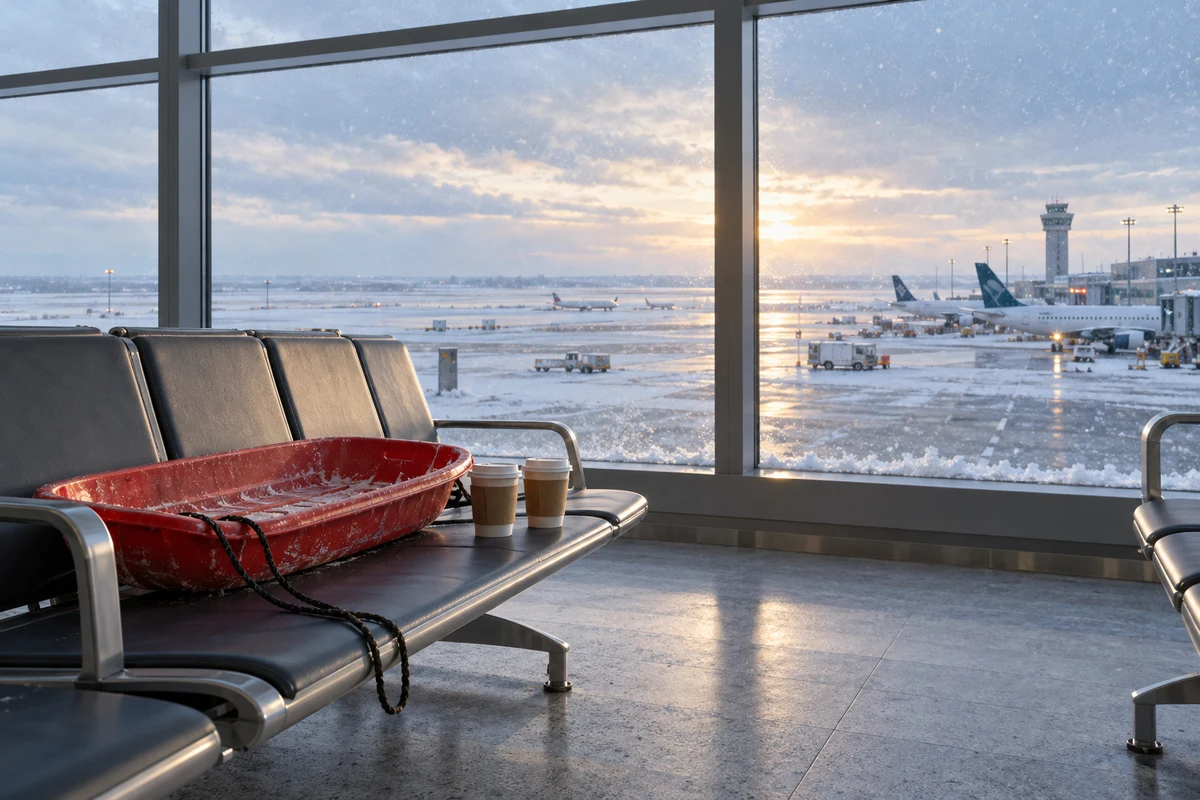
Calgary airport, a Tuesday in January. The doors slide open and the cold hits Craig like a wall. He makes a noise I’ve never heard a grown man make.
I’ll be standing by the exit with two coffees and the old red sled under my arm. He’ll laugh so hard he forgets he’s freezing.
Ninety minutes later the mountains will rise up in front of the windshield, and he’ll stop talking. Craig never stops talking.
By Thursday, he’ll be standing at the top of Sunshine in snow up to his knees, and he’ll finally have his answer.
It’s not like powdered sugar. It’s better.
“It’s not like powdered sugar. It’s better.”Noah
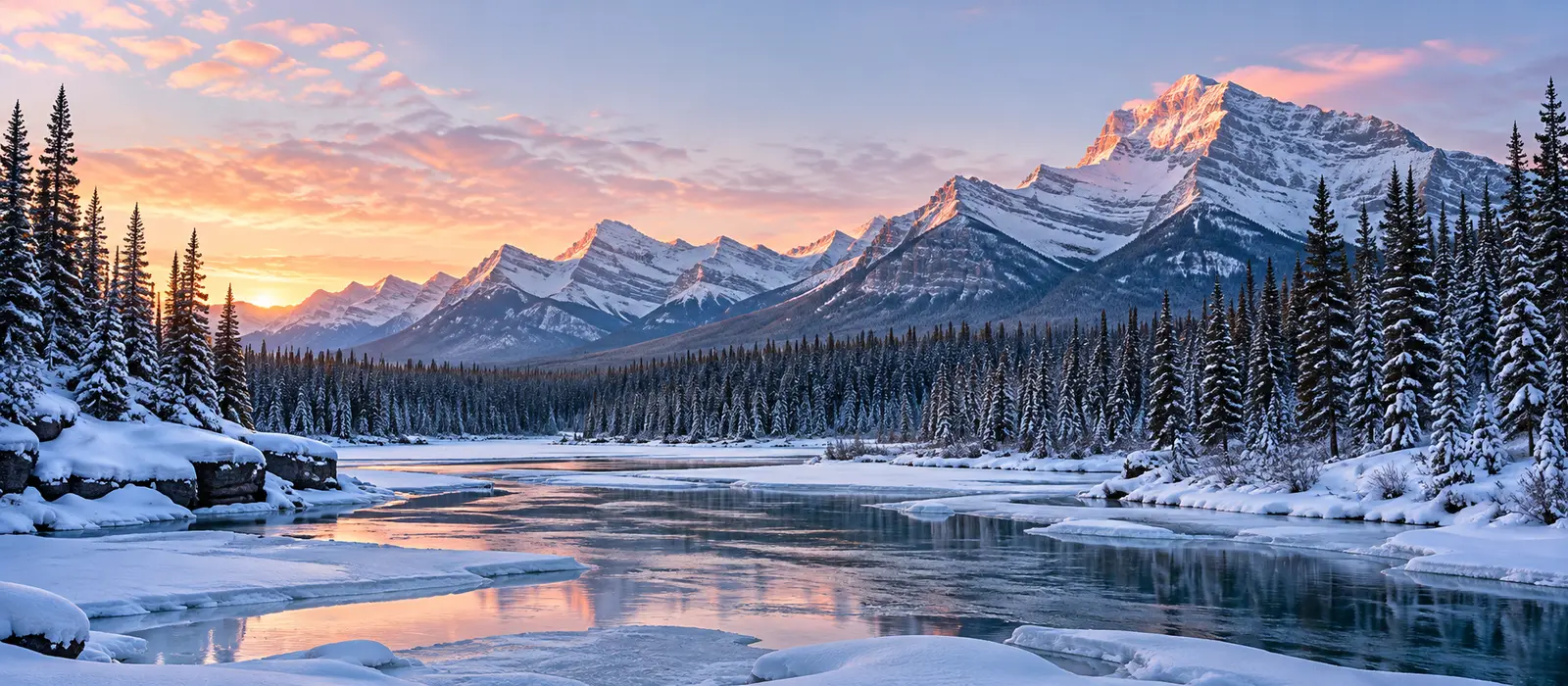
Your Banff winter starts with a plan
Our free planner gives you the budget, the booking timeline and the packing list, so the trip you keep talking about actually happens.
Prices are estimates checked October 2026. Some links are affiliate links; see our disclosure.