Affiliate disclosure: some links on this page are affiliate links. If you book through them we may earn a small commission at no extra cost to you. Read our disclosure.
Live report · Updated every month · For travellers from the US, Canada & Latin America · Mexico · Dominican Republic · Jamaica · the islands · Florida
Sargassum Seaweed Report: Mexico and the Caribbean, Month by Month
Where the seaweed is right now, which months are usually worst and clearest for 18 beach areas, and where to go instead, checked against the USF satellite outlook and Quintana Roo’s beach monitoring every month.
- 18beach areas rated
- 12months, each rated
- 138,000 tcollected in Quintana Roo (record)
- Nov–Febusually clearest
Quick answer · updated
Is there seaweed in Mexico and the Caribbean right now?
Mostly no: the 2026 season is ending. On November 11, Quintana Roo’s monitoring network rated 86 of its 100 northern beaches, from Cancún to Tulum, low, and 3 free of seaweed. The far south, around Xcalak, still had heavy patches. November to April is usually the clearest stretch on the Caribbean side. If you want no seaweed at all, pick Mexico’s Pacific coast, Aruba or Curaçao.
- From New York, Boston, Washington, Atlanta
- Punta Cana or Cancún from December to April. For a beach the seaweed misses all year, Aruba, a short nonstop.
- From Chicago, Dallas, Houston, Denver
- Cancún’s bay side or Cozumel’s west coast in winter. For no seaweed at all, Puerto Vallarta or Los Cabos.
- From Los Angeles, Seattle, Phoenix, San Francisco
- Los Cabos, Puerto Vallarta or Hawaii: Pacific beaches never get Atlantic sargassum, and the flights are shorter.
- From Calgary, Edmonton or Vancouver
- Puerto Vallarta or Los Cabos, with nonstops and no seaweed. Cancún is usually clear from December to April.
- From Toronto, Ottawa, Montréal
- Cancún or Punta Cana from December to April. In seaweed months, Aruba is the safer beach.
- From Latin America
- Aruba and Curaçao are short flights via Bogotá or Panama City and rarely get seaweed. From Mexico, the Pacific coast is a domestic flight. Check visas first.
- Usually worst
- May to August on the Caribbean side, peaking in June and July. Book refundable for those months.
- The day before you go
- Check the official monitoring map for your beach: seaweed can arrive or clear within days.
Sources: Quintana Roo’s Red de Monitoreo del Sargazo maps (November 11, 2026, as reported by Ruptura 360) and the University of South Florida outlook (October 31, 2026). Month ratings are our estimate. Check your beach.
What changed this month
December 2026 edition: the season is ending
What changed since the launch edition of November 2. Checked November 23, 2026.
- BetterQuintana Roo, Nov 11: 86 of 100 northern beaches low and 3 with no seaweed; 8 moderate, 3 abundant, none excessive.
- BetterTulum moves from Moderate to Low: the hotel zone north and south, the ruins beach and Punta Piedra were all low on Nov 11.
- BetterPuerto Morelos and Cozumel’s west coast move to Low. Cozumel’s exposed north and east (Punta Molas) still had abundant seaweed.
- EasingMahahual’s beaches were low on Nov 11, but the far south around Xcalak stayed excessive: 13 of 40 southern sites were abundant or worse.
- CheckUSF, Oct 31: the amount of seaweed more than halved again in October in most regions, though it is still high for the time of year.
Seaweed can arrive or clear within days. For the next 48 hours, check the official monitoring map before you head to the beach.
Seaweed by beach: right now and month by month
Filter by region or level, or type a beach. “Usually worst” and “usually calmest” come from the same pattern every recent year: seaweed builds in spring, peaks in June and July, and drops to its low point around November.
| Beach area | Right now | What we’re seeing | Usually worst | Usually calmest | Seaweed plan B |
|---|---|---|---|---|---|
| Cancún Hotel Zone (east-facing beaches)Mexico · Quintana Roo | Low | Low on Nov 11 from Las Perlas to Punta Nizuc, including Chac-Mool and Delfines. Playa Coral still abundant. | May–Aug | Nov–Feb | Bay-side beaches: Playa Las Perlas, Playa del Niño |
| Cancún bay side & Isla Mujeres north beachMexico · Quintana Roo | Low | Low on Nov 11, and Isla Mujeres’ Playa Norte, Playa Centro and Punta Sur too. | May–Aug | Sep–Apr | — |
| Playa del CarmenMexico · Riviera Maya | Low | Low on Nov 11 at every beach checked: Punta Esmeralda, Mamitas, Playa Caribe and Playacar. | May–Aug | Nov–Feb | Cozumel’s west coast (ferry) |
| Puerto Morelos & AkumalMexico · Riviera Maya | Low | Puerto Morelos centre and Punta Brava low on Nov 11; the north beach still moderate. | May–Aug | Nov–Feb | Cancún bay side |
| TulumMexico · Riviera Maya | Low | Low on Nov 11: the hotel zone north and south, the ruins beach and Punta Piedra. | Apr–Sep | Oct–Mar | Cenotes, or Cozumel’s west coast |
| Cozumel (west-coast resorts)Mexico · Quintana Roo | Low | Low on Nov 11 at Chankanaab, San Francisco, Palancar and El Cielo. The exposed north end still abundant. | May–Aug | Sep–Apr | — |
| Mahahual & Costa MayaMexico · southern Quintana Roo | Easing | Mahahual’s beaches low on Nov 11; Xcalak, farther south, still excessive. | Apr–Sep | Oct–Mar | Bacalar lagoon (fresh water) |
| Punta Cana & BávaroDominican Republic · east coast | Easing | Record arrivals in summer; easing with the seasonal decline (USF, Oct 31). November to March is usually minimal. | May–Aug | Nov–Feb | Resort pools; Saona Island day trip |
| Bayahibe & La RomanaDominican Republic · south coast | Easing | South-facing coasts held more seaweed this summer; easing now. | May–Aug | Nov–Feb | Catalina and Saona day trips |
| Montego Bay & NegrilJamaica · north & west coasts | Easing | North and west coasts usually get less than the south coast. | May–Aug | Sep–Apr | — |
| Barbados (west coast)Barbados | Easing | The calm west coast is the beach side; the Atlantic east coast takes the seaweed. | May–Aug | Sep–Apr | Stay on the west or south coast |
| St. Lucia (Caribbean-side resorts)St. Lucia | Easing | Resorts face the Caribbean; the Atlantic east coast gets the seaweed. | May–Aug | Sep–Apr | — |
| Grand Cayman (Seven Mile Beach)Cayman Islands | Easing | West-facing, so usually calmer than the east end. | May–Aug | Sep–Apr | — |
| ArubaAruba | Rarely affected | South of the main seaweed belt; the beaches face away from it. | May–Aug (still low) | Sep–Apr | Already your plan B |
| CuraçaoCuraçao | Rarely affected | Outside the main belt; beaches on the sheltered south and west coast (tourist board). | May–Aug (still low) | Sep–Apr | Already your plan B |
| Florida east coast & the KeysFlorida, USA | Easing | Record arrivals in spring; the season usually ends by autumn. | Jun–Jul | Nov–Feb | Gulf coast beaches (Loop Current keeps most away) |
| Puerto Vallarta, Los Cabos & MazatlánMexico · Pacific coast | Not affected | Pacific coast: sargassum doesn’t reach it. | None | All year | — |
| Hawaii & Guanacaste (Costa Rica)Pacific | Not affected | Pacific: no Atlantic sargassum. | None | All year | — |
No beach area matches. Try another region, or clear the search.
“Right now” is from official monitoring and local reports in the last 4 weeks, checked November 23, 2026. The monthly ratings are our estimate from the USF outlooks and each coast’s direction: a guide, not a guarantee. Seaweed can arrive in days.
Pick your travel month: where the water is usually clearest
Choose the month you’re going. We list every beach area from clearest to worst for that month. The grid below shows the whole year.
Ratings for a typical recent year. 2025 and 2026 were the two biggest seaweed years on record, so a quiet year can be better than this.
| Beach area | Jan | Feb | Mar | Apr | May | Jun | Jul | Aug | Sep | Oct | Nov | Dec |
|---|---|---|---|---|---|---|---|---|---|---|---|---|
| Cancún Hotel Zone (east-facing beaches)Mexico · Quintana Roo | Low | Low | Mod. | Mod. | High | High | High | High | Mod. | Mod. | Low | Low |
| Cancún bay side & Isla Mujeres north beachMexico · Quintana Roo | Low | Low | Low | Low | Mod. | Mod. | Mod. | Mod. | Low | Low | Low | Low |
| Playa del CarmenMexico · Riviera Maya | Low | Low | Mod. | Mod. | High | High | High | High | Mod. | Mod. | Low | Low |
| Puerto Morelos & AkumalMexico · Riviera Maya | Low | Low | Mod. | Mod. | High | High | High | High | Mod. | Mod. | Low | Low |
| TulumMexico · Riviera Maya | Mod. | Mod. | Mod. | High | High | High | High | High | High | Mod. | Mod. | Mod. |
| Cozumel (west-coast resorts)Mexico · Quintana Roo | Low | Low | Low | Low | Mod. | Mod. | Mod. | Mod. | Low | Low | Low | Low |
| Mahahual & Costa MayaMexico · southern Quintana Roo | Mod. | Mod. | Mod. | High | High | High | High | High | High | Mod. | Mod. | Mod. |
| Punta Cana & BávaroDominican Republic · east coast | Low | Low | Mod. | Mod. | High | High | High | High | Mod. | Mod. | Low | Low |
| Bayahibe & La RomanaDominican Republic · south coast | Low | Low | Mod. | Mod. | High | High | High | High | Mod. | Mod. | Low | Low |
| Montego Bay & NegrilJamaica · north & west coasts | Low | Low | Low | Low | Mod. | Mod. | Mod. | Mod. | Low | Low | Low | Low |
| Barbados (west coast)Barbados | Low | Low | Low | Low | Mod. | Mod. | Mod. | Mod. | Low | Low | Low | Low |
| St. Lucia (Caribbean-side resorts)St. Lucia | Low | Low | Low | Low | Mod. | Mod. | Mod. | Mod. | Low | Low | Low | Low |
| Grand Cayman (Seven Mile Beach)Cayman Islands | Low | Low | Low | Low | Mod. | Mod. | Mod. | Mod. | Low | Low | Low | Low |
| ArubaAruba | Clear | Clear | Clear | Clear | Low | Low | Low | Low | Clear | Clear | Clear | Clear |
| CuraçaoCuraçao | Clear | Clear | Clear | Clear | Low | Low | Low | Low | Clear | Clear | Clear | Clear |
| Florida east coast & the KeysFlorida, USA | Clear | Clear | Low | Low | Mod. | High | High | Mod. | Low | Low | Clear | Clear |
| Puerto Vallarta, Los Cabos & MazatlánMexico · Pacific coast | Clear | Clear | Clear | Clear | Clear | Clear | Clear | Clear | Clear | Clear | Clear | Clear |
| Hawaii & Guanacaste (Costa Rica)Pacific | Clear | Clear | Clear | Clear | Clear | Clear | Clear | Clear | Clear | Clear | Clear | Clear |
Where are you flying from?
Seaweed-smart beaches from the US, Canada and Latin America
Your airport decides which seaweed-free beach is an easy flight, and your passport decides the paperwork. We’ve opened the tab for where we think you are. Tap another one any time.
Coming from the US? Pick the beach by your airport
| Flying from | No seaweed, all year | Caribbean side, Dec–Apr | Plan B if it turns |
|---|---|---|---|
| East: New York, Boston, Washington, Atlanta | Aruba, Curaçao | Punta Cana, Cancún | Cancún bay side, Isla Mujeres north beach |
| Central: Chicago, Dallas, Houston, Denver | Puerto Vallarta, Los Cabos | Cancún, Cozumel | Cozumel’s west coast |
| West: Los Angeles, Seattle, Phoenix, San Francisco | Los Cabos, Puerto Vallarta, Hawaii | Cancún (a longer flight) | Stay on the Pacific |
Green: beaches that sargassum doesn’t reach, or rarely reaches. The Caribbean column is usually clear from December to April. Plan B is the closest beach that usually stays cleaner if the seaweed turns up.
- Passport book for every flight. The passport card works only at land and sea borders. Mexico, the Dominican Republic, Aruba and Curaçao need no visa on a US passport.
- Mexican Caribbean fee: Quintana Roo’s Visitax (285 pesos, about US$16 a person) is paid only on the official visitax.gob.mx site. Aruba’s ED card is online, with a US$20 fee from age 8.
- Seaweed isn’t a covered reason to cancel. Standard US trip insurance won’t pay out because a beach is brown. Only a Cancel For Any Reason upgrade does, and it usually returns part of the cost. See US insurance options.
- Coming home: each traveller can usually bring back US$800 of goods duty-free after 48 hours away. Aruba has US preclearance, so you clear US customs before you board.
My mom Sophia sells home décor in Edmonton, and Brooke, a customer’s daughter in Houston, messaged her a photo of a Tulum villa in June: a pool, a hammock, a deposit already paid. “Is the beach going to look like this?”
I put Tulum into the finder below. June is a High month in every recent year, and Tulum’s beaches face straight into the seaweed belt. The villa was refundable until 30 days out.
They kept the dates and moved the trip to Cozumel’s west coast, which faces the mainland, and booked a cenote morning as their plan B. Same week, same budget, and a beach that usually stays calm.
Coming from Canada? Pick the beach by your airport
| Flying from | No seaweed, all year | Caribbean side, Dec–Apr | Plan B if it turns |
|---|---|---|---|
| Calgary or Edmonton | Puerto Vallarta, Los Cabos | Cancún, Riviera Maya | Cancún bay side |
| Vancouver | Los Cabos, Puerto Vallarta, Hawaii | Cancún | Stay on the Pacific |
| Toronto, Ottawa, Montréal | Aruba | Cancún, Punta Cana | Cozumel’s west coast, Bayahibe |
Green: beaches sargassum doesn’t reach, or rarely reaches. Find the nonstops from your airport on our live sun-flights report.
- Passport: a valid Canadian passport, no visa for Mexico, the Dominican Republic, Aruba or Curaçao. Pay Mexico’s Visitax only on the official site.
- Seaweed isn’t covered. Canadian cancellation plans don’t pay for a seaweed beach. Book a package or room you can change for May to September trips. See Canadian options.
- The Pacific is the easy swap from the West: Calgary, Edmonton and Vancouver have nonstops to Puerto Vallarta and Los Cabos, where sargassum never arrives.
- Coming home: after 48 hours away you can usually bring back CA$800 of goods duty-free per person (CA$200 after 24 hours).
Coming from Latin America? Check the entry rules first
| Flying from | No seaweed, all year | Caribbean side, Dec–Apr | Plan B if it turns |
|---|---|---|---|
| Mexico City or Guadalajara | Puerto Vallarta, Los Cabos, Mazatlán | Cancún, Riviera Maya | Cancún bay side, Isla Mujeres |
| Bogotá, Panama City or Lima | Aruba, Curaçao | Punta Cana, Cancún | Bayahibe, Cozumel’s west coast |
| São Paulo, Buenos Aires or Santiago | Aruba, Curaçao (via Panama or Bogotá) | Punta Cana | Bayahibe |
Green: beaches sargassum doesn’t reach, or rarely reaches. Always confirm entry rules on the official pages before you book.
- Mexico (Cancún, the Pacific coast): Brazil, Ecuador, Peru and Venezuela passports need a Mexican visa, unless you hold a valid US, Canada, UK, Japan or Schengen visa or residence. Colombia, Chile, Argentina, Uruguay, Costa Rica and Panama don’t.
- Aruba and Curaçao: Aruba lets Peru, Bolivia, Cuba, Dominican Republic, Haiti and Jamaica passports in visa-free only with a multiple-entry US, Canada, UK or Schengen visa; Venezuela needs a visa. Check Curaçao’s rules for your passport before booking.
- Connecting through the US? You need a US visa (or ESTA, which only Chile qualifies for in Latin America) even to change planes. Routes via Panama City or Bogotá often avoid that.
- Health cover: national and private plans rarely pay abroad. See travel assistance options.
Illustrative story, not a real trip
Noah’s seaweed test: book the side of the island, not the island
Ella wanted Cancún for our anniversary. I wanted to know what the beach would look like when we got there, so I opened this report before I opened a single resort page.
March is a Moderate month on the east-facing Hotel Zone, and 2026 started early: seaweed reached Quintana Roo in January. But the bay side, a ten-minute ride away, was Low in every month we checked. So I priced two hotels: one on the bay, one on the open beach, both refundable until two weeks out.
Ayla asked if seaweed bites. I told her no, it just smells like old eggs when it sits on the sand. She decided she’d make a seaweed monster with it anyway. Lucas wanted to know if monsters can swim in the pool.
The week before we fly, I’ll check the monitoring map. If the open beach is brown, we switch hotels or take the ferry to Isla Mujeres. Either way, the trip doesn’t depend on the wind.
Does seaweed bite?Ayla, 4, planning her beach day

The 2026 season in numbers
Second-biggest year on record
- USF’s July outlook: 2026 is set to be the second-largest sargassum year, after 2025.
- About 9 million tonnes built up in the region from January to June 2026, against 8.3 million in the same months of 2025 and 1.2 million in 2024 (USF figures, reported July 9).
A record in Quintana Roo
- 138,000 tonnes collected on the state’s beaches by September 30, 67% more than in all of 2025 (92,782 t).
- Arrivals started in January this year, not March.
Falling fast since July
- USF, September 30: the amount in the belt halved from August, which had halved from July.
- Outlook: amounts keep dropping in every region “until possibly November”. Beaching continues, but not as badly as in summer.
- USF, October 31: the amount more than halved again in October in most regions, though still high for October.
What it means for your winter trip
- November to February are usually the clearest months on the Caribbean side.
- A huge year can mean an early start next spring: in 2026 seaweed reached Quintana Roo in January. We’ll flag it here as soon as the first outlook of 2027 comes out.
How to dodge the seaweed
Pick the right side of the island
- West- and bay-facing beaches (Cozumel’s west coast, Seven Mile Beach, Barbados’s west coast, Cancún’s bay side) usually stay cleaner.
- Aruba and Curaçao are rarely affected.
Ask the resort two questions
- Do they clear the beach every morning, and do they use an offshore barrier?
- Is there a good pool? On a bad day it saves the trip.
Book so you can change
- For May to September trips to the Caribbean side, book refundable or with a flexible package.
- Check the state monitoring map the week before you fly.
Or skip it entirely
- Mexico’s Pacific coast never gets sargassum: see Puerto Vallarta and Los Cabos.
- Find a nonstop on our live sun-flights report.
Book the pieces
Found a clear beach? Book it so you can still change
The trick with seaweed is keeping a way out. Lock in flights and a refundable room first, then add the plan B. Each button opens a partner site, so you can compare and book there.
Step 1 · Flights
Compare flight prices
Search every airline at once. A nonstop to a Pacific or ABC-island beach is often the simplest seaweed-proof plan.
Step 2 · Where you stay
Refundable hotels and resorts
Filter for free cancellation, then check which way the beach faces. A bay-side or west-facing beach usually stays cleaner.
Or steps 1 and 2 together
Flight + hotel deals
Some packages let you change the resort for a fee. Ask before you pay, if seaweed season worries you.
Step 3 · Getting around
Airport transfers
Pre-book the ride. If you might switch beaches, pick a base where a short taxi or ferry reaches your plan B.
Step 4 · Your plan B
Cenotes and island day trips
A cenote swim or a ferry to Isla Mujeres saves a seaweed day. Pick tours with free cancellation.
Step 5 · Phone data
Travel eSIM
You need data on the beach to check the monitoring map. Set it up at home, turn it on when you land.
We may earn a commission if you book through these links, at no extra cost to you. Prices and availability are set by each partner.
Essential gear for a seaweed-smart trip
What to pack for the beach, and for plan B
Start with what you already own. These 16 cover beach days, cenote and pool days when the sea turns, boat trips, and the airport days in between. Jump to:
Beach and sun
For the beach days, seaweed or not.
Swipe to see all 4 →
Sun
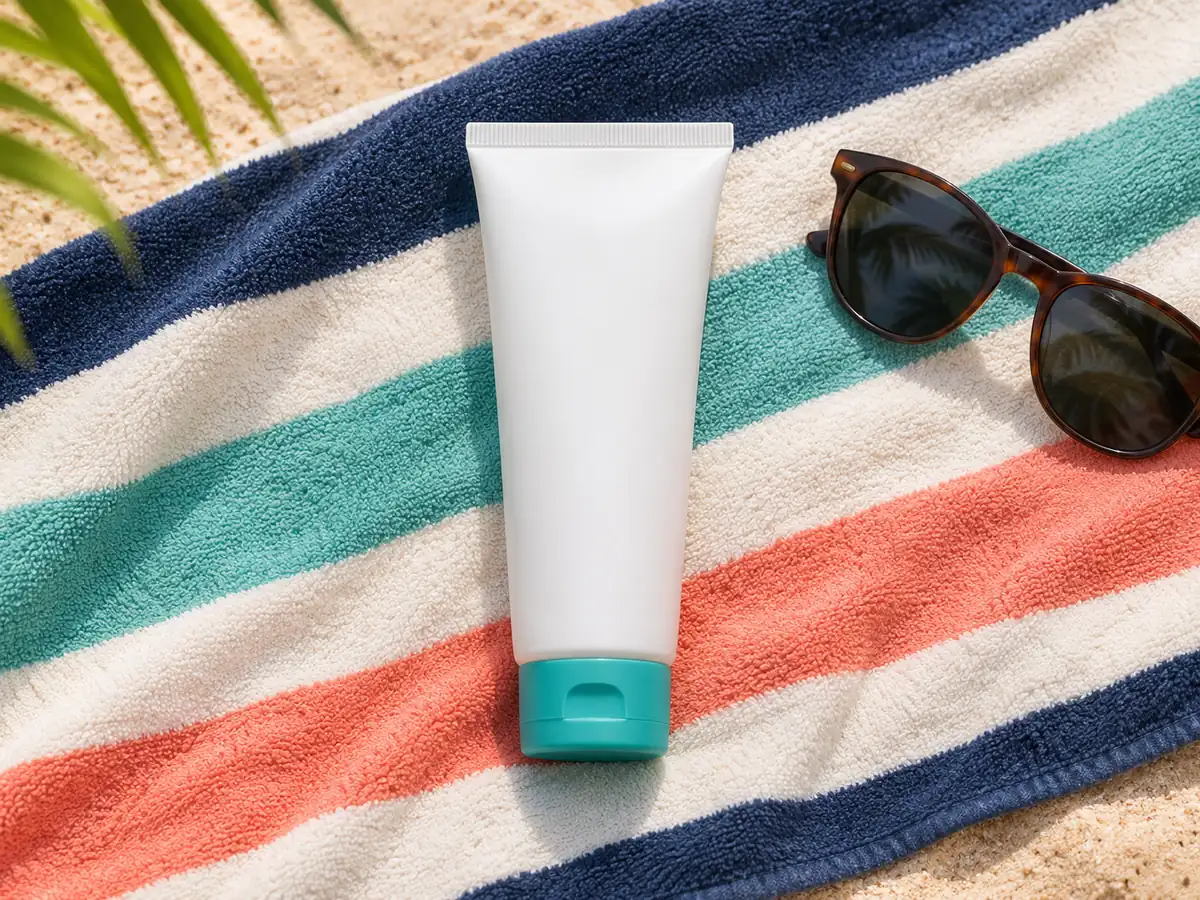
Reef-safe sunscreen
Why you need it: Caribbean sun burns winter skin fast. Mineral sunscreen protects you and the reef, and many snorkel and cenote tours ask for it.
Sun
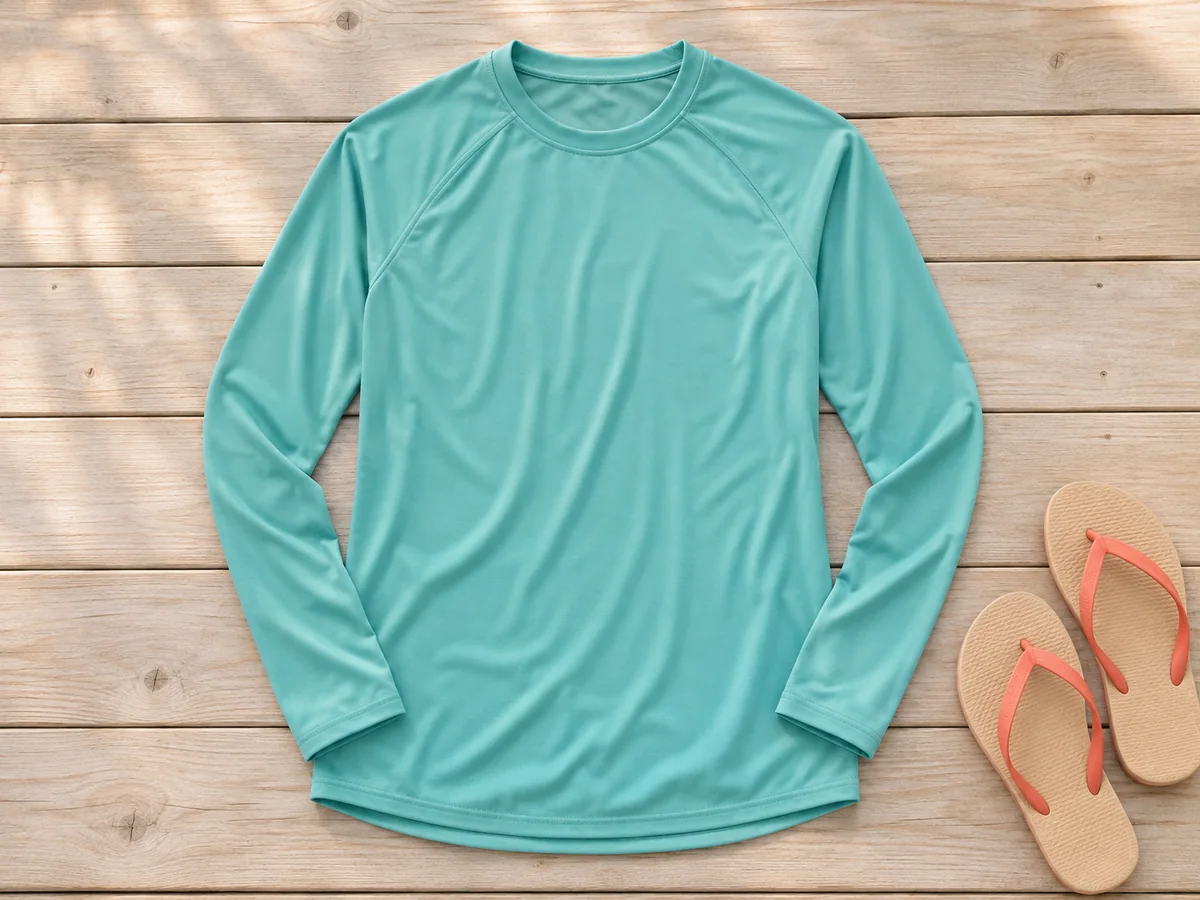
UPF 50 sun shirt
Why you need it: A long-sleeve sun shirt also keeps floating bits of seaweed off your skin when you swim through a patch.
Feet
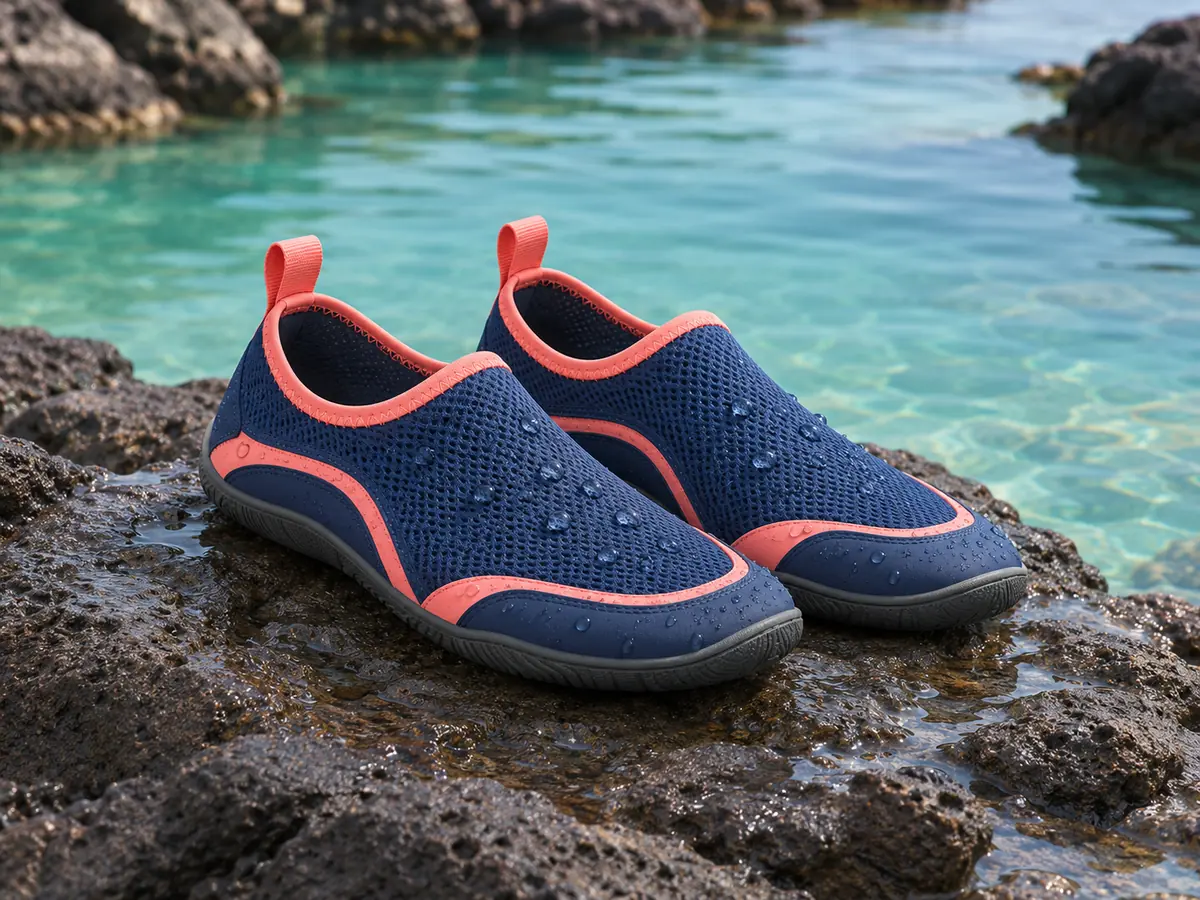
Water shoes
Why you need it: Washed-up seaweed hides shells and coral bits, and cenote steps are slippery. Water shoes save your feet on both.
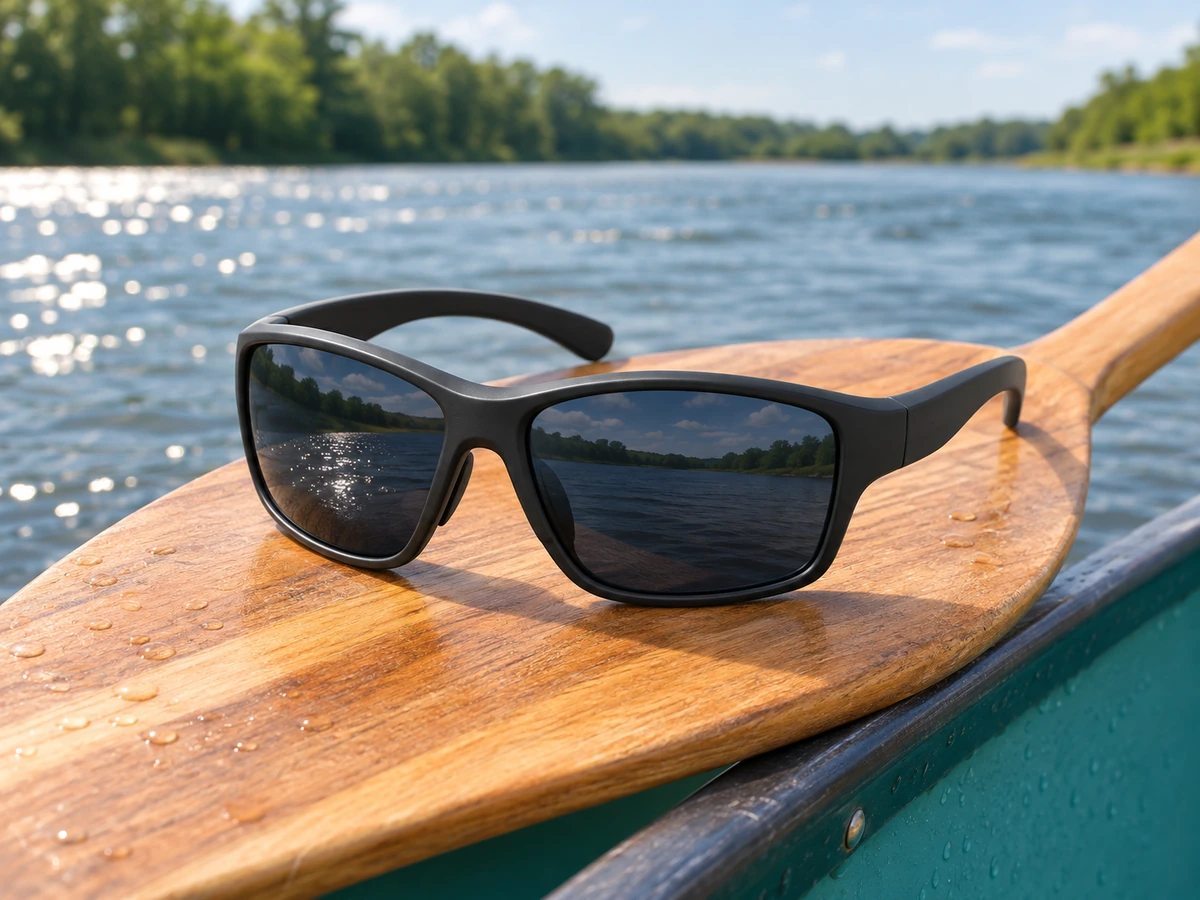
Eyes
Polarized sunglasses
Why you need it: Polarized lenses cut the glare on the water, so you can spot a seaweed line offshore before you wade in.
Plan B: cenotes and pool days
For the days the sea turns brown.
Swipe to see all 4 →

Cenotes
Low-profile snorkel mask
Why you need it: Cenotes are crystal clear and seaweed-free. Your own mask fits better than a rental one and doesn’t leak on a long swim.

Towel
Quick-dry microfiber towel
Why you need it: Cenotes and day trips don’t hand out towels. A microfiber one dries in an hour and packs to the size of a water bottle.

Kids
Kids’ swim goggles
Why you need it: On a seaweed day, the pool becomes the beach. Goggles keep kids happy for hours more in the water.

Bugs
Insect repellent
Why you need it: Cenotes sit in the jungle, and sand flies gather near rotting seaweed. A travel-size repellent fits a day bag.
Boat days and the Pacific
For island ferries, snorkel boats and Pacific whale season.
Swipe to see all 4 →
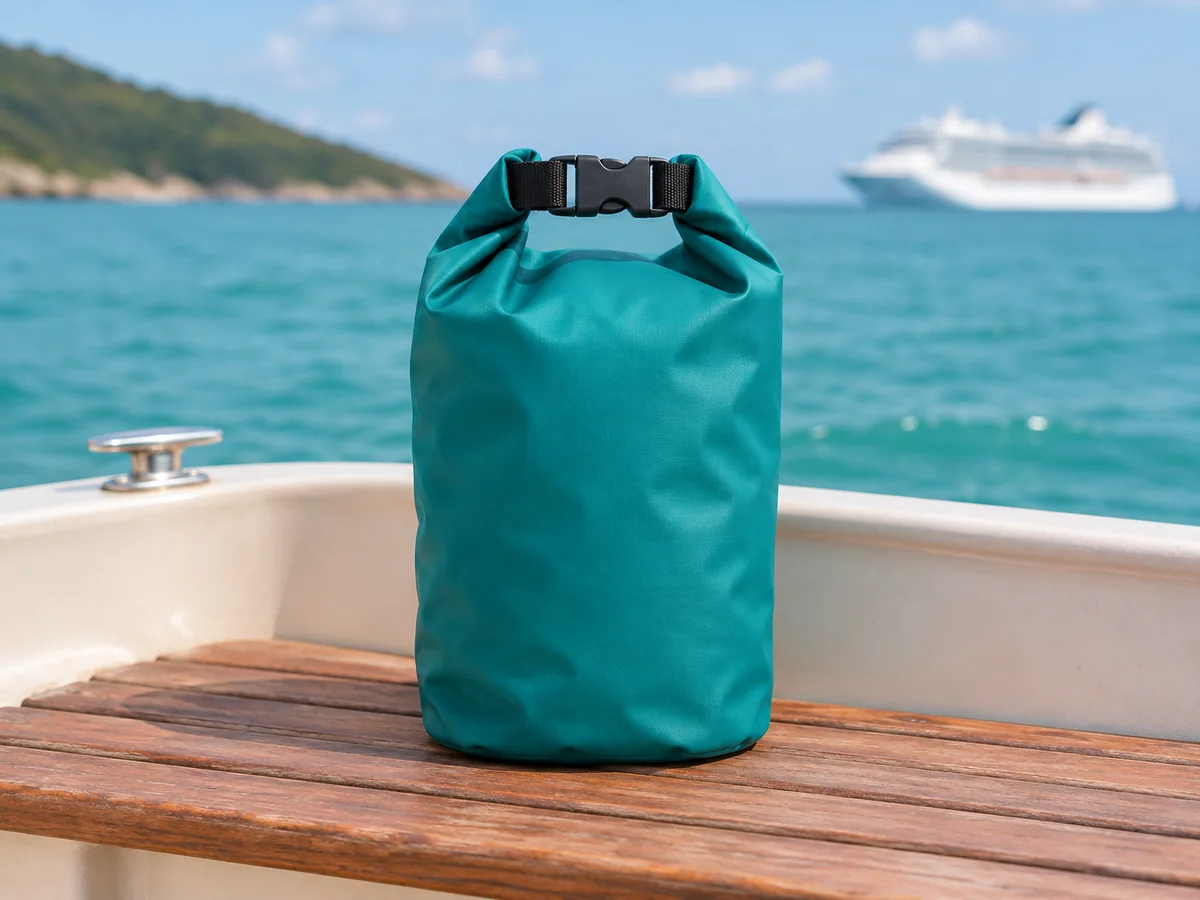
Spray
Roll-top dry bag
Why you need it: The ferry to Isla Mujeres or Cozumel gets wet. A 10 L dry bag keeps your phone, wallet and a dry layer safe.
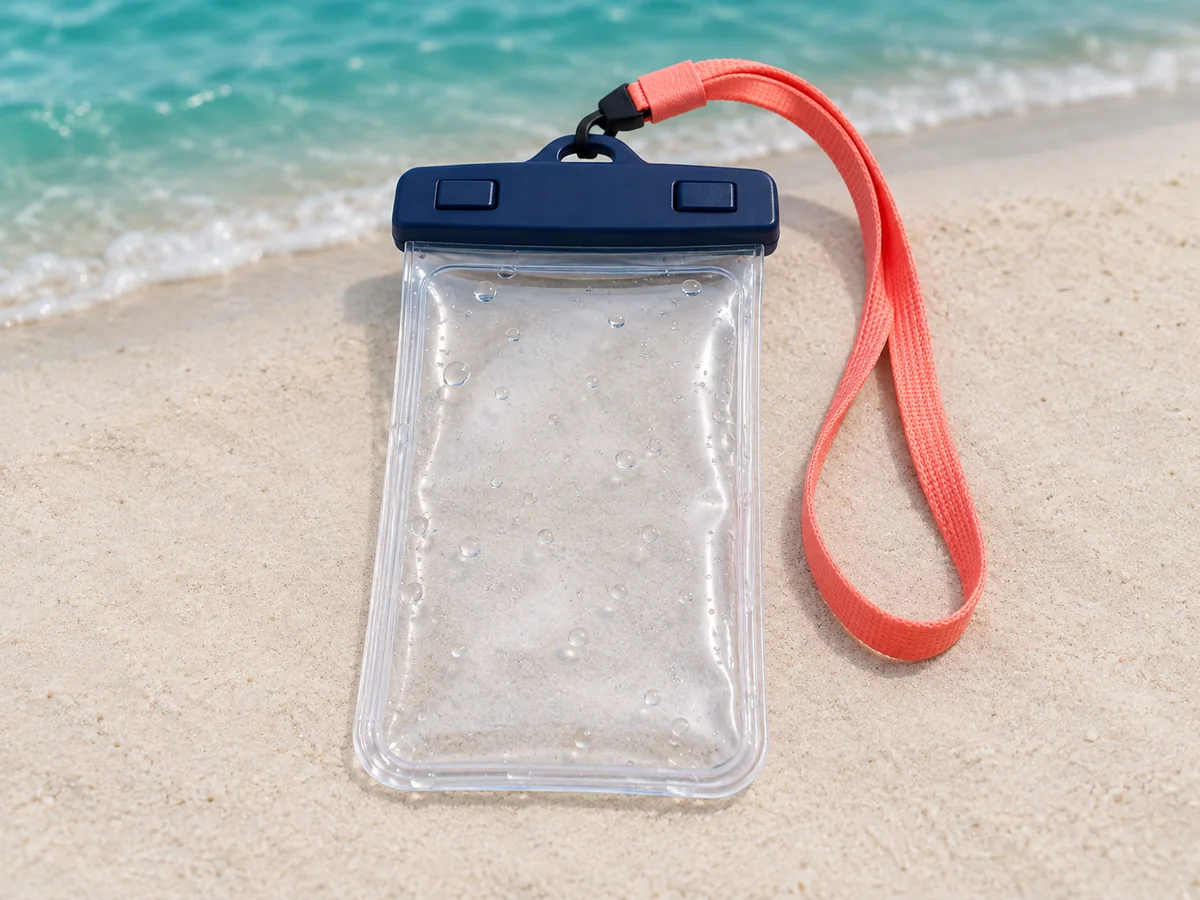
Phone
Waterproof phone pouch
Why you need it: Take photos in a cenote or on a boat without risking your phone, and check the monitoring map on a wet beach.
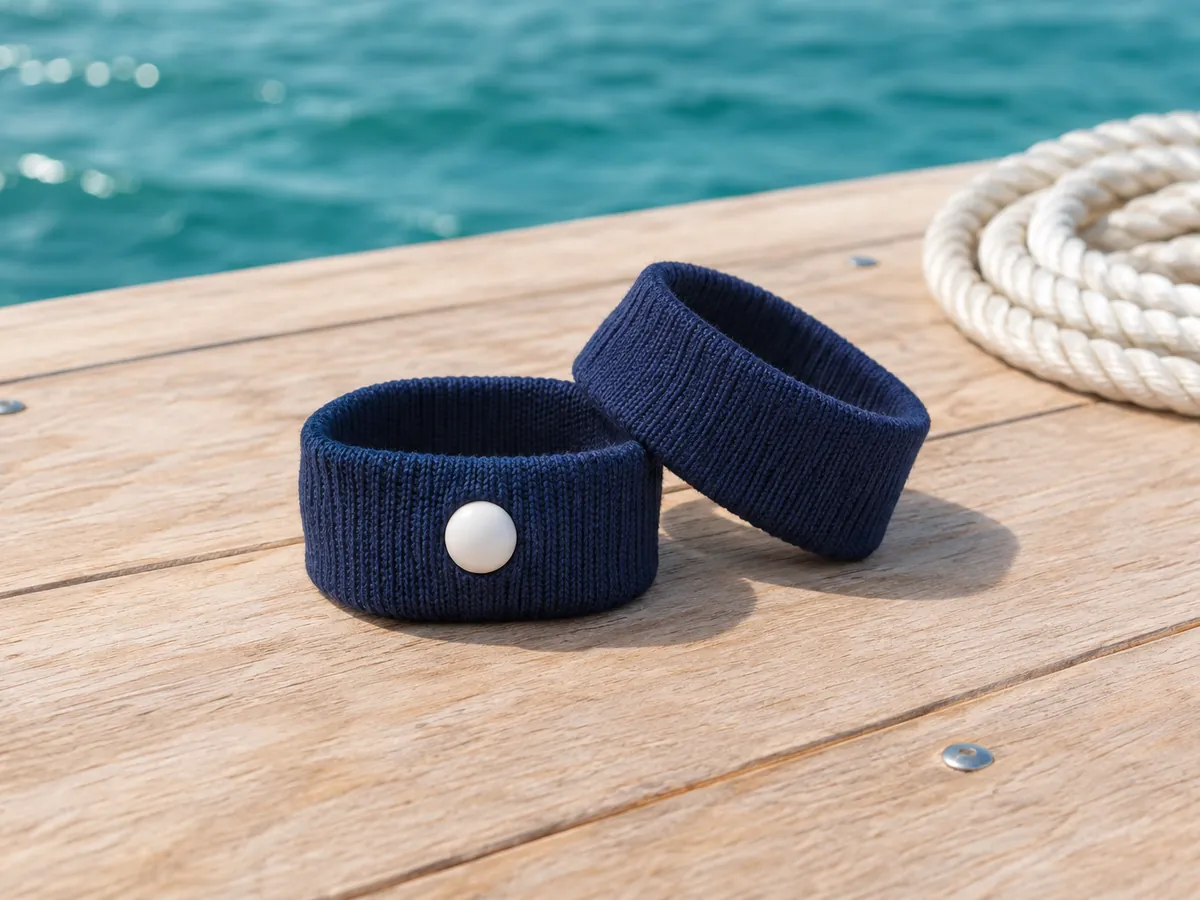
Boat days
Motion sickness bands
Why you need it: Island ferries cross open water. Drug-free wristbands help some people and don’t make you sleepy.
Whales
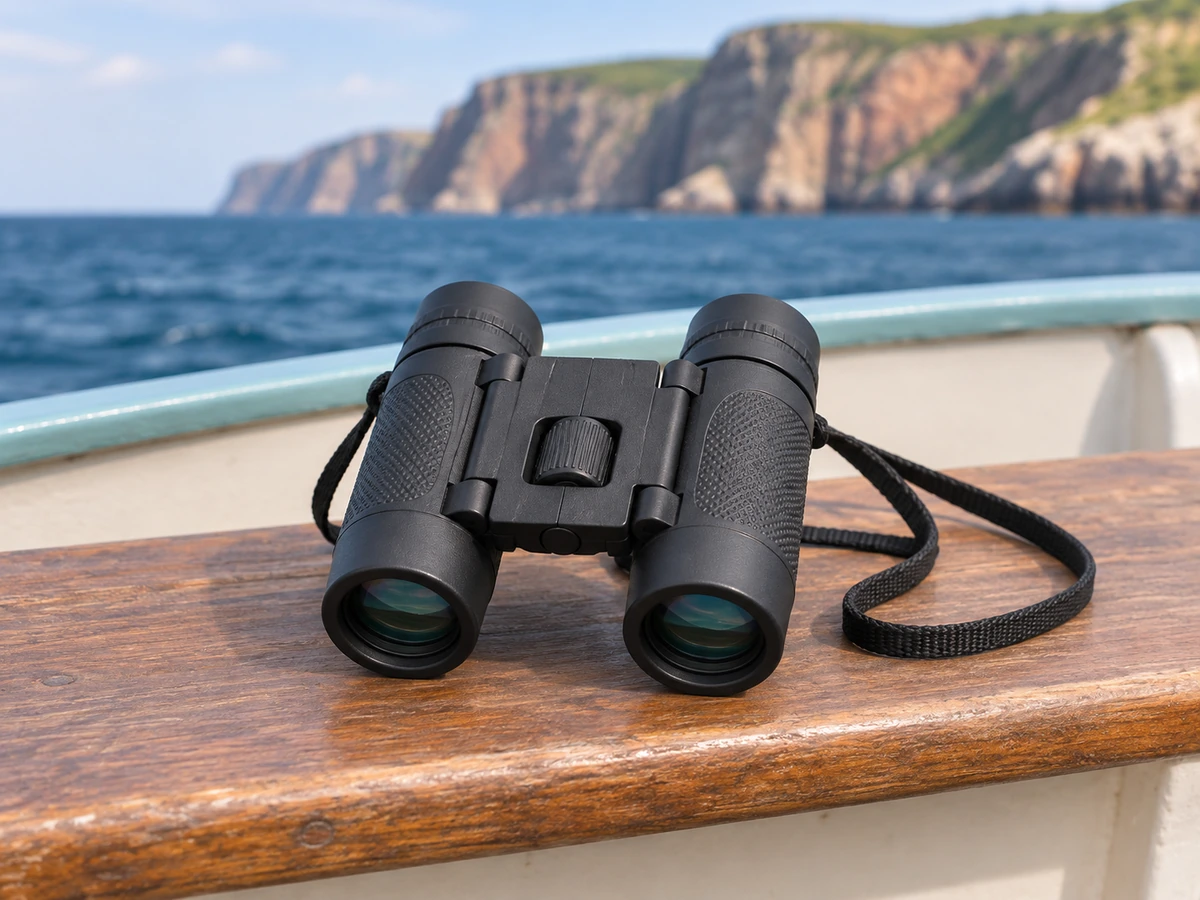
Compact binoculars
Why you need it: Swapping to the Pacific? Humpbacks winter off Los Cabos and Puerto Vallarta, and a compact 8x pair follows the spouts.
Every travel day
For airports, delays and documents, on any trip.
Swipe to see all 4 →

Documents
Travel document wallet
Why you need it: Passports, the Visitax QR code, the Aruba ED card and boarding passes in one place, so check-in takes minutes.
Power
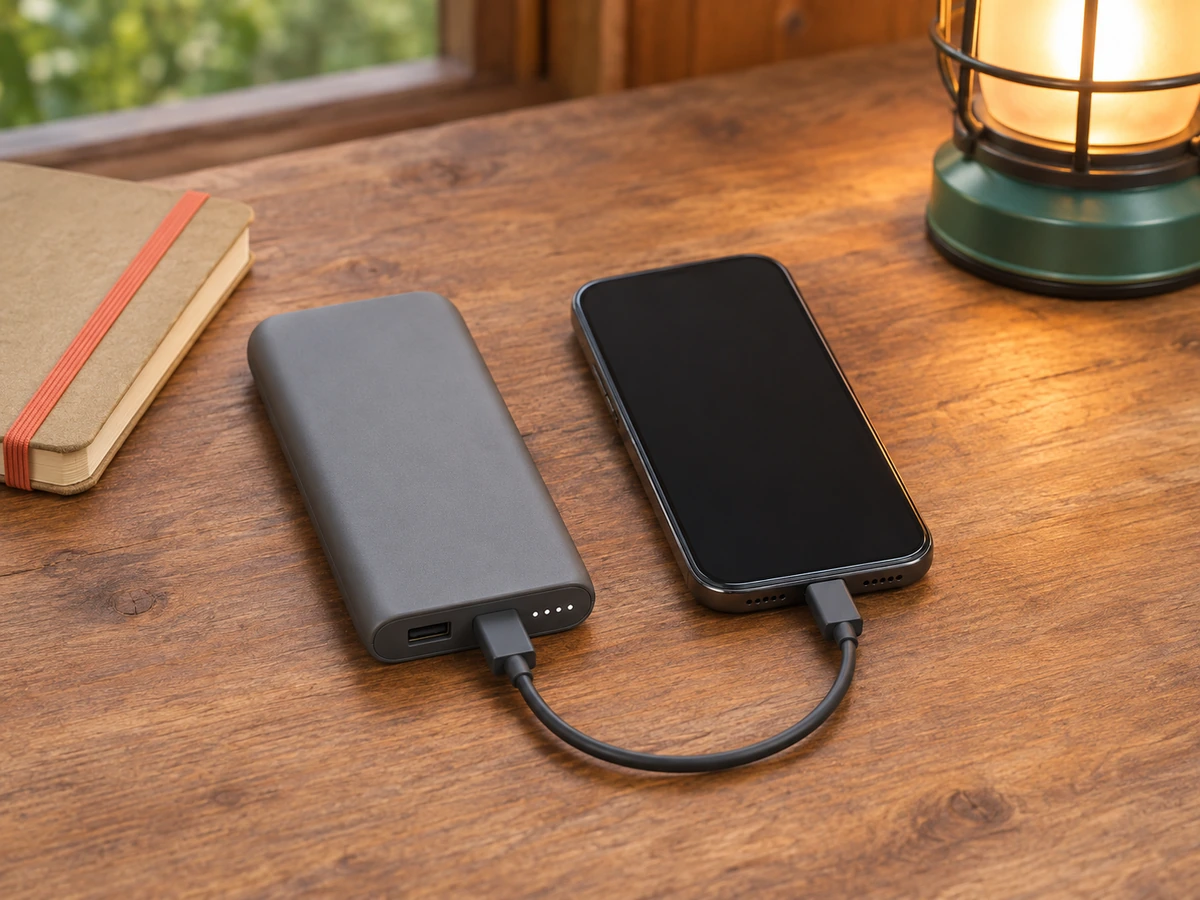
Slim power bank
Why you need it: Your phone is your boarding pass and your seaweed map. Power banks go in carry-on only, two at most.
Bags
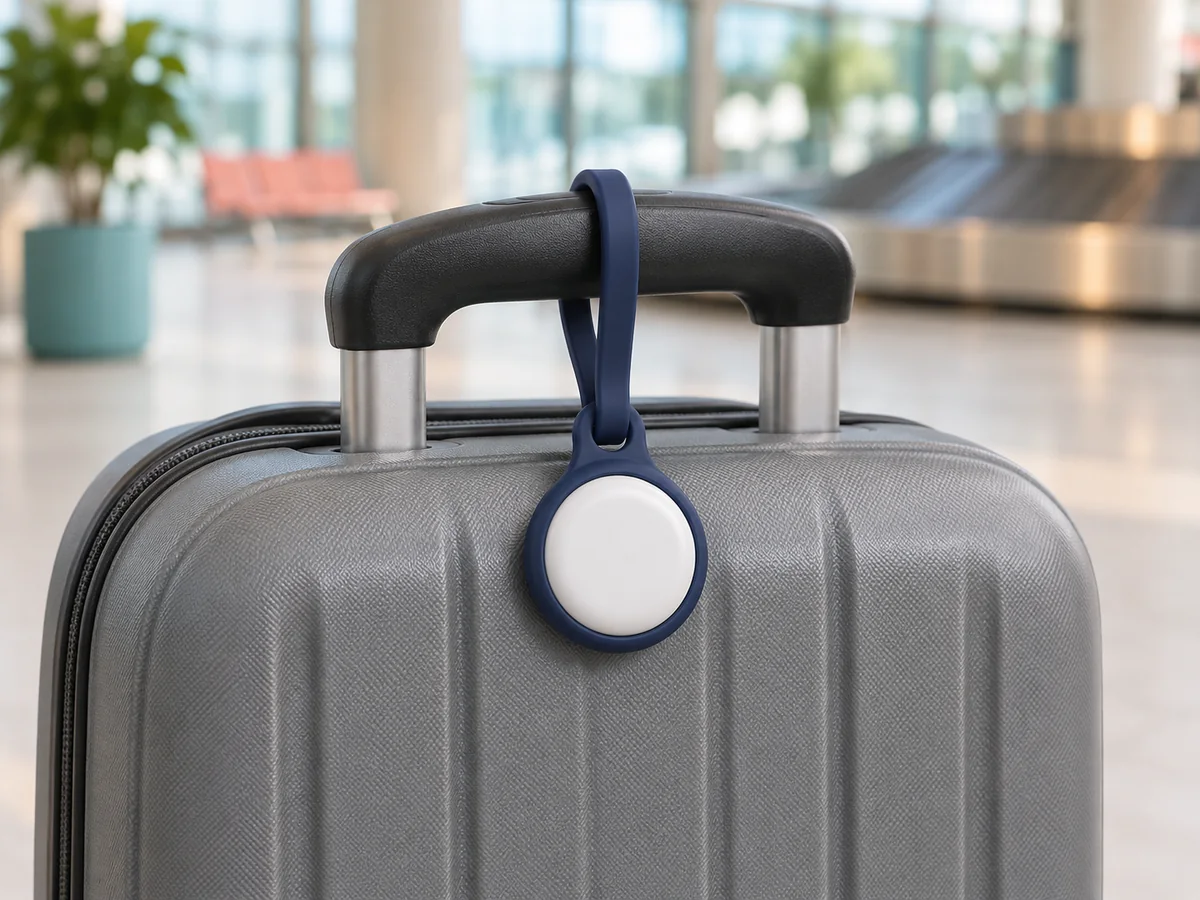
Luggage tracker
Why you need it: If you change hotels mid-trip to dodge the seaweed, a tracker in your checked bag tells you where it is.
Health
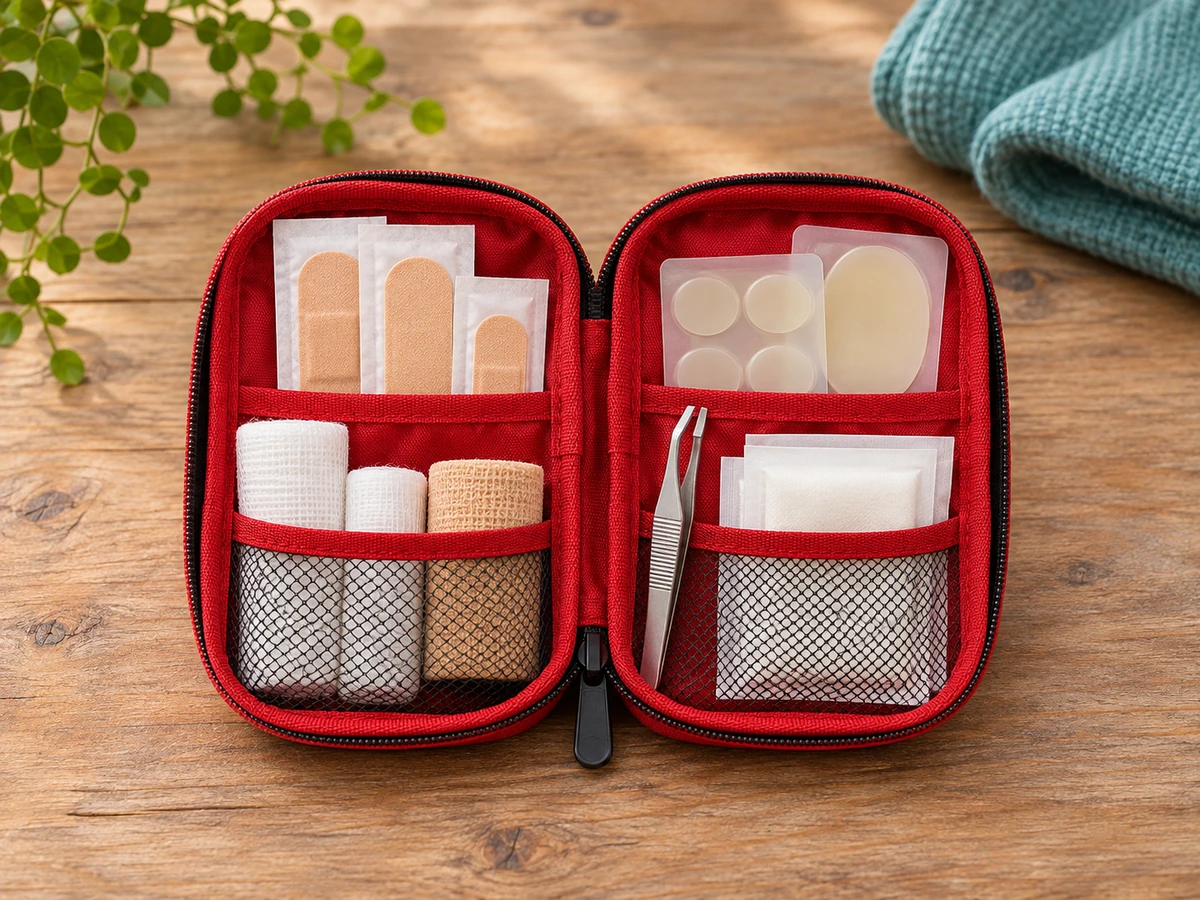
Travel first-aid kit
Why you need it: A coral scrape, a jellyfish sting or an upset stomach shouldn’t cost a resort-shop price. Pack your usual tablets too.
Product photos are illustrations, not the exact items. We don’t list prices because they change daily. As an Amazon Associate I earn from qualifying purchases.
Travel insurance
Travel insurance and seaweed: what it covers, and what it doesn’t
Most travellers find this out too late: seaweed on the beach is not a reason any standard policy will pay you to cancel. Insurance still matters on a Caribbean trip, just for different things.
What to know before you buy
- Seaweed usually isn’t coveredA brown beach isn’t a covered reason to cancel. Only a Cancel For Any Reason upgrade (sold in the US) pays, and usually only part of the cost.
- Hurricane season overlapsJune to November is hurricane season, the same months as the worst seaweed. Buy soon after booking: storm cover usually works only if you buy before a storm is named.
- Your home plan pays little abroadMedicare pays nothing outside the US, provincial plans pay a small part, and Latin American plans rarely pay. A private hospital in Mexico or the Caribbean often wants payment first.
- Plan B days are activeCenote swims, snorkel boats and ferries cause claims. Check your activities are covered before you buy.
Your options, by where you live
Compare many US plans
InsureMyTrip
Compare trip cancellation and travel medical plans from many US insurers on one page. Filter for Cancel For Any Reason, a high medical limit and hurricane cover.
Compare US plansMedical only, any age
VisitorsCoverage
Travel medical plans for US residents going abroad, including plans for travellers over 65 to sit alongside Medicare or Medigap.
Get a quoteCanadian insurer
TuGo
Travel medical, cancellation and all-in plans built for Canadians, with family plans for a week in Mexico or the Caribbean.
Get a TuGo quoteActive days
World Nomads
Good if snorkelling, cenote swims or boat trips fill your plan B. Check that your activities are listed, and the evacuation limit.
Get a quotePopular in Latin America
Assist Card
Travel assistance plans sold across Latin America, with emergency medical cover and a 24/7 help line in Spanish and Portuguese.
See plansMany nationalities
SafetyWing
Simple travel medical cover you can buy online from most countries. Check that it sells to residents of yours, and the limits.
Get a quote- Whether “Cancel For Any Reason” is offered, and the share it pays back.
- Hurricane cover: it usually works only if you buy before a storm is named.
- The medical and evacuation limits, and how the insurer pays a foreign hospital.
- Activities: snorkelling, cenote swims and boat trips.
- Trip delay: after how many hours it pays, and how much a night.
We may earn a commission if you buy through these links, at no extra cost to you. We don’t sell insurance or give insurance advice: read the policy wording. Our insurance checklist.
US credit card options
US travel credit cards: what they cover on a Caribbean trip
If you live in the US, start here. If you’re Canadian, your cards are just below.
Swipe to see all 4 →
US$95 a year
Chase Sapphire Preferred
- Trip cancellation
- US$10,000/person
- Trip delay
- US$500 after 12 h
- Emergency medical
- Not included
US$395 a year
Capital One Venture X
- Trip cancellation
- US$2,000/person
- Trip delay
- US$500 after 6 h
- Emergency medical
- Not included
US$795 a year
Chase Sapphire Reserve
- Trip cancellation
- US$10,000/person
- Trip delay
- US$500 after 6 h
- Evacuation
- Up to US$100,000
US$895 a year
American Express Platinum
- Trip cancellation
- US$10,000/trip
- Trip delay
- US$500 after 6 h
- Evacuation
- Global Assist
From the issuers’ published benefit summaries as reported by NerdWallet, Upgraded Points and Squaremouth, November 2026. Most cover you only if you charge the trip to the card, and terms apply. In Latin America? Ask your bank what your card’s travel assistance covers. We may earn a commission if you apply through these links. This isn’t financial advice: compare the full card terms and the interest rate.
Canadian credit card options
Canadian credit cards that include travel insurance
A one-week beach trip fits inside every card below, so the right card can replace a separate medical policy. Most only cover you if you charge the trip to the card.
Swipe to see all 4 →
CA$150 a year
Scotiabank Passport Visa Infinite
- Emergency medical
- Up to 25 days (under 65)
- Trip cancellation
- Up to CA$1,500
- Flight delay
- CA$500
CA$139 a year
TD Aeroplan Visa Infinite
- Emergency medical
- Up to 21 days (under 65)
- Trip cancellation
- Up to CA$1,500
- Flight delay
- CA$500
CA$120 a year
RBC Avion Visa Infinite
- Emergency medical
- Up to 15 days (under 65)
- Trip cancellation
- Up to CA$1,500
- Flight delay
- CA$500
CA$150 a year
BMO Ascend World Elite Mastercard
- Emergency medical
- Up to 21 days
- Trip cancellation
- Up to CA$1,500
- Flight delay
- CA$500
From the issuers’ published summaries as reported by Milesopedia and Loans Canada, November 2026. Most cards cut medical cover to 3 or 4 days at 65 and over. Check that your spouse and children are covered. We may earn a commission if you apply through these links. This isn’t financial advice: compare the full card terms and the interest rate.
Free planner
Plan a seaweed-smart beach trip
The free planner has a trip-comparison sheet with a beach plan B, a booking timeline that flags refundable deadlines, and a beach packing list.
- Compare two beaches side by side
- Note each refundable deadline
- Beach and cenote packing list
This report is updated on the 1st of every month. Bookmark it and check back the week before you fly.
Get the free plannerIs there sargassum in Cancún right now?
Very little. On November 11, 2026, Quintana Roo’s monitoring rated almost every Cancún beach low, from Playa Las Perlas to Punta Nizuc; only Playa Coral still had abundant seaweed. Playa del Carmen and Tulum were low too. The season is at its yearly low point.
When is sargassum season in Mexico and the Caribbean?
Seaweed usually builds in spring, peaks in June and July, starts falling in July and reaches its low point around November. November to February are usually the clearest months. In 2026 it reached Quintana Roo as early as January.
Was 2026 a record sargassum year?
For Quintana Roo, yes: 138,000 tonnes were collected by September 30, 67% more than in all of 2025. Across the region, USF expected 2026 to be the second-largest year on record, after 2025, although the first half of 2026 was bigger than the first half of 2025.
Which Caribbean beaches don’t get sargassum?
Aruba and Curaçao are rarely affected: they sit south of the main seaweed belt and their beaches face away from it. West- and bay-facing beaches elsewhere, such as Cozumel’s west coast, Seven Mile Beach in Grand Cayman and Barbados’s west coast, usually stay cleaner. Mexico’s Pacific coast, Hawaii and Costa Rica’s Pacific beaches never get it.
Is sargassum dangerous?
Floating seaweed isn’t harmful, but swimming through thick mats isn’t pleasant. The problem is old seaweed rotting on the sand: it smells of rotten eggs (hydrogen sulphide). People with asthma or breathing problems, babies and pregnant women should keep away from large rotting piles.
Is Punta Cana or Cancún better for avoiding seaweed?
Neither is safe in summer: both faced record arrivals in 2026. In winter both are usually clear. If you go between May and September, Cancún’s bay-side beaches, Cozumel’s west coast, or Aruba are safer bets.
Do resorts clean up the seaweed?
Most big resorts rake their beaches every morning, and some use floating barriers offshore. Mexico’s navy also runs barriers and collection boats. Ask your resort before you book, and choose one with a good pool for the bad days.
How often is this page updated?
On the 1st of every month, after the University of South Florida publishes its monthly outlook, plus Quintana Roo’s beach monitoring. The date at the top shows the last check.
Does travel insurance cover sargassum?
Usually not. Seaweed on the beach isn’t a covered reason to cancel on standard US or Canadian policies. A Cancel For Any Reason upgrade, sold by some US insurers, pays back part of the cost for any reason. Insurance still matters for medical care, hurricanes and delays.
Where can I go from the US to avoid seaweed completely?
Mexico’s Pacific coast (Puerto Vallarta, Los Cabos, Mazatlán) and Hawaii never get Atlantic sargassum, and Aruba and Curaçao are rarely affected. From the East Coast, Aruba is a short nonstop. From the middle and West of the US, Puerto Vallarta and Los Cabos are the easy picks.
Will there be seaweed in Cancún in December and January 2027?
Usually very little: December to February are among the clearest months. But in 2026 seaweed reached Quintana Roo as early as January, so check this report and the official monitoring map the week before you fly.
How do I check the seaweed the day before I go?
For Cancún, the Riviera Maya, Tulum and Mahahual, check Quintana Roo’s Red de Monitoreo del Sargazo traffic-light map, updated most days. For the bigger picture, the University of South Florida’s Sargassum Watch shows satellite images. A beach rated low isn’t the same as free of seaweed.
How we check
Satellite outlook first, then the beaches
Each month we read the University of South Florida’s sargassum outlook (satellite data for the whole Caribbean and the Gulf), then the latest beach monitoring and local reports for each area.
“Right now” uses reports from the last 4 weeks. The month-by-month ratings are our estimate from the outlooks and the direction each beach faces. We never take money from resorts to rate a beach.
Sources we check every month
- USF: Outlook of 2026 Sargassum blooms (Oct 31, 2026) · October amounts and outlook
- Ruptura 360: Quintana Roo sargassum traffic-light maps (Nov 11, 2026) · beach levels, north and south
- Ruptura 360: the south has the highest levels (Nov 5, 2026) · south vs north
- USF / CARICOOS: Outlook of 2026 Sargassum blooms (Sep 30, 2026) · amounts and outlook
- CARICOOS Sargassum Tracker · monthly outlook and maps
- St. Thomas Source: USF outlook shows seasonal decline (Aug 3, 2026) · 2026 vs 2025, low point timing
- Heraldo de México: sargassum traffic light, Cancún, Playa del Carmen, Tulum (Oct 28, 2026) · beach levels
- Por Esto: 2026 record, 138,000 tonnes collected (Oct 1, 2026) · Quintana Roo totals
- Por Esto: Navy reports low sargassum (Oct 8, 2026) · traffic-light scale, beach counts
- Riviera Maya News: levels drop, red alert remains (Aug 10, 2026) · hardest-hit areas
- Dominican Today: record sargassum in Punta Cana (Jul 9, 2026) · Jan–Jun totals
- Curaçao Tourist Board: is sargassum a problem? · why Curaçao is rarely hit
- WLRN: record sargassum in Southeast Florida and the Keys (May 26, 2026) · Florida
Plan a seaweed-smart trip
Our destination guides price the whole trip all in, from your city.