
Affiliate disclosure: some links on this page are affiliate links. If you book through them we may earn a small commission at no extra cost to you. Read our disclosure.
Wave season, roughly January to March, is when cruise lines run their biggest sales of the year. It’s also when headlines work hardest: “60% off”, “kids sail free” and “free drinks” can be great deals or clever markups. Here’s what each wave season offer is really worth once taxes, gratuities and service charges are counted, plus a decoder that tells you whether the deal in your inbox is real.
Cruises · Wave season 2027 · Checked November 2026
Wave Season Cruise Deals 2027: Which Ones Really Save You Money
Every wave-season offer, decoded: what “60% off”, “kids sail free” and “free drinks” are really worth once taxes, gratuities and service charges are counted, plus a decoder for the deal in your inbox.
- Deal decoder
- 8 deal types explained
- 2026 gratuities by line
- For US, Canadian & Latin American cruisers
- Checked November 2026
Quick answer · updated
Which wave season 2027 cruise deals really save money?
The ones you can measure: a lower fare, instant savings and onboard credit. “60% off the second guest” is only 30% off the cabin, and only if the fare wasn’t raised first. “Free drinks” still carries an 18 to 20% service charge. Compare the all-in price on board, never the size of the discount.
- Our test: 3 ads, same week
- “60% off” US$2,784 · “free drinks” US$3,120 · plain fare + US$200 credit US$2,604 (2 adults, 7 nights, all in on board)
- When to book
- Early offers from Black Friday (November 27, 2026); peak sales in January 2027; many end March 31. Book refundable and reprice before final payment.
- From the US
- Most winter Caribbean cruises leave from Florida, Texas or New York. A closed-loop cruise accepts a birth certificate and ID, but a passport book is the safe choice.
- From Canada
- Fares and onboard spending are in US dollars. Use a card with no foreign transaction fee, and fly in the day before you sail.
- From Latin America
- Boarding at a US port needs a US visa (or ESTA for Chilean passports). No visa? Look at ships that start in Colón, Cartagena or Brazil.
The pictures on this page are AI illustrations, not photos of named ships. The family story is illustrative, and its three offers are examples, not real ads. No cruise line paid to be on this page.
Wave season in one minute
- WhenMainly January to March 2027. Early offers start around Black Friday (Nov 27, 2026). Many end March 31.
- The ruleCompare what you’d pay, all in, never the size of the discount.
- 60% off guest twoThat’s 30% off the cabin’s fares, and only if the fare wasn’t raised first.
- Kids sail freeTheir fare is free. Taxes, fees and gratuities still run about US$250 to US$300 a child per week.
- Free drinksYou still pay an 18 to 20% service charge on the package’s full price. It’s great for heavy drinkers, often a loss for light ones.
- Onboard creditThe most honest perk: real money with no service charge, if you spend it.
- RefundableBook refundable when the deal launches, then reprice if it drops before final payment.
- Age ruleOn most big lines, someone in each cabin must be 21 or older.
Where are you sailing from?
Wave season cruise deals for US, Canadian and Latin American travellers
The deal is the same for everyone. The paperwork, the currency and the way you get to the port are not. We’ve opened the tab for where we think you are.
Booking a wave season cruise from the US
- Drive, don’t fly, if you can: most winter Caribbean sailings leave from Miami, Fort Lauderdale, Port Canaveral, Tampa, Galveston, New Orleans or New York. Driving to the port removes the biggest risk of all: a delayed flight on sailing day.
- Papers: on a closed-loop cruise (it starts and ends at the same US port), a US citizen can sail with an original birth certificate and a government photo ID. A passport book is still the safe choice: you need one to fly home if you miss the ship or are sent to hospital in a foreign port.
- Health cover: Medicare doesn’t cover the ship’s medical centre once you’re more than 6 hours from a US port, or care in a foreign port. See US insurance options.
- Price-drop rule: US cruise lines don’t owe you the new price automatically. On a refundable fare, call before final payment and ask for the reprice or the difference as onboard credit.
Ryan’s friend Rosa used to live in Edmonton; now she’s in Tampa, twenty minutes from the cruise port. In January she booked a wave season deal on a refundable fare: four nights to Cozumel, sailing in April.
Then she found Mike’s passport in a drawer. Expired two years ago. “We don’t need one, right? It’s a closed loop.” Right, I said: a birth certificate and his driver’s license will get him on the ship.
But if Mike breaks an ankle in Cozumel and the ship sails without him, he needs a passport to fly home. They paid for expedited service, about US$60 extra and two to three weeks, and had the new passport before final payment. Then the fare dropped, and Rosa used the reprice to cover it.
- Coming home: each traveller can usually bring back US$800 of goods duty-free. Many ports now use facial recognition for US citizens, so disembarkation is quick.
Booking a wave season cruise from Canada
- It’s all in US dollars: fares, gratuities, drinks and onboard spending are charged in US dollars. A card with no foreign transaction fee saves about 2.5% on everything you spend on board. The decoder switches to Canadian dollars for you.
- Fly in the day before: most winter Caribbean cruises leave from Florida. Book a flight that lands the day before sailing; the ship won’t wait for a late connection. US preclearance in Toronto, Vancouver, Calgary and other airports means you land as a domestic arrival.
- Passport: a valid Canadian passport. Children travelling without both parents should carry a consent letter.
- Health cover: provincial plans pay little at sea or in foreign ports. See Canadian insurance options.
- Coming home: after 48 hours away you can usually bring back CA$800 of goods duty-free per person (CA$200 after 24 hours).
Booking a wave season cruise from Latin America
- Boarding in the US needs a US visa: most Caribbean cruises start in Florida or Texas, and you need a valid US visitor visa (B1/B2) to get there, even for a one-day stay. Chilean passports can use ESTA instead. Get the visa before you pay a non-refundable fare.
- Or start closer to home: some Southern Caribbean sailings start or stop in Colón, Panama or Cartagena, Colombia, and MSC and other lines run summer cruise seasons from Brazil and Argentina. Check each port of call’s entry rules for your passport.
- Prices are in US dollars: wave season fares and onboard charges are in US dollars, so your card’s exchange fee adds up. Ask your bank before you sail.
- Health cover: national health plans rarely pay at sea. See Latin American insurance options.
Chapter 1 · Illustrative story, not a real trip
Buy one, get one
My sister Zara is nineteen, works the early shift at a coffee shop near the university, and can tell you to the cent what a latte costs to make. (Less than you think. Much less.)
She came into our kitchen on a Sunday with her phone held out like evidence.
“Wave season,” she said. “It’s a thing. Sixty percent off the second guest. Reading week. Me and Priya, a week in the Caribbean, February.”
“Priya’s nineteen too?”
“Yes.”
I showed her the small print. On most of the big lines, someone in each cabin has to be at least twenty-one.
Zara looked at the phone. Then at me. Then she did something I have never seen her do before.
She called our mother.
My mom, Sophia, sells cushions and curtains at a home décor store, has never been on a boat bigger than a canoe, and kept a vase full of money secret from my dad for eleven years. Next September she’s going up the Amazon. She took about four seconds to decide.
“A practice boat,” she said. “Before the river. Valentine’s Day at sea with my daughter. Yes.”
So now it was Zara and Mom, reading week, seven nights.
That evening Zara sent me three screenshots. Three ads, the same week, the same kind of cabin.
“Sixty percent off the second guest!”
“Free drinks package!”
And one with no headline at all: just a fare and two hundred dollars of onboard credit.
“Which one’s real?” she wrote. “We do buy-one-get-one at work when the milk’s about to expire.”
We do buy-one-get-one at work when the milk’s about to expire.Zara, 19, barista

Wave season deal decoder: what is this deal really worth?
Enter the cruise and the deal you’ve been offered. The decoder counts what headlines leave out (taxes, fees, gratuities, service charges and the drinks you’d really have) and tells you whether it’s a real deal, fair, or mostly marketing.
1 · The cruise
2 · The deal they’re offering
3 · How you cruise
What this deal really saves you
| Perk | They say | Really worth |
|---|
Estimates checked November 2026. Gratuities are each line’s 2026 standard-cabin rate. Drinks packages and taxes, fees and port charges are typical Caribbean estimates. Guests 3 and 4 are priced at about 40% of the fare. “Drinks you’d really have” values a drink at about US$13 plus the line’s service charge. Your offer’s fine print decides the details, so check it. CAD at about 1.38 per US dollar. Not quotes.
Three ads, one week: which is really cheapest?
The three offers from our story, through the decoder: two adults, 7 nights, an inside cabin, and about one drink a day each. Compare what you would actually pay, not the headline.
The lesson: compare what you’d pay, all in, never the size of the discount. A big percentage off a raised price can still be the most expensive cruise.
The 8 wave season deals, decoded
What each kind of offer says, what it’s really worth, and the one question to ask before you book.
The classic
1. X% off the second guest
Can be real: check the pre-sale price
60% off guest two sounds huge, but it’s 30% off the cabin’s fares, before taxes, fees and gratuities. Lines sometimes raise the fare before discounting it.
Ask: what was this exact cabin a month ago?
Decode this deal
For families
2. Kids (3rd and 4th guests) sail free
Real for families
The fare is free, but each child still pays taxes, fees and port charges and daily gratuities: often US$250 to US$300 a week per child.
Ask: what are taxes and fees for guests 3 and 4?
Decode this deal
The flashy one
3. Free drinks package
Often mostly marketing
You still pay the 18 to 20% service charge on the package’s full price, every day, for every adult. It only pays off if you’d really have about 6 or more drinks a day.
Ask: what’s the service charge, and is it per person per day?
Decode this deal
The honest one
4. Onboard credit
Real, if you’ll spend it
Money to spend on board with no service charge. Usually it’s non-refundable if you don’t use it, and on some lines it can’t pay gratuities.
Ask: can it pay gratuities? Is it per cabin or per person?
Decode this deal
Simple
5. Instant savings / $ off
Real, but compare
A straight discount off the fare. It’s the easiest to judge, as long as the starting price wasn’t raised first.
Ask: is it per cabin or per person?
Decode this deal
Cash flow
6. Reduced deposit ($49 or 50% off)
Saves nothing
A smaller deposit frees up cash today, but the cruise costs exactly the same. Check whether the fare is refundable.
Ask: is the deposit refundable, and when is final payment?
Decode this deal
Sounds generous
7. Free upgrade
Check the cabin
Real value is the price gap between the two cabins that day. Upgrades are sometimes to obstructed-view or guarantee cabins (the line picks).
Ask: which exact category, and is it a guarantee cabin?
Decode this deal
Small print
8. “Up to 40% off” Wi-Fi and excursions
Small, and only if you’d buy them
“Up to” is the maximum on select items. It’s worth it only if you’d buy the Wi-Fi or excursions anyway.
Ask: what’s the price of the package I’d actually buy?
Decode this dealGratuities, drinks and wave offers by cruise line
The costs every deal sits on top of (2026 rates, standard cabins), and what each line offered in wave season 2026. Expect similar offer types for 2027.
Swipe the table sideways to see all 6 →
| Best for: Families, big-ship funRoyal CaribbeanGratuity US$18.50 a person a night | Best for: Shorter, lower-cost sailingsCarnivalGratuity US$17 a person a night | Best for: People who’d use the perksNorwegianGratuity US$20 a person a night | Best for: Couples, a more relaxed shipCelebrityGratuity US$19.50 a person a night | Best for: Longer itineraries, couplesPrincessGratuity US$18 a person a night | Best for: Families on a budgetMSCGratuity US$17 a person a night | |
|---|---|---|---|---|---|---|
| Gratuity per person per night | US$18.50 | US$17 | US$20 | US$19.50 | US$18 | US$17 |
| Gratuities, 2 people, 7 nights | US$259 | US$238 | US$280 | US$273 | US$252 | US$238 |
| Drinks package per day (typical) | About US$85 | About US$65 | About US$110 | About US$90 | About US$70 | About US$70 |
| Service charge on packages | 18% | 20% | 20% | 20% | 20% | 18% |
| Wave season 2026 offer | 60% off the second guest, kids free as 3rd/4th guests, up to $1,000 off, 40% off Wi-Fi and excursions | Early Saver fares (up to $1,100 off per cabin, up to $300 onboard credit), deposits from $49 | Up to 50% off every sailing, plus up to $1,000 onboard credit per cabin | 75% off the second guest (non-refundable fare; 50% refundable), 3rd to 5th guests free | Up to 40% off plus up to $500 off, 50% off deposits, free 3rd/4th guests | Kids sail free plus up to $500 onboard credit (one week only) |
| Watch for | Second-guest % applies to the fare only; the drinks package has an 18% charge | Early Saver and Great Rates are capacity-controlled; the 20% charge on packages | Perk bundles carry service charges; compare with the ‘fare only’ price | 75% off is the non-refundable fare; refundable is 50% off | Up to 40% is select sailings; free 3rd/4th still pay taxes | Kids-free is short-lived; check taxes for kids |
| Decode its deal | Decode its deal | Decode its deal | Decode its deal | Decode its deal | Decode its deal |
Four fine-print traps
Tap a card. Each one has cost real people real money.
The price went up first
A fare raised before a sale makes any percentage look generous. Screenshot prices before wave season starts.
Decode a deal
“Free” kids still cost money
Taxes, fees, port charges and gratuities are charged per person, free fare or not. Budget about US$250 to US$300 per child per week.
Your first cruise, honestly
The service charge on free drinks
An 18 to 20% charge on the package’s full price, every day, for every adult. For a light drinker, it can cost more than the drinks.
Check it in the decoder
Non-refundable means it
The cheapest fares often can’t be cancelled for a refund or repriced when prices drop. Only take them if your dates are fixed.
Compare faresChapter 2 · Illustrative story, not a real trip
The one with no headline
I put all three into the decoder, the same way every time: two adults, seven nights, an inside cabin, about one drink a day each. Mom drinks tea. Zara makes coffee all day and says she never wants to see another one.
Offer A, sixty percent off the second guest. The fare was US$1,400 a person, so the discount looked enormous: US$840.
But Zara screenshots everything. She had a picture of the same cabin from September: US$950 a person.
After the “sixty percent off”, they’d pay about US$980 each. More than September. The price had gone up so the discount could come down.
“That’s the milk,” said Zara.
Offer C, free drinks for both of them, “worth US$1,190.” Except the package carries an eighteen percent service charge on its full price, every day, for every adult, and two people having one drink a day would barely touch it. Real value: about US$1. One dollar.
Mom laughed so hard she had to put her tea down. “I’d be paying a service charge on drinks I don’t drink.”
Offer B had no headline. Just a lower fare, US$990 a person, and US$200 to spend on board.
All in on board, with taxes, fees, gratuities and the drinks they’d actually buy:
A: about CA$3,840.
C: about CA$4,310.
B: about CA$3,590.
The boring ad was the cheapest by hundreds of dollars.
“The one with no headline,” said Mom.
“The one with no headline,” said Zara.
Then Mom asked the question my mother always asks.
“What’s the catch with the cheap one?”
I’d be paying a service charge on drinks I don’t drink.Sophia, Noah’s mom
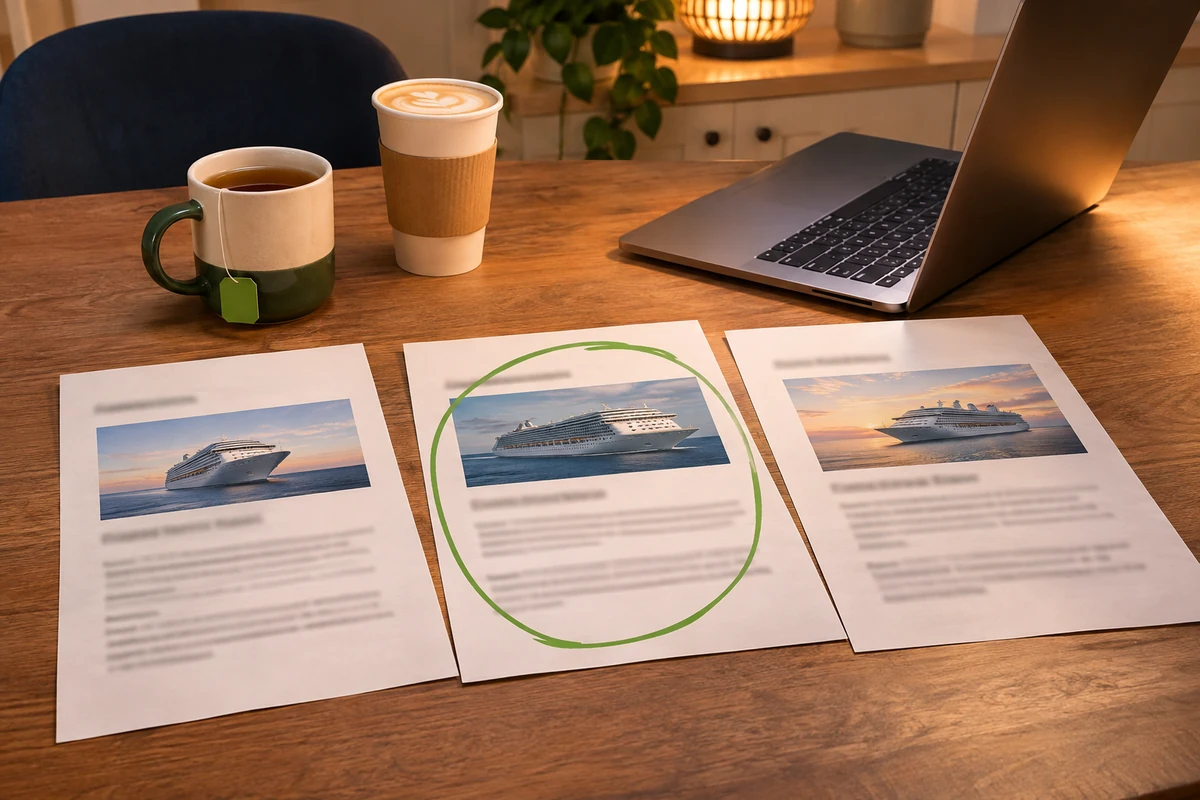
“60% off” vs the plain fare, line by line
Offer A and Offer B from the story: 2 adults, 7 nights, an inside cabin, about one drink a day each.
| What | A: 60% off guest 2 | B: plain fare + credit |
|---|---|---|
| Cruise faresBefore the deal | US$2,800 | US$1,980 |
| Taxes, fees and port chargesCharged per person | US$350 | US$350 |
| GratuitiesUS$18.50 a person a night | US$259 | US$259 |
| Drinks you’d buy anywayAbout 1 a day each, with the 18% charge | US$215 | US$215 |
| The deal’s real value60% off one fare / onboard credit | −US$840 | −US$200 |
| You’d pay, all in on board | US$2,784 | US$2,604 |
These are the same numbers as the decoder above, checked November 2026. In Canadian dollars that’s about CA$3,842 and CA$3,593. Flights and hotels are extra. Examples, not quotes.
A 5-step wave season game plan
From now until you sail. Tap a step.
Step 1Now (November): find your cruise and save its price
Pick the ship, week and cabin type you’d book anyway. Screenshot the fare per person. That screenshot is your truth test when the sale arrives.
Step 2Black Friday to early December: book refundable if it’s good
If the early offer beats your screenshot, book a refundable fare with a small deposit. You can still reprice later.
Step 3January: run every new offer through the decoder
Put each sale into the decoder above, with your screenshot as the pre-sale fare. Compare what you’d pay, all in, not the headline.
Step 4Before final payment: reprice
If the fare drops, or a better perk appears, ask for the new price or the difference as onboard credit. Non-refundable fares usually can’t do this.
Step 5After final payment: stop looking
Once it’s paid, enjoy it. Put your energy into excursions and packing instead.
When wave season 2027 deals appear
Based on how the big lines ran wave season in 2026. New 2027 offers start appearing from late November; we’ll update this page as they land.
Book the pieces
Found a real deal? Book your cruise in this order
The cruise first, on a refundable fare, then everything that gets you to the ship and fills the port days. Each button opens a partner site.
Step 1 · The cruise
Compare cruise fares and deals
See the same sailing across lines and agencies, with the wave season perks listed side by side.
Step 2 · Flights
Flights to the port city
Land the day before you sail. Miami, Fort Lauderdale, Orlando and Houston fill up fast in February.
Step 3 · The night before
A hotel near the port
Many port hotels include a shuttle to the terminal, and some let you park for the week.
Step 4 · Transfers
Airport to ship
A shared shuttle or private car from the airport straight to the terminal.
Step 5 · Port days
Shore excursions
Independent tours are often cheaper than the ship’s. Pick ones that guarantee you’re back before all-aboard.
Step 6 · Phone data
Travel eSIM
Ship Wi-Fi is expensive. An eSIM covers you in port; switch it off at sea to avoid marine roaming.
We may earn a commission if you book through these links, at no extra cost to you. Prices and availability are set by each partner.
Spend the savings wisely
Cruise packing essentials that save money on board
A real deal leaves money over. These 16 small things stop you spending it in the ship’s shop. Tap a group to jump to it.
Cabin hacks
Cruise cabins are small, metal-walled and short on outlets. These four fix most of that.
Swipe to see all 4 →
Cabin
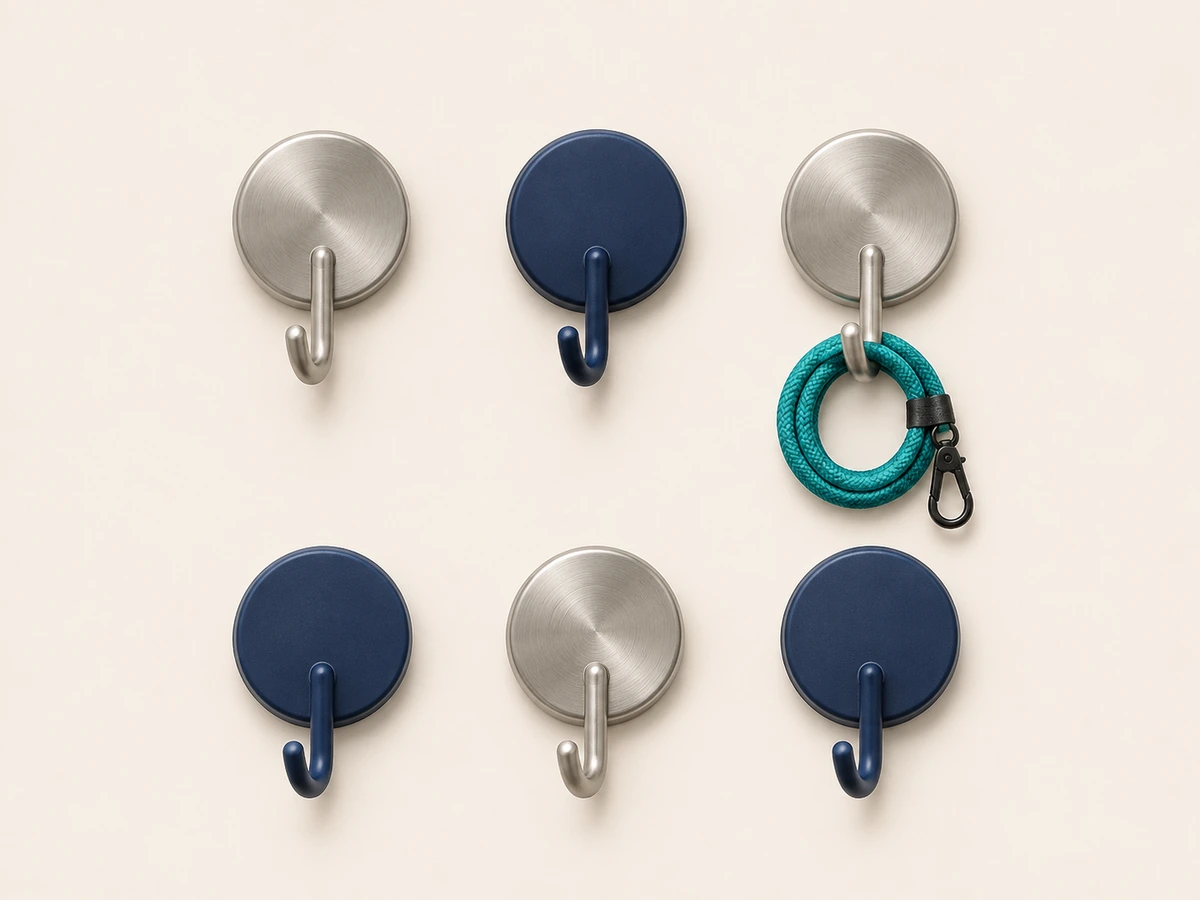
Magnetic hooks
Why you need it: Cabin walls are steel. Strong magnetic hooks hold hats, bags and lanyards, and you take them home after.
Cabin
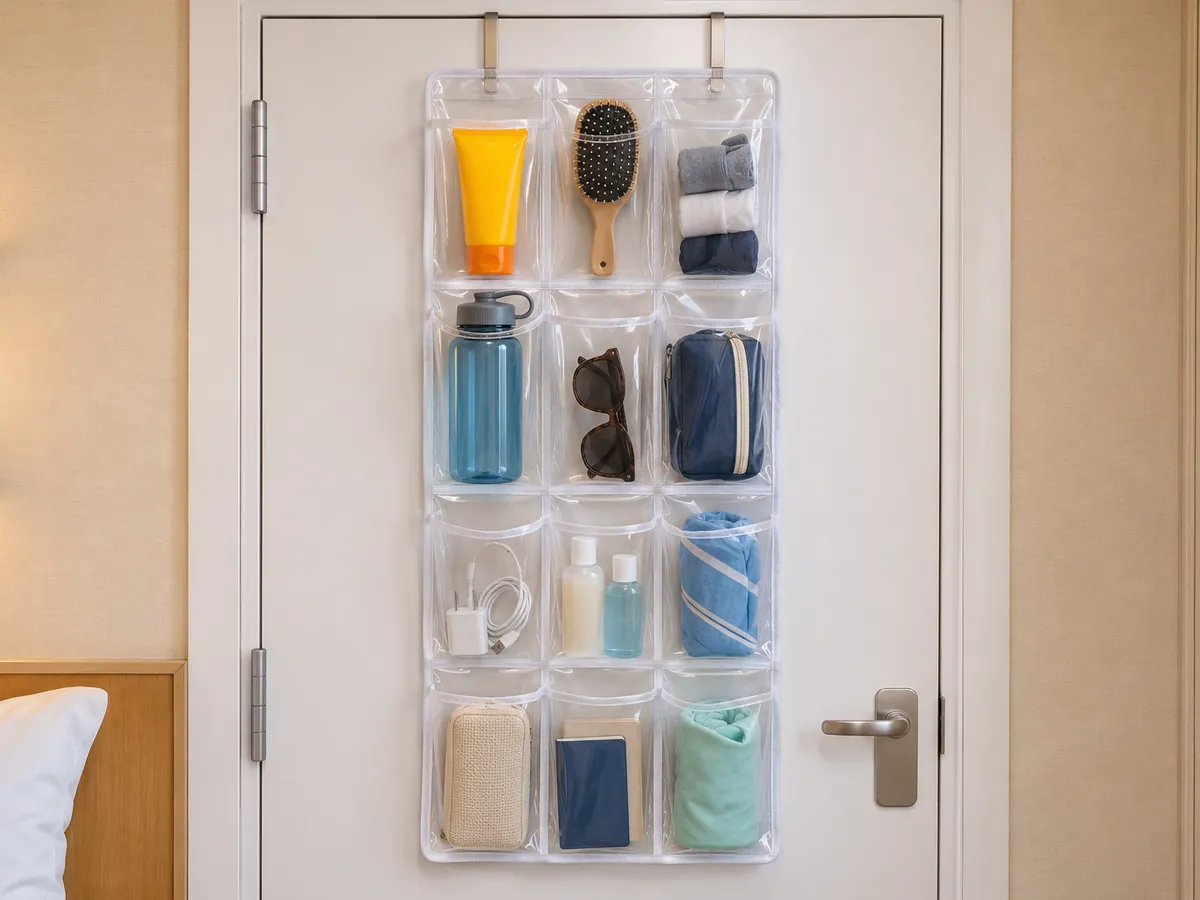
Over-the-door organizer
Why you need it: Turns the back of the bathroom door into shelves for sunscreen, chargers and toiletries.
Power
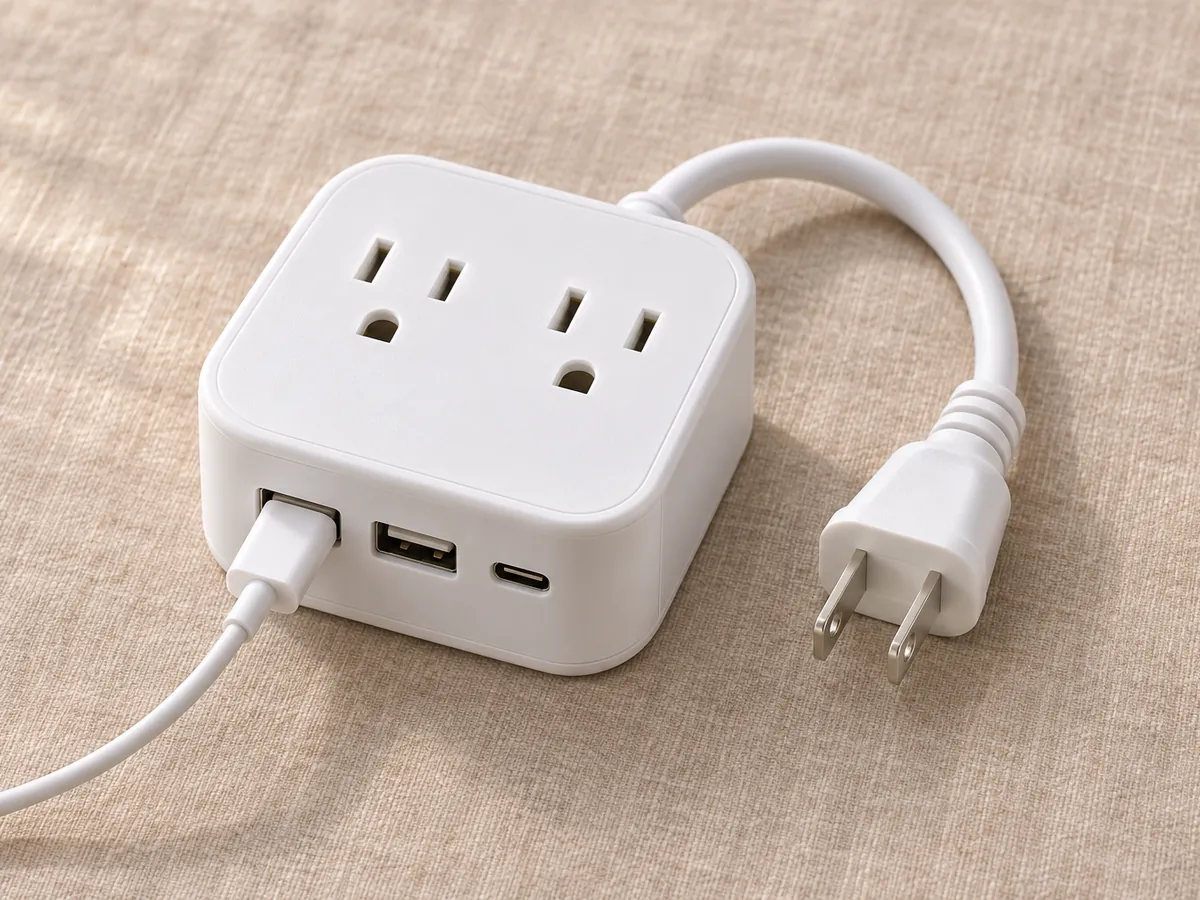
Non-surge USB outlet
Why you need it: Most cabins have one or two outlets. Cruise lines ban surge-protected power strips; a non-surge cube with USB ports is allowed.
Sleep
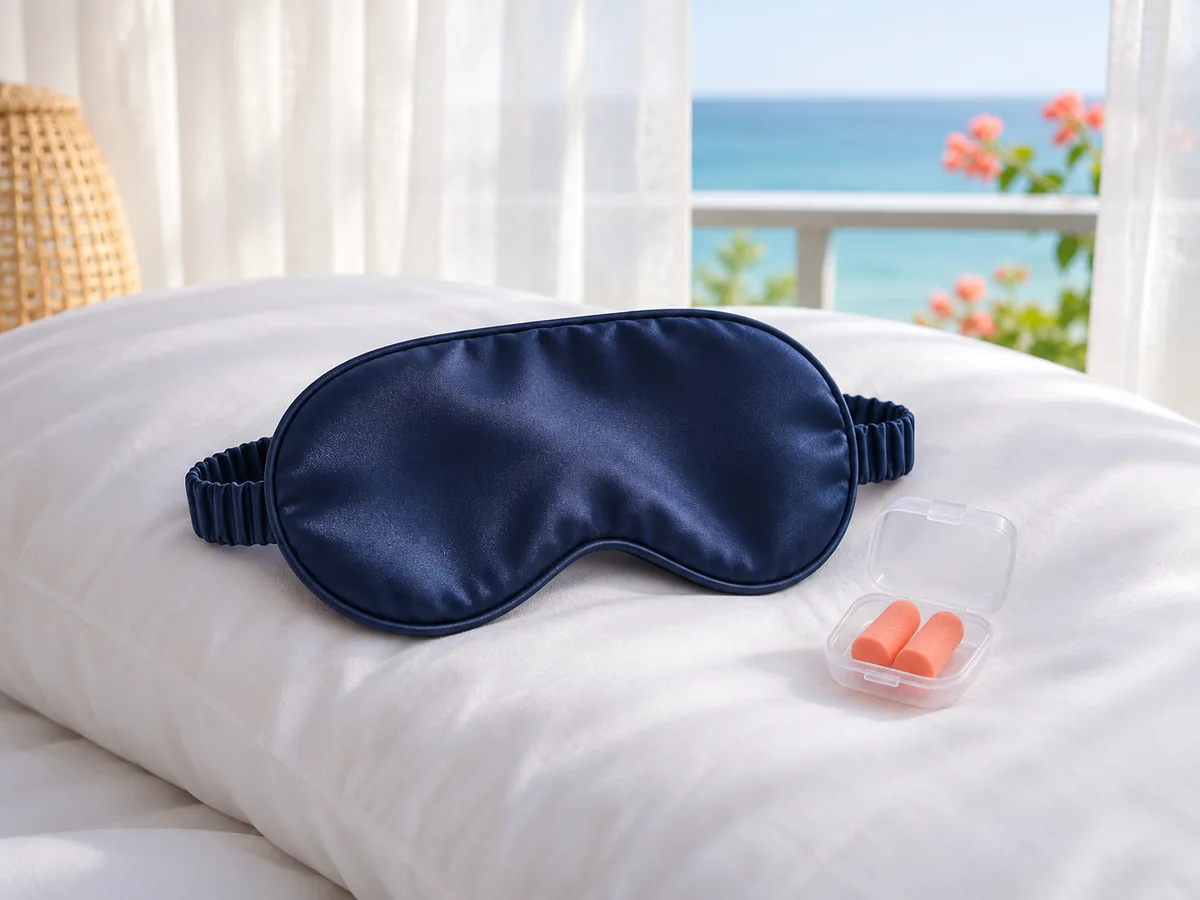
Sleep mask and earplugs
Why you need it: Inside cabins are dark, balconies are not, and the hallway never sleeps. Cheap insurance for a full night.
Embarkation day
The day most things go wrong: documents, bags and the long wait for your luggage.
Swipe to see all 4 →
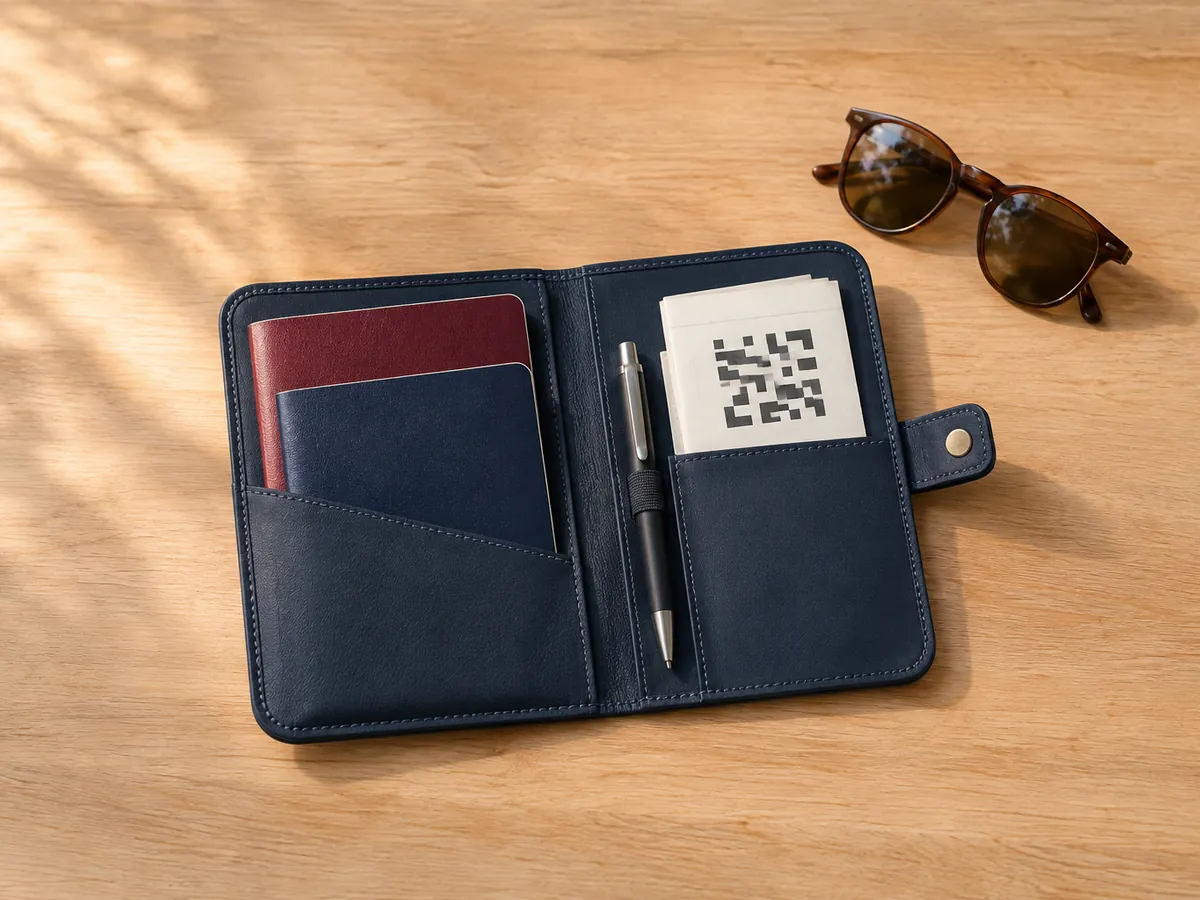
Documents
Travel document wallet
Why you need it: Passports, boarding passes and the cruise app printout in one place, so the terminal line takes minutes.
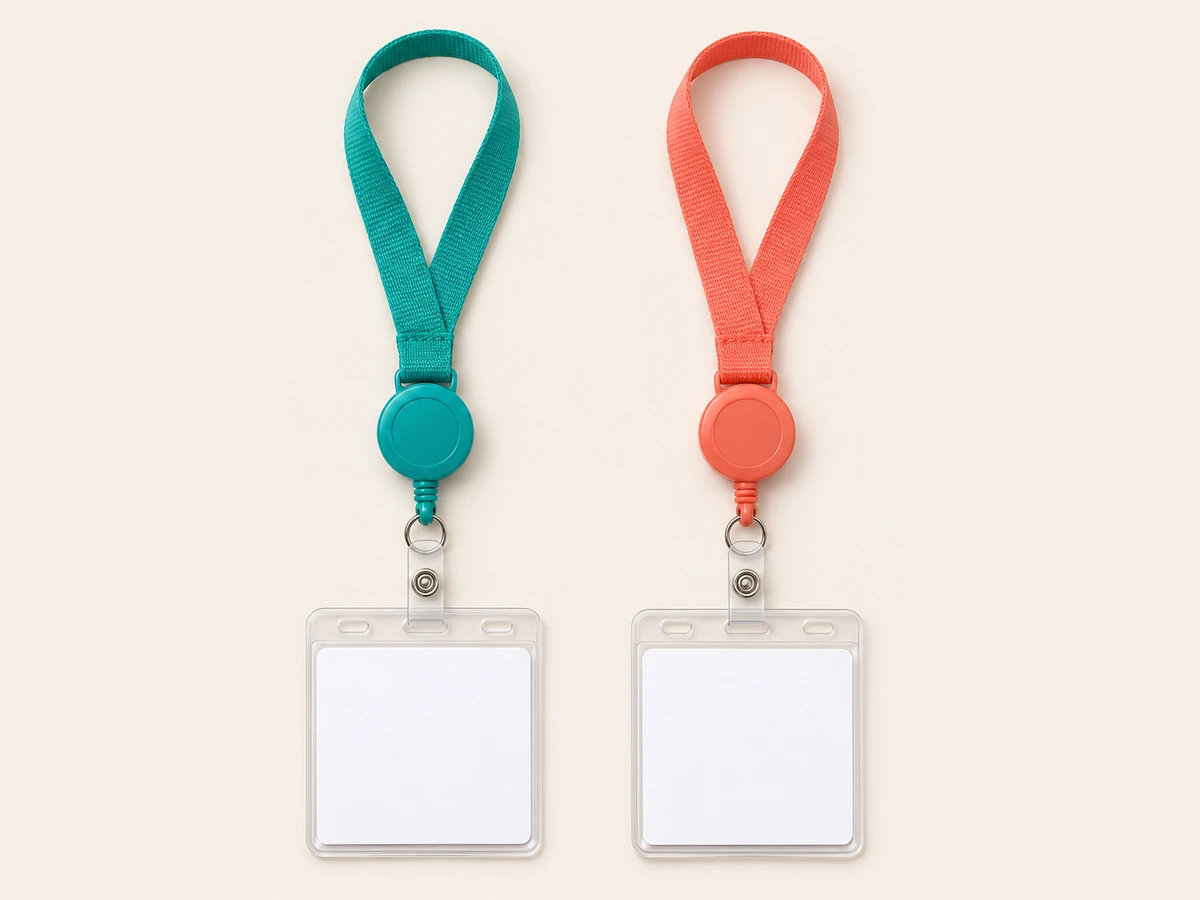
On board
Cruise card lanyard
Why you need it: Your cruise card opens your cabin and pays for everything. A lanyard keeps it on you at the pool.
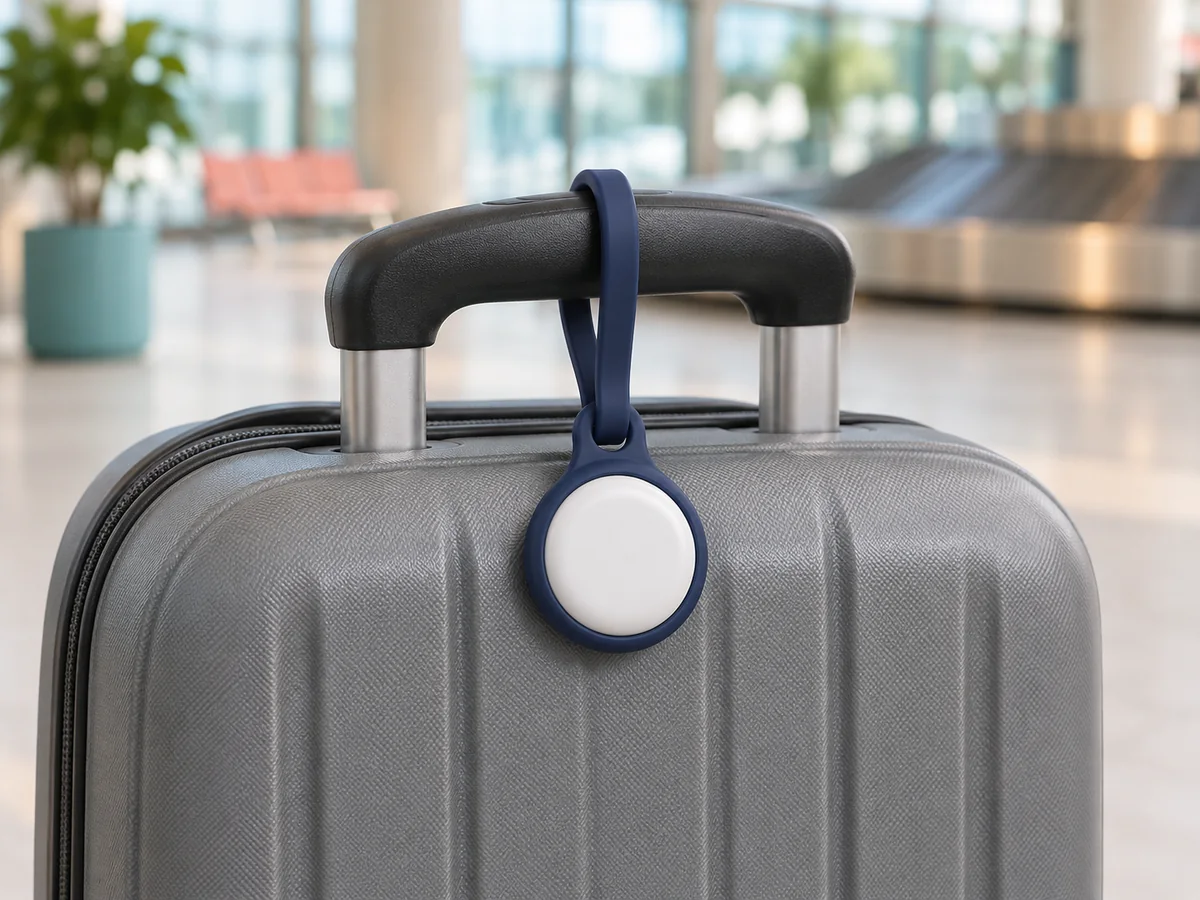
Bags
Luggage tracker
Why you need it: Bags can take hours to reach your cabin. A tracker tells you if yours made it on board.
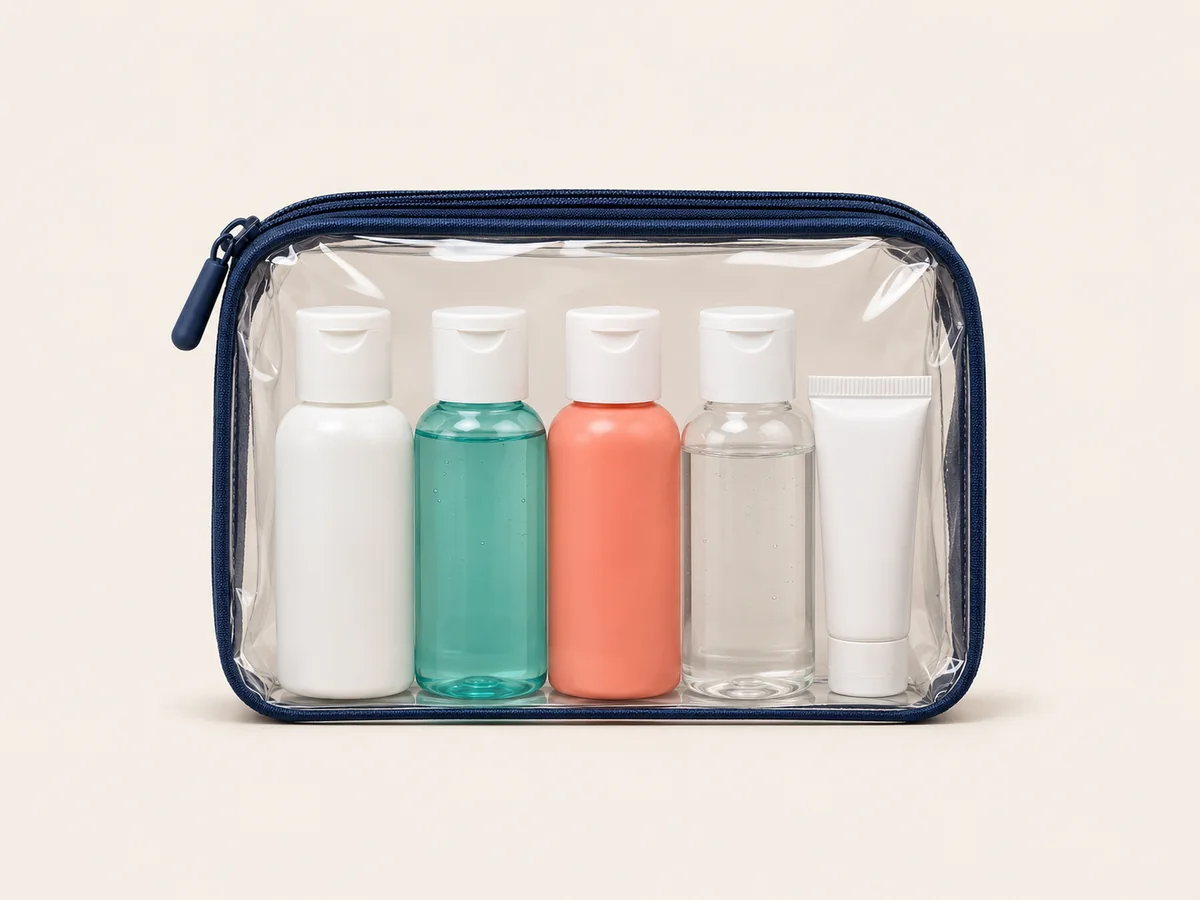
Carry-on
Clear toiletry bag
Why you need it: Pack a day-one bag with swimwear and meds: your suitcase may not arrive until dinner.
Port days
Beaches, boats and a long walk from the pier.
Swipe to see all 4 →
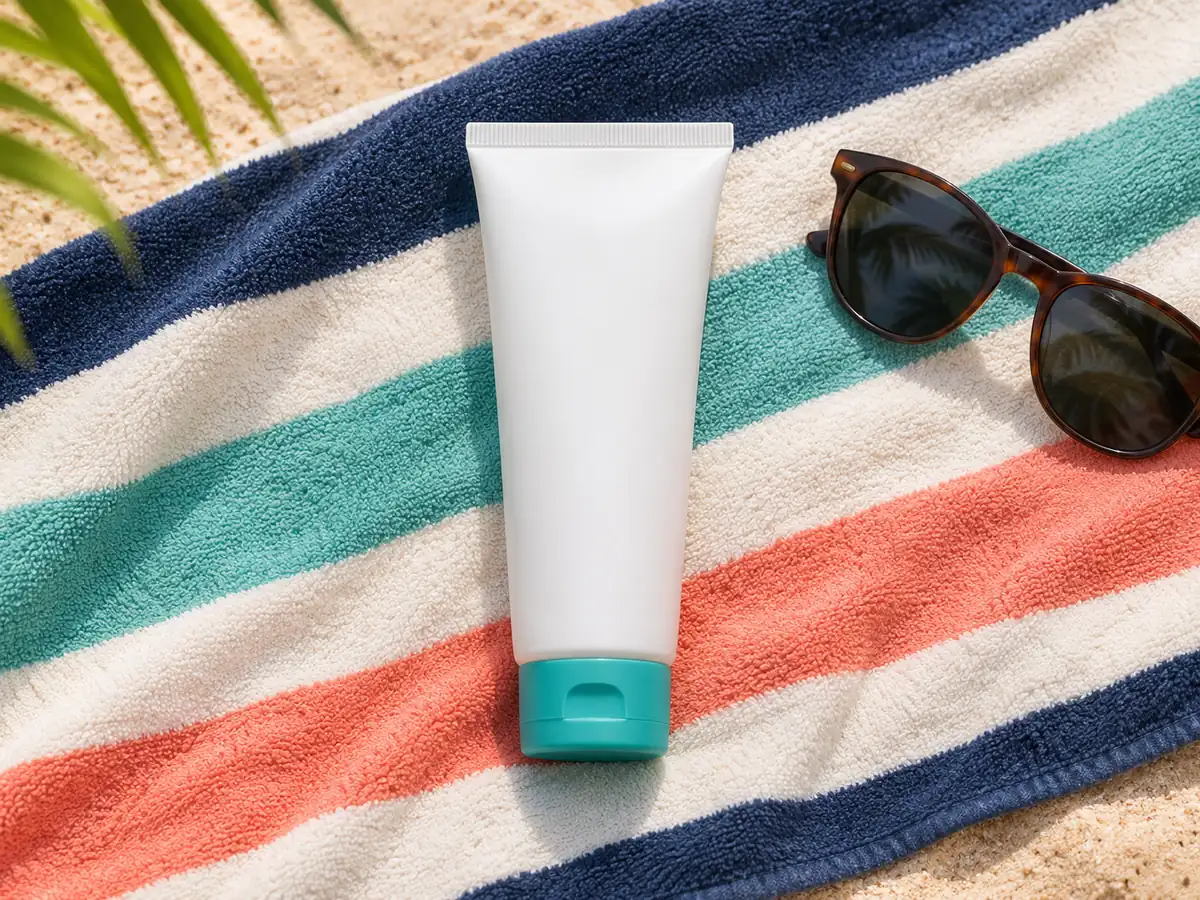
Sun
Reef-safe sunscreen
Why you need it: Several Caribbean and Mexican beach parks ask for reef-safe mineral sunscreen, and the ship shop charges double.
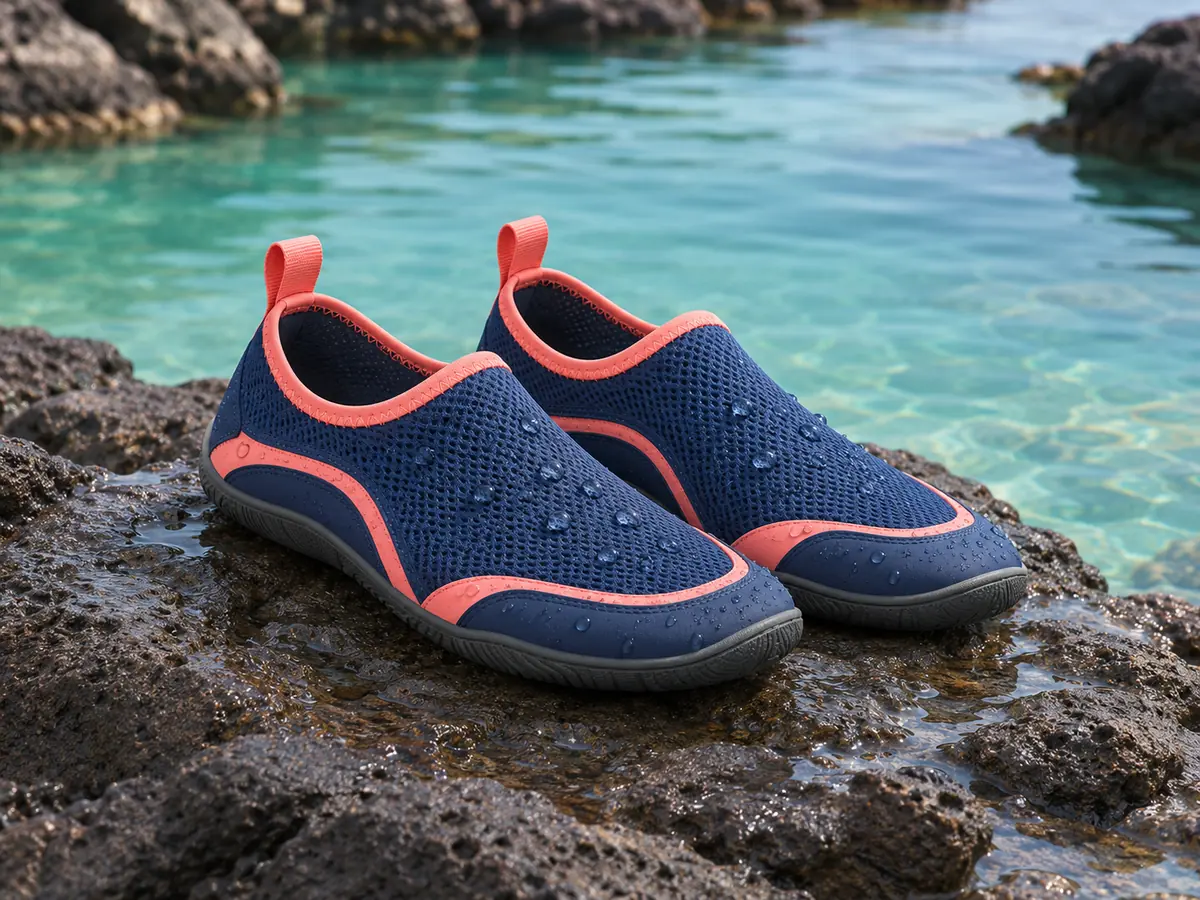
Feet
Water shoes
Why you need it: Rocky beaches, coral sand and slippery boat ladders. Light enough to pack, tough enough for a cave pool.
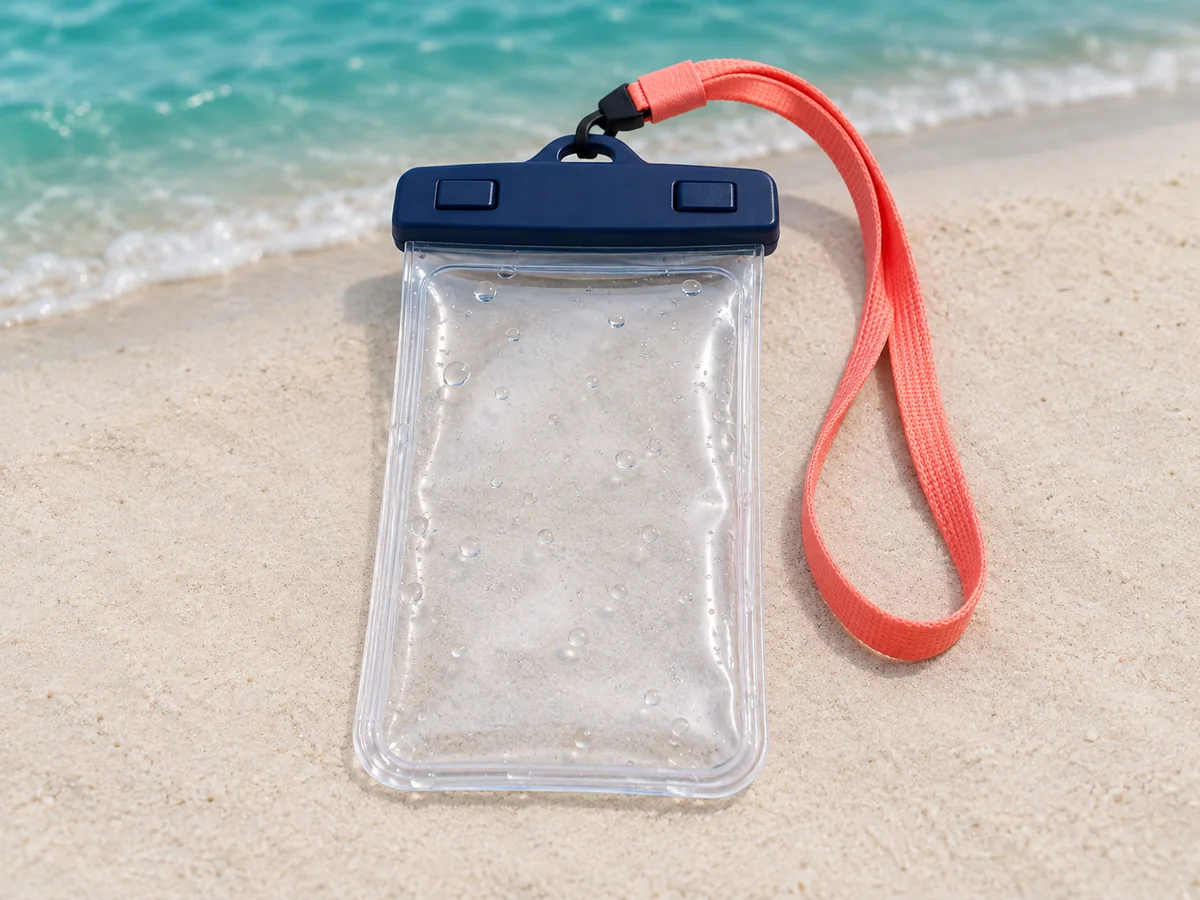
Water
Waterproof phone pouch
Why you need it: Snorkel trips, tender boats and beach clubs. Your phone stays dry and in reach.
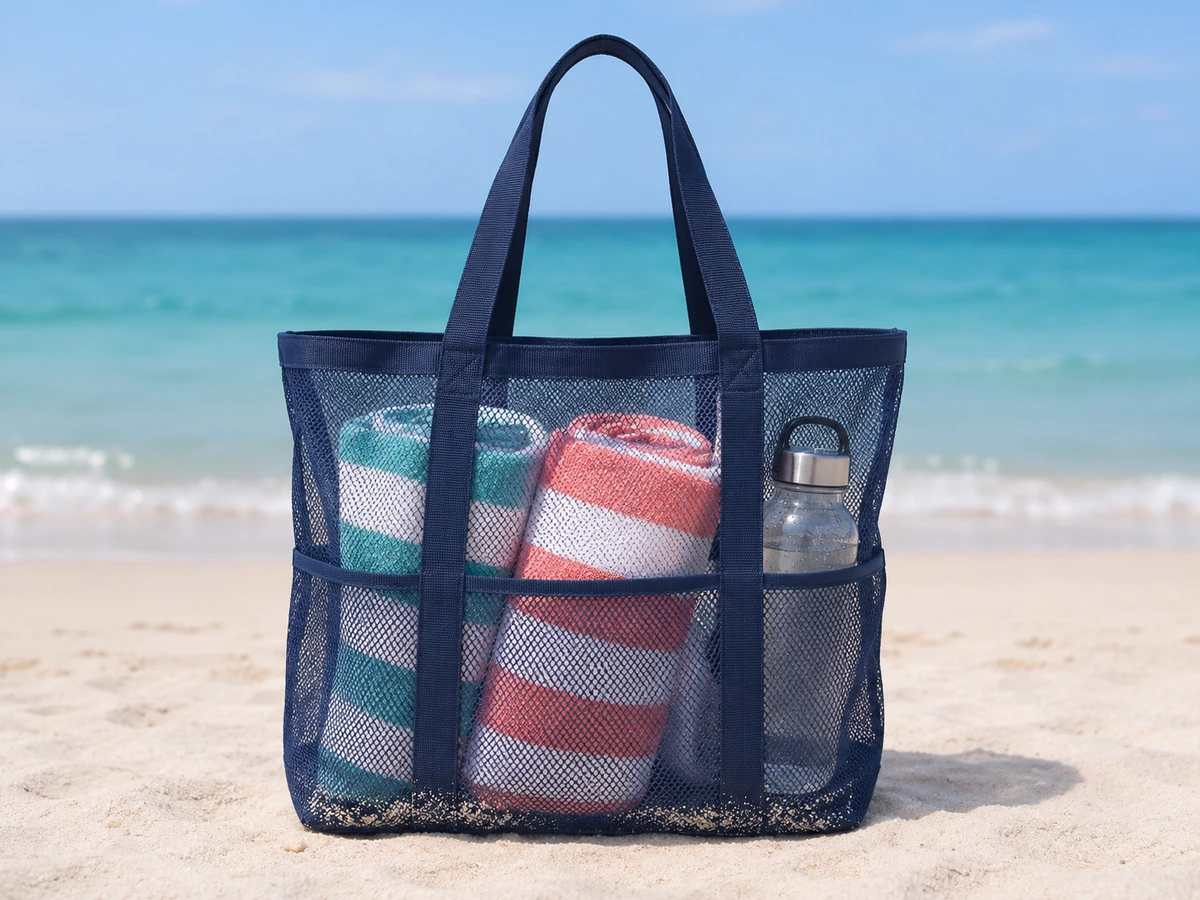
Beach
Mesh beach bag
Why you need it: Sand falls through, towels dry on the way back, and it folds flat in the suitcase.
Sea days and health
Rough water, sunny decks and a ship’s doctor who charges by credit card.
Swipe to see all 4 →
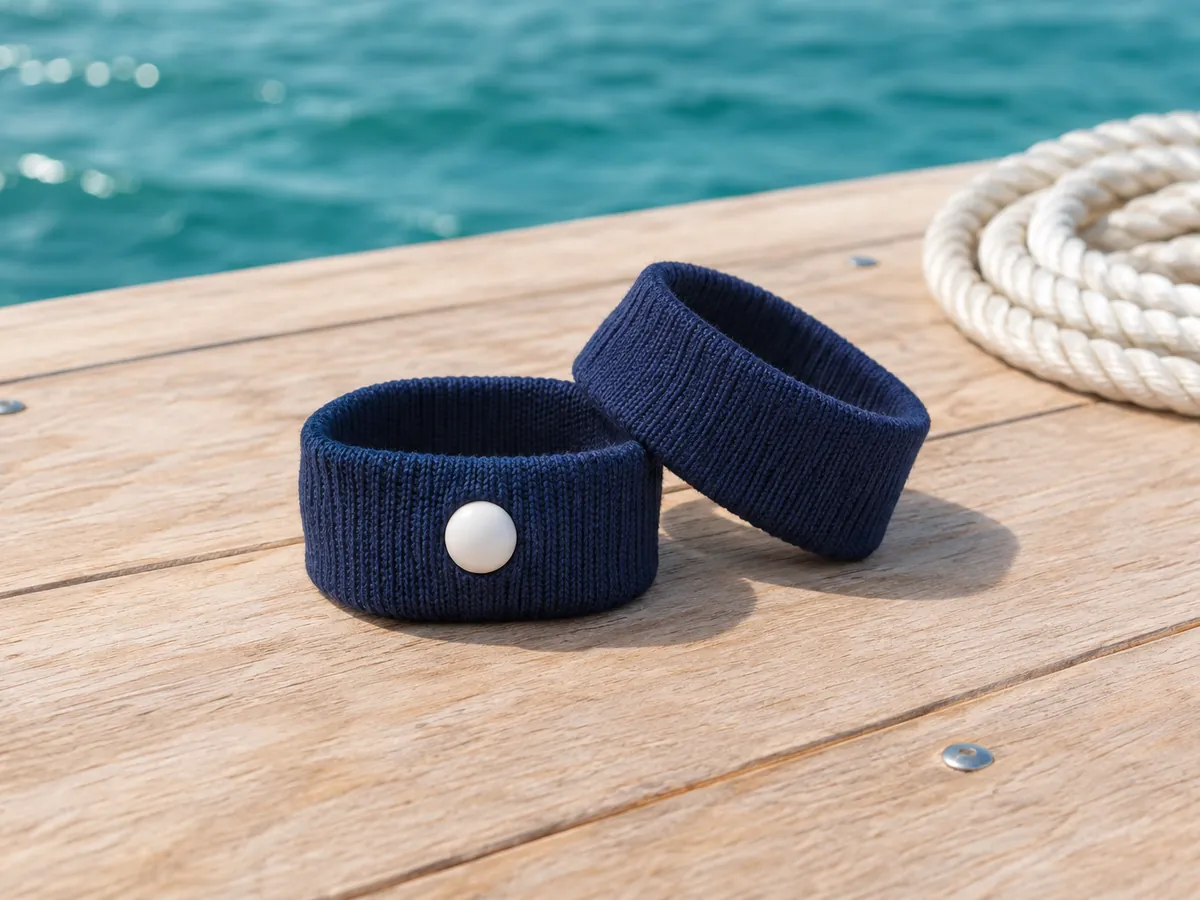
Health
Motion sickness bands
Why you need it: February crossings can roll. Drug-free bands help some people without making them sleepy.
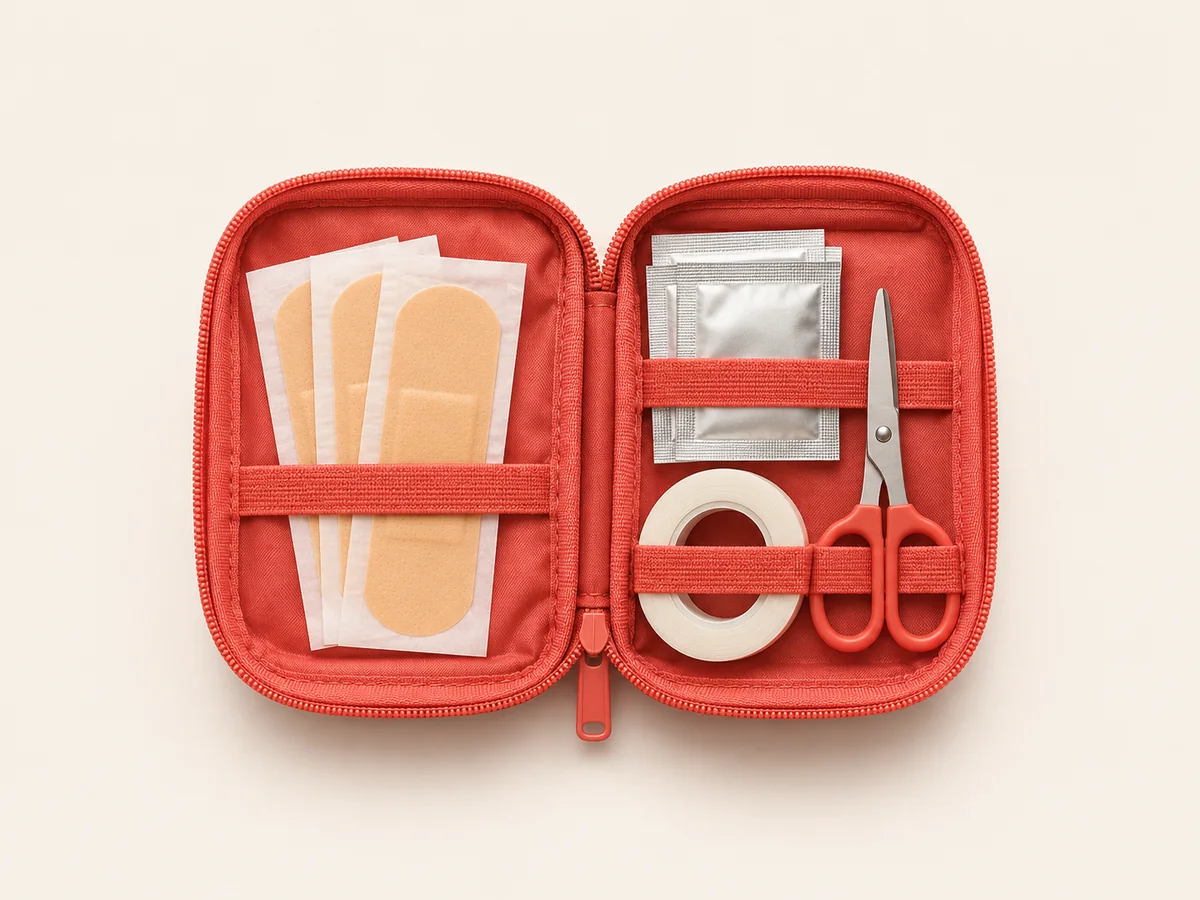
Health
Small travel first-aid kit
Why you need it: The medical centre charges for every visit. Plasters, pain relief and stomach tablets cover most small problems.
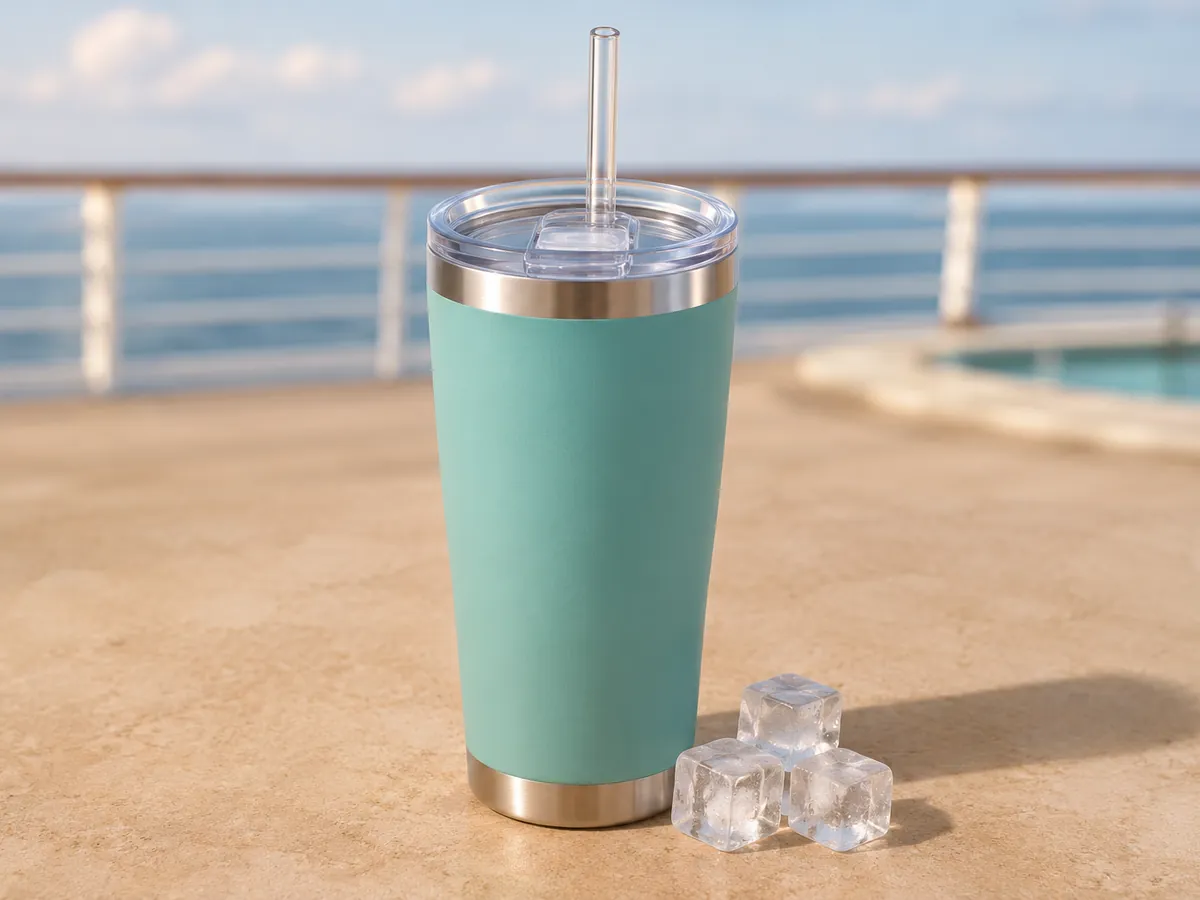
Drinks
Insulated tumbler
Why you need it: Keeps drinks cold on deck and holds more than the ship’s cups, whether or not you bought a package.
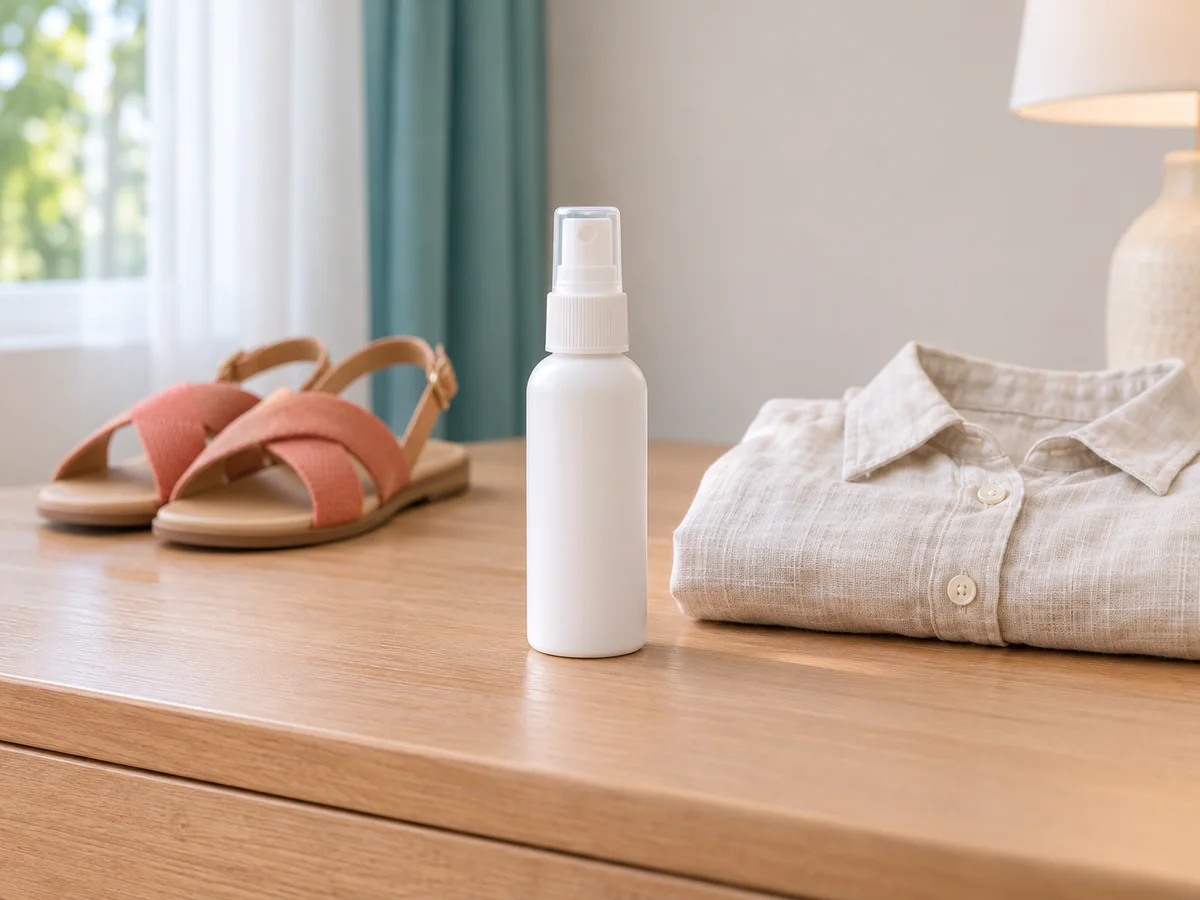
Clothes
Wrinkle release spray
Why you need it: Irons are banned in cabins. A quick spray fixes your formal-night outfit after a week in a suitcase.
We don’t list prices because they change daily. Links open an Amazon search, so you can pick the size and price that suit you. Check your cruise line’s banned-items list before you pack. As an Amazon Associate, Boundless Tides earns from qualifying purchases.
Refundable or non-refundable fare?
Refundable fare: you get
- ✓ A refund of everything but the deposit (sometimes the deposit too) before final payment
- ✓ The right to reprice if the fare drops before final payment
- ✓ Freedom to switch to a better wave season deal
- ✓ Peace of mind if work or school dates move
Non-refundable fare: you give up
- ✗ Your deposit (and often more) if you cancel
- ✗ Most chances to reprice when fares drop
- ✗ Flexibility to change ship, date or names without fees
- ✗ In return you get the bigger discount (e.g. 75% vs 50% off guest two)
Rules differ by line and fare, so read your booking terms. Travel insurance with cancellation cover protects you either way: book it when you pay the deposit.
Travel insurance
Cruise travel insurance: why wave season bookings need it early
Wave season means booking months ahead. Buy cover soon after your deposit: many policies only add pre-existing condition cover or “cancel for any reason” if you buy within about 14 to 21 days.
- Evacuation from the shipA medical evacuation from a ship or a small island can run into five figures. The ship’s doctor bills your cabin card.
- Missed the shipA late flight on sailing day means flying to the next port at your own cost. Missed connection cover pays for it.
- Months between booking and sailingWave season fares are booked 6 to 12 months out. Cancellation cover protects the deposit and the final payment.
- Bags that miss the shipIf your bag misses the flight, it misses the cruise. Baggage delay cover buys swimwear and clothes in port.
Compare many US plans
InsureMyTrip
Compare cancellation and travel medical plans from many US insurers. Filter for evacuation cover and adventure activities.
Compare US plansMedical only, any age
VisitorsCoverage
Travel medical plans for US residents going abroad, including plans for travellers over 65 to sit alongside Medicare.
Get a quoteCanadian insurer
TuGo
Travel medical, cancellation and all-in plans built for Canadians, with top-ups for trips longer than your card covers.
Get a TuGo quoteAdventure days
World Nomads
Good if snorkelling, diving or adventure excursions are part of the plan. Check that your activities are listed.
Get a quotePopular in Latin America
Assist Card
Travel assistance plans sold across Latin America, with emergency medical cover and a 24/7 help line in Spanish and Portuguese.
See plansMany nationalities
SafetyWing
Simple travel medical cover you can buy online from most countries. Check that it sells to residents of yours, and the limits.
Get a quoteMore detail: cruise travel insurance for Americans and Canadians. We may earn a commission if you buy through these links, at no extra cost to you. We don’t sell insurance or give insurance advice: read the policy wording.
US credit card options
US travel credit cards for booking a cruise
If you live in the US, start here. Canadian cards are just below. All four charge no foreign transaction fee in port.
Swipe to see all 4 →
US$95 a year
Chase Sapphire Preferred
- Trip cancellation
- US$10,000/person
- Trip delay
- US$500 after 12 h
- Emergency medical
- Not included
US$395 a year
Capital One Venture X
- Trip cancellation
- US$2,000/person
- Trip delay
- US$500 after 6 h
- Emergency medical
- Not included
US$795 a year
Chase Sapphire Reserve
- Trip cancellation
- US$10,000/person
- Trip delay
- US$500 after 6 h
- Evacuation
- Up to US$100,000
US$895 a year
American Express Platinum
- Trip cancellation
- US$10,000/trip
- Trip delay
- US$500 after 6 h
- Evacuation
- Global Assist
From the issuers’ published benefit summaries, November 2026. Most cover you only if you charge the trip to the card; terms apply. We may earn a commission if you apply through these links. This isn’t financial advice: compare the full terms and the interest rate.
Canadian credit card options
Canadian travel credit cards with travel medical cover
Unlike most US cards, these include emergency medical cover abroad, for a set number of days. A 7-night cruise plus a travel day fits all four. Scotiabank Passport also has no foreign transaction fee, which matters on a cruise charged in US dollars.
Swipe to see all 4 →
CA$150 a year
Scotiabank Passport Visa Infinite
- Travel medical
- 25 days (under 65)
- Trip cancellation
- Included
- Lounge passes
- 6 a year
CA$139 a year
TD Aeroplan Visa Infinite
- Travel medical
- 21 days (under 65)
- Trip cancellation
- Included
- Free checked bag
- On Air Canada
CA$120 a year
RBC Avion Visa Infinite
- Travel medical
- 15 days (under 65)
- Trip cancellation
- Included
- Points
- Avion
CA$150 a year
BMO Ascend World Elite
- Travel medical
- 21 days (under 65)
- Trip cancellation
- Included
- Lounge passes
- 4 a year
From the issuers’ published benefit summaries, November 2026. Day limits fall for older travellers and you may need to charge the trip to the card. We may earn a commission if you apply through these links. This isn’t financial advice.
Chapter 3 · Illustrative story, not a real trip
The deal that didn’t shout
There wasn’t a catch. There was a choice: refundable or not.
We booked Offer B on a refundable fare with a small deposit, which meant one thing: we could keep watching. I put a reminder in my phone for every Monday in January, peak wave season, and one more for the week before final payment.
Here’s how I hope it goes.
On the second Monday of January, the same cabin drops again. Zara phones the line on her break, apron still on, and asks, very politely, the way you’d ask a customer to move their bag off a chair, for the new price. They give her the difference as more onboard credit.
On February 14, my mother stands on a balcony somewhere in the Caribbean with a cup of tea, Valentine’s Day at sea with her daughter, practising for a river. Zara stands next to her with a coffee somebody else made. She says it’s the best coffee of her life. It probably isn’t. That’s not the point.
“The best deal,” says Mom, “was the one that didn’t shout.”
Zara takes a photo. Of course she does. She screenshots everything.
The best deal was the one that didn’t shout.Sophia, practising for a river

What is wave season for cruises?
Wave season is the stretch from about January to March when cruise lines run their biggest sales of the year: second-guest discounts, free kids, onboard credit, drinks packages and reduced deposits. It’s when more people book cruises than at any other time.
When is wave season 2027?
Mainly January to March 2027. Many lines start early, around Black Friday (November 27, 2026) and Cyber Monday, and many offers end on March 31. In 2026, the big lines launched their main offers in early January.
Are wave season cruise deals really deals?
Some are, some aren’t. Onboard credit and instant savings are real money. Kids-sail-free is real for families. A big percentage off can hide a fare that was raised first, and a free drinks package can cost more in service charges than you’d drink. Compare what you’d pay all in, not the headline.
Is 60% off the second guest a good deal?
It equals 30% off the cabin’s fares, before taxes, fees and gratuities. It’s a good deal only if the fare wasn’t raised first. Check what the same cabin cost a few weeks before the sale.
Do kids really sail free?
Their fare is free, but each child still pays taxes, fees and port charges, and daily gratuities. That’s often US$250 to US$300 per child for a 7-night Caribbean cruise.
Is a free drinks package worth it?
Only if you’d really drink a lot. You still pay the line’s 18 to 20% service charge on the package’s full price, for every adult, every day. Light drinkers can end up paying more than they’d spend on drinks.
How much are cruise gratuities in 2026?
Standard cabins, per person per night: Royal Caribbean US$18.50, Carnival US$17, Norwegian US$20, Celebrity US$19.50 (from July 29, 2026), Princess US$18, Holland America US$18, MSC about US$17 in the Caribbean. Suites cost more.
Should I book a non-refundable cruise fare to get a better deal?
Only if your plans are certain. Non-refundable fares are cheaper (Celebrity’s 2026 offer was 75% off the second guest non-refundable versus 50% refundable), but you usually can’t cancel for a refund or reprice if the fare drops.
Can I get the new price if my cruise gets cheaper after I book?
Often, yes, on a refundable fare before final payment. Many lines will reprice or give the difference as onboard credit. Ask the line or your agent. After final payment, or on a non-refundable fare, it’s much harder.
How old do you have to be to book a cruise?
On most big cruise lines, at least one person in each cabin must be 21 or older. Under-21s can sail if they share a cabin with someone who’s 21 or over, such as a parent.
Do Americans need a passport for a wave season Caribbean cruise?
Not always. On a closed-loop cruise that starts and ends at the same US port, US citizens can sail with an original birth certificate and a government photo ID. A passport book is still the safer choice: you need one to fly home from a foreign port if you miss the ship or need hospital care.
Do Canadians pay wave season cruise prices in US dollars?
Usually, yes. Fares, gratuities and onboard charges are in US dollars on most big lines, so the exchange rate and your card’s foreign transaction fee (often 2.5%) add to the cost. The decoder on this page shows Canadian dollars at about CA$1.38 per US dollar.
Do Latin American travellers need a US visa to take a Caribbean cruise?
If the cruise starts at a US port, yes: you need a valid US visitor visa, or ESTA if your passport qualifies (Chile is the only Latin American country in the Visa Waiver Program). Some sailings start in Panama, Colombia or Brazil instead.
When should I buy travel insurance for a wave season cruise?
Soon after you pay the deposit. Many policies only include pre-existing condition cover or cancel-for-any-reason upgrades if you buy within about 14 to 21 days of your first payment.
Plan the rest of your cruise
Our cruise guides use the same costs, so the numbers match from page to page.
Book the deal, not the headline
The free planner has a price-tracking sheet for your cruise (screenshot date, fare, offer, final payment date), plus the budget and packing list.
Free. No spam. Unsubscribe in one click.